
Project Overview
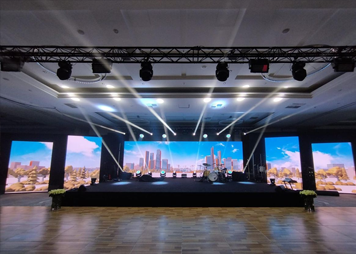
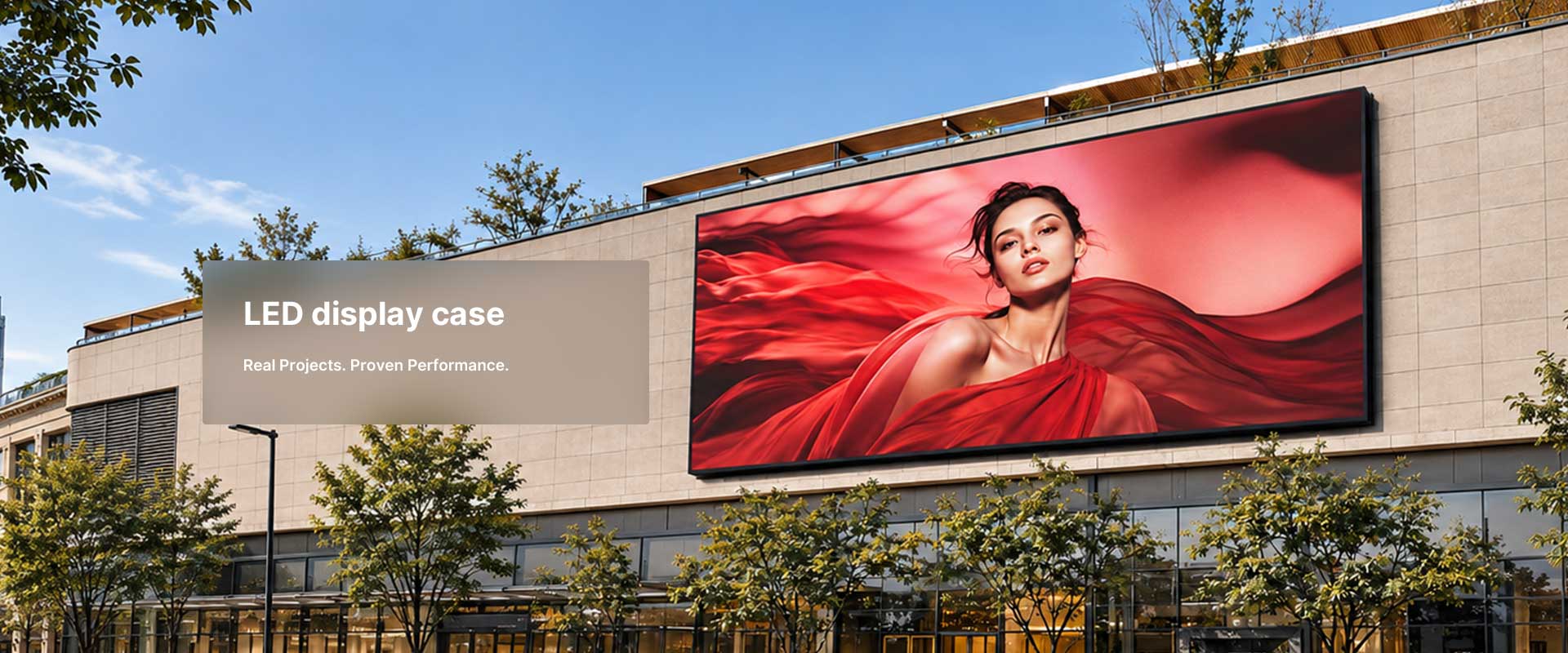
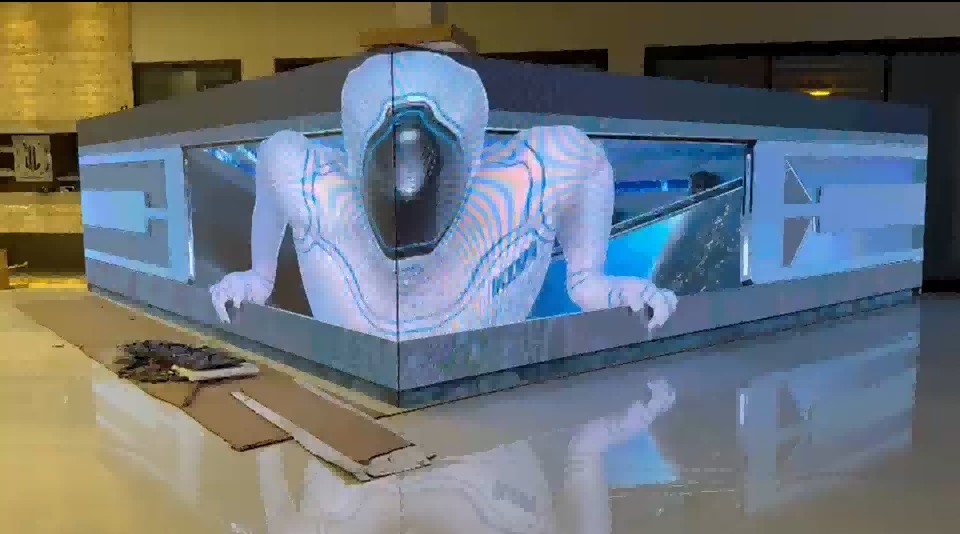
The Paraguay project features a rental LED display solution using a P2.604 pixel pitch and a 10 × 1.5 m screen. The project illustrates the practical value of a rental-oriented design: a large visual canvas that can be assembled, transported, installed, maintained, and redeployed with efficiency. For event organizers and rental companies, the display must do more than produce vivid images. It must also support repeated handling, fast deployment, flexible staging, reliable operation, and straightforward maintenance. The UHLED rental display is engineered around these requirements.
The completed display covered approximately 15 square meters. Its wide 10-meter format created a strong visual backdrop for event, stage, conference, and presentation environments. The P2.604 configuration was selected for this Paraguay application to provide a defined image surface within a professional rental format. The final viewing experience depends on the content, viewing distance, lighting conditions, and installation design specified for the venue.
A Rental Design Built for Repeated Use
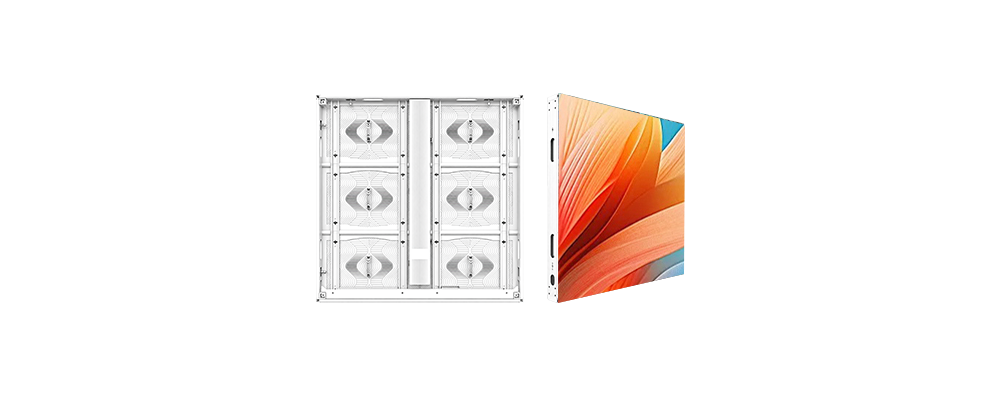
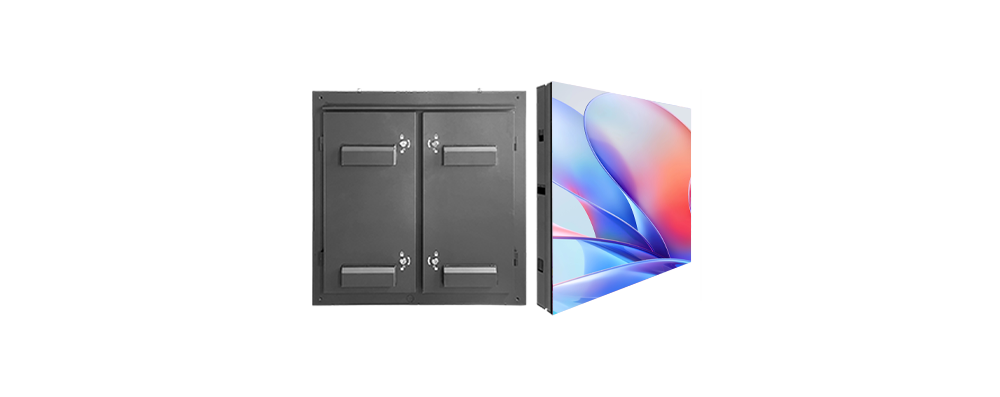
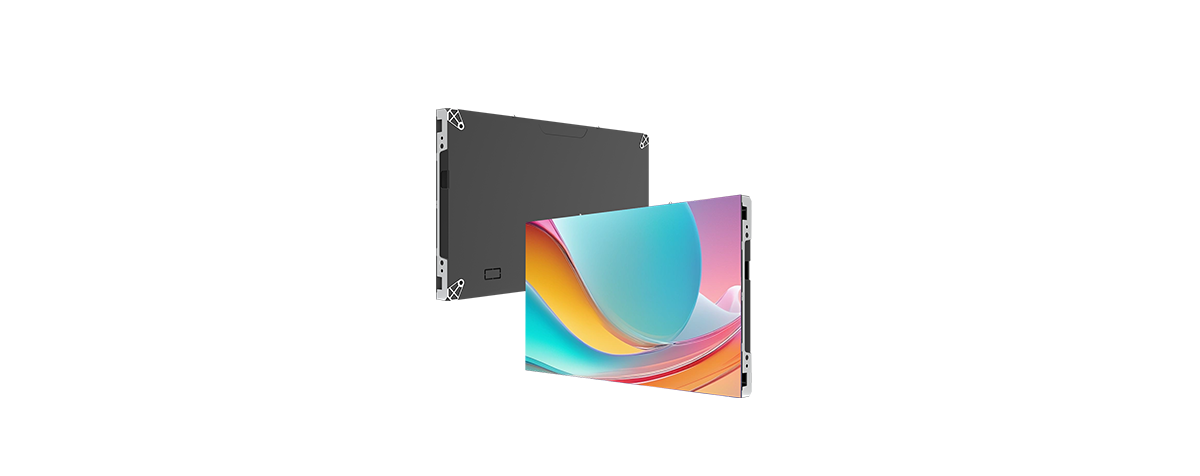
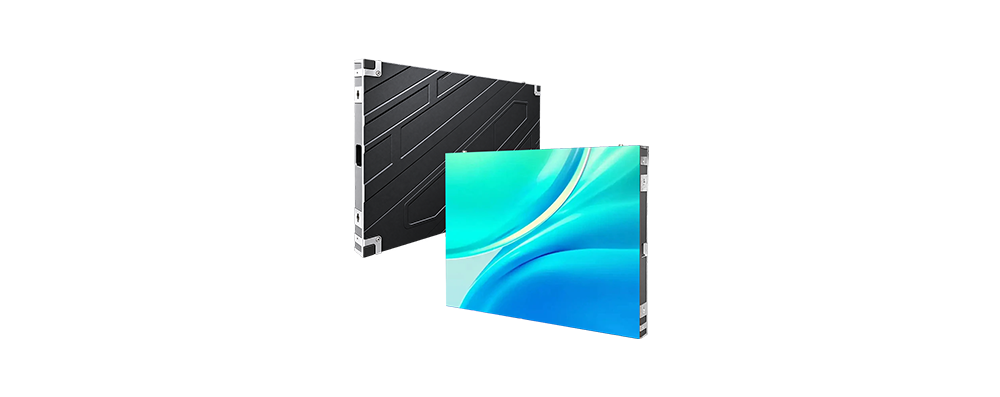
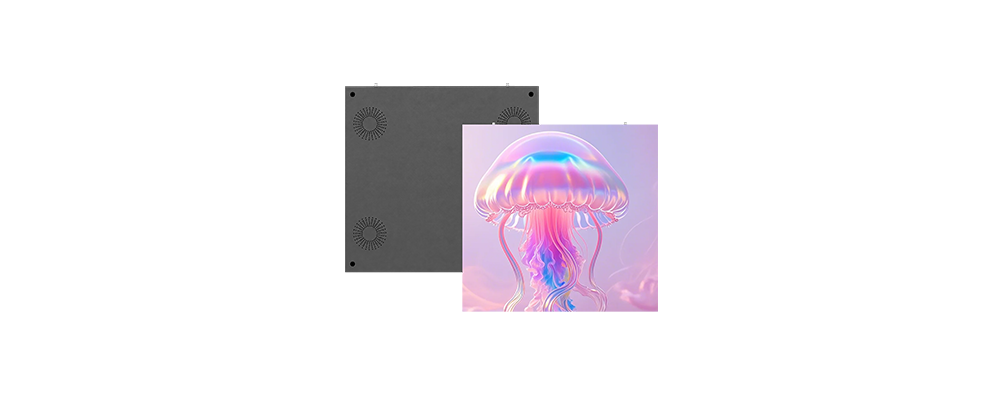
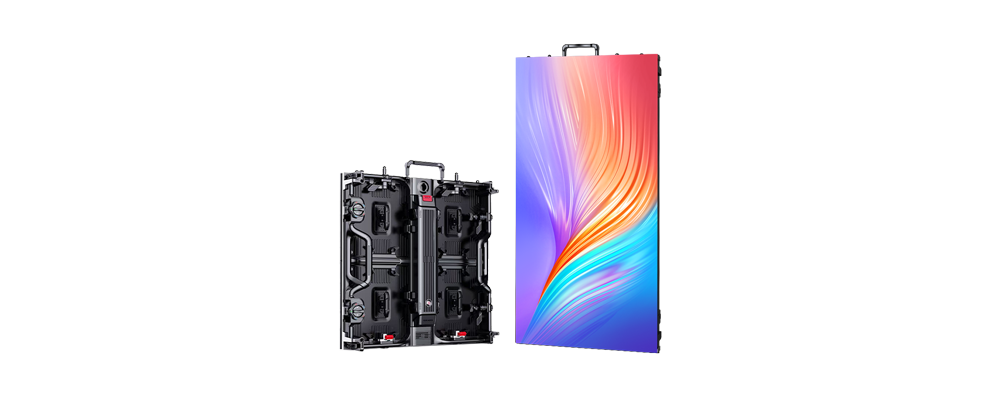
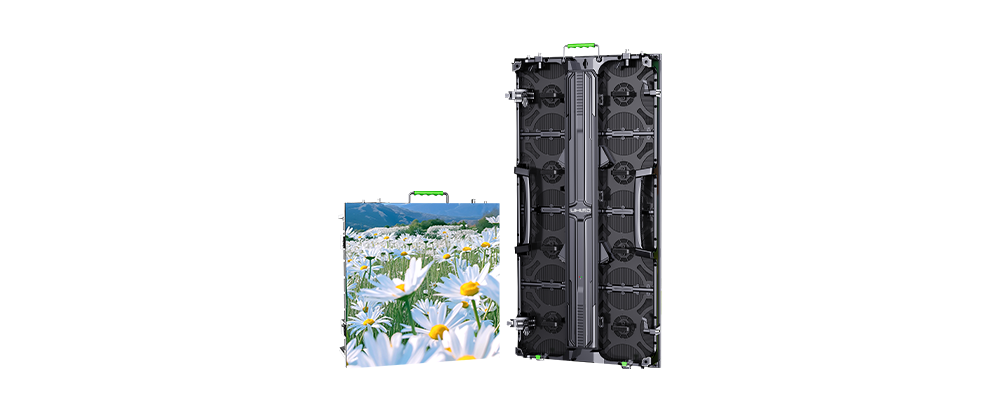
The display uses commonly available cabinet dimensions of 500 × 500 mm and 500 × 1,000 mm. This modular approach gives rental operators more freedom when building different screen proportions and stage layouts. The 500 × 500 mm cabinet is also shown in the product design as a compact building block, while the 500 × 1,000 mm option can accelerate the assembly of larger structures. For a 10 × 1.5 m project, this flexible cabinet system helps the installation team plan the display around the venue, stage, and supporting structure rather than being restricted to a single fixed format.
The cabinet incorporates handles, locating posts, cabinet locks, lock catches, and corner protectors. These details are important in a rental environment, where equipment may be assembled and dismantled many times. Handles assist with movement and positioning, locating posts help guide cabinet alignment, and locking components support a stable connection between adjacent cabinets. Corner protectors help reduce the risk of damage during transportation and handling. Together, these features support a more controlled workflow from preparation through installation.
Soft-Connection Architecture for Installation Flexibility
This rental series uses a soft-connection approach, with signal and power cables arranged between panels and connected through the cabinet system. The packing list includes main signal cables, main power cables, signal cables between panels, power cables between panels, connectors, screws, a video processor, and spare parts. A clearly organized cable and accessory system is valuable for rental operations because it helps crews prepare the required components before arriving at the venue and supports efficient troubleshooting during setup.
The cabinets can also be configured into curved displays with dedicated curved locks, which are purchased separately according to the project requirement. This option allows a rental company to create more than a flat rectangular wall. Curved configurations can improve sightlines, follow a stage design, or help create a more immersive visual environment. The ability to switch between flat and curved arrangements increases the reuse value of the same equipment across different events.
Lightweight Handling and Rear Maintenance
The cabinet is designed with a thickness of approximately 80 mm. According to the specification table, the 500 × 500 mm cabinet weighs approximately 7.5 kg, while the 500 × 1,000 mm cabinet weighs approximately 15 kg. These cabinet weights should be used as the reference values for project planning, production, transportation, and installation. The thin cabinet structure is designed to support easier handling and transportation planning in rental applications.
The product supports rear maintenance. The rear covers can be removed with an electric screwdriver, allowing technicians to access internal components when service is required. The cabinet interior includes the receiving card and power supply, with the system arranged for practical access from the back. Rear maintenance is particularly suitable for stage structures and fixed temporary frames where technicians can reserve service space behind the display. It also helps the team separate front-facing visual work from rear-side technical work during an event build.
For the Paraguay installation, the 10 × 1.5 m P2.604 screen created a wide-format LED display surface for event, stage, conference, and presentation environments. The combination of a modular cabinet platform, soft connections, lightweight construction, curved-display capability, and rear maintenance gives the project team a practical balance between visual presentation and rental usability. The display can be configured for scheduled event graphics, presentations, stage backgrounds, and other content within a professional staging workflow.
The project also reflects the value of matching product engineering with the real conditions of event production. A rental display must be ready for more than one installation. Its cabinets, locks, protectors, cables, accessories, test process, and packing method all contribute to the total operating experience. By combining these details with manufacturing controls and project-oriented support, UHLED provides a display platform designed for repeated professional use.
Live production schedules are often tightly managed. A screen may arrive at a venue together with lighting, sound, staging, truss, and other technical equipment, leaving a limited installation window before rehearsal or show time. In this environment, the value of a rental LED display is measured not only by its image quality, but also by how predictably the crew can move from case opening to cabinet alignment, cable connection, system testing, and content playback. The rental LED display structure supports this sequence with identifiable cabinet components, practical handling points, organized accessories, and a configuration that can be adapted to the available stage footprint.
The P2.604 screen can serve as a visual communication surface throughout an event, including event graphics, presentations, stage backgrounds, and other scheduled content. Because the screen is built from reusable cabinets, the same rental inventory can be planned for different widths and heights in later projects. This is particularly useful for event suppliers that need to balance visual presentation with equipment utilization across a calendar of shows.
The product images also show a finished display tested from both the front and rear, as well as protective transport cases prepared for delivery. These details connect the engineering design with the practical responsibilities of a rental operator: protect the modules during transit, keep cables and spare parts organized, confirm the system before dispatch, and preserve a repeatable installation method. A disciplined workflow helps the production team prepare the equipment with greater consistency before it reaches the venue.
Long-Term Value and Project Support
At the company level, UHLED states that its indoor fine-pitch LED displays offer a rated LED lifespan of at least 100,000 hours and a 5-year warranty. These figures are part of the company introduction and should not be treated as project-specific P2.604 rental-screen parameters unless confirmed in the final project specification. For international projects, UHLED follows a coordinated support model that begins with specification review and pre-sales solution design, continues through production and delivery, and includes remote technical assistance after installation. When a project requires additional on-site coordination, service arrangements can be discussed according to the installation conditions and specific project needs.
P2.604 Performance for a 10 × 1.5 m Screen
The Paraguay project used a P2.604 pixel pitch. The product specification identifies a 250 × 250 mm module, a 96 × 96-dot module resolution, and a pixel density of approximately 147,475 dots per square meter for this configuration. The module presentation lists 600 cd/m² indoor brightness and 4,000 cd/m² outdoor brightness, while the specification table presents a 600–4,000 cd/m² range for the relevant configurations. The final brightness selection should be confirmed according to the project application and installation conditions.
The P2.604 version is listed for indoor and outdoor applications in the product specifications. It supports a refresh rate of at least 3,840 Hz, 14–16-bit grayscale, and a viewing angle of H140°/V120°. These specifications define the display configuration for professional project planning. The final brightness, cabinet arrangement, content system, and installation conditions should be confirmed according to the specific venue and application.
Quality Control from Factory to Project Delivery
For UHLED, a rental display is part of a complete project workflow rather than an isolated hardware shipment. Shenzhen Uhled Technology Co., Ltd. is a technology-driven LED display manufacturer based in a 5,000-square-meter facility. The company provides precision LED display manufacturing and complete project support for global customers. Its specification-first approach means key engineering parameters are reviewed before production so that the product configuration can be aligned with the intended application. The company introduction also describes UHLED as a manufacturer serving indoor and outdoor LED HD displays, rental screens, shelf screens, LED posters, transparent screens, irregular screens, and other application displays.
UHLED quality control covers SMT production, cabinet assembly, module aging, and final inspection. UHLED’s production-line presentation includes Panasonic MSR equipment with an average capacity of 45,000 lamp beads per hour and Samsung S2 equipment with an average capacity of 80,000 beads per hour. The same presentation also shows automatic solder-paste printing, reflow soldering, automatic screw fastening, and conformal coating as manufacturing processes. These controlled procedures support consistent production; they are presented as UHLED factory capabilities rather than as equipment dedicated exclusively to this Paraguay rental project.
The product presentation includes an aging-test section showing front and rear views of an assembled display. It also shows protective transport cases, cables, connectors, a video processor, and spare parts prepared for delivery. These materials document the product’s testing and packaging workflow without specifying every individual test item or claiming a project-specific inspection result. For a rental display, organized delivery preparation is an important part of moving the equipment from the factory to the installation site.
The Paraguay project demonstrates how a professional rental LED display can bring together visual scale, modular construction, flexible connectivity, and practical service access in one coordinated solution. The installation uses a P2.604 pixel pitch and a 10 × 1.5 m screen format, creating an approximately 15-square-meter display surface for event, stage, conference, and presentation environments. Rather than treating the screen as a fixed visual wall, the project shows the value of a system designed to move through a complete operating cycle: preparation, transport, assembly, testing, live use, maintenance, packing, and future redeployment.
The cabinet platform supports this cycle with 500 × 500 mm and 500 × 1,000 mm options, handles, locating posts, cabinet locks, lock catches, and corner protectors. The soft-connection structure uses separate signal and power cables between panels, while the packing list includes the video processor, connectors, screws, spare parts, and the necessary cable groups. These details give project teams a clear basis for organizing equipment before installation and for maintaining a consistent workflow when the display is used at another venue. Where the project design calls for a curved screen, curved locks can be purchased separately to support a customized arrangement.
The technical configuration also provides a defined reference for project planning. For P2.604, the product information identifies a 250 × 250 mm module, 96 × 96-dot module resolution, and approximately 147,475 dots per square meter. The presentation lists 600 cd/m² indoor brightness and 4,000 cd/m² outdoor brightness, while the specification table presents a 600–4,000 cd/m² range for the relevant configurations. The display is listed for indoor and outdoor applications and supports at least a 3,840 Hz refresh rate, 14–16-bit grayscale, and H140°/V120° viewing angles. Final brightness, cabinet arrangement, support structure, content system, and installation conditions should be confirmed against the actual venue before production.
The case also places the product within UHLED’s broader manufacturing and project-support capability. The company operates from a 5,000-square-meter facility and follows a specification-first approach, with quality control covering SMT production, cabinet assembly, module aging, and final inspection. Its production-line presentation includes Panasonic MSR and Samsung S2 placement equipment, together with automatic solder-paste printing, reflow soldering, automatic screw fastening, and conformal coating. The product materials further show an aging-test section, protective transport cases, organized cables, connectors, a video processor, and spare parts prepared for delivery. These references describe the company’s manufacturing and delivery workflow; they are not presented as project-specific test results beyond the supplied case information.
For event organizers, staging companies, and rental operators, the value of this display lies in the balance between presentation and usability. A successful rental project is not defined by pixel pitch alone. It depends on matching the selected configuration to the viewing distance, lighting conditions, stage layout, connection method, maintenance access, transport plan, content requirements, and service expectations. UHLED’s engineering process provides a structured starting point for that discussion, while the final project specification confirms the details that matter at the installation site.
At the company level, UHLED states that its indoor fine-pitch LED displays offer a rated LED lifespan of at least 100,000 hours and a 5-year warranty. These figures should be confirmed for applicability to the final rental-screen specification. For international customers, UHLED can support the project through specification review, pre-sales solution design, production coordination, delivery preparation, and remote technical assistance after installation. If additional on-site coordination is required, service arrangements can be discussed according to the installation conditions and project needs. With the Paraguay case as a reference, UHLED presents a practical path for developing adaptable rental LED display solutions for professional events in Paraguay and other international markets.
Explore More Rental LED Projects

UHLED RENTAL LED DISPLAY CASE STUDY
View Case Study ↗
UHLED Rental Soft Connection LED Display Powers Diverse Indoor Events in Albania
View Case Study ↗
UHLED Outdoor Rental LED Display Powers Dynamic Events in Peru
View Case Study ↗
North America Indoor Stage Rental Ace: 4×2m P3.91 LED Screen, Amplify Show Impact
View Case Study ↗
Europe Indoor Stage Rental Star: 6×3m P1.5 LED Screen, Elevate Performance Visuals
View Case Study ↗
An 8×3 meter P3.91mm rental LED video wall enhances the conference experience at a top US hotel.
View Case Study ↗
P3.91 Rental LED Display Enhances Event Experience at Romanian Hotel
View Case Study ↗