
-
LED-Anzeige im Freien
LED-Anzeige im Freien
-
Indoor LED-Anzeige
Indoor LED-Anzeige
-
LED-Anzeige mieten
LED-Anzeige mieten
-
LED-Anzeige
LED-Anzeige
-
Poster LED-Anzeige
Poster LED-Anzeige
-
CUBE LED-Anzeige
CUBE LED-Anzeige
-
FLEXIBLER LED-FILM
FLEXIBLER LED-FILM
- Transparente LED-Anzeige










Installations- und Strukturüberlegungen für großflächige, fest installierte LED-Außenbeleuchtungsprojekte
Warum ist die Installationsplanung bei fest installierten LED-Außenbeleuchtungsprojekten wichtig?
Ein großer LED-Bildschirm im Außenbereich ist nicht wie ein Plakat, das man morgen noch versetzen kann. Sobald er an einer Hauswand, neben einer Straße oder über einem Platz angebracht ist, wird jeder Fehler teuer. Gute Planung schützt Ihr Budget, Ihren Zeitplan und, was noch wichtiger ist, die öffentliche Sicherheit. großflächige, fest installierte LED-AußenprojekteDie eigentliche Arbeit beginnt schon, bevor die Leinwand vor Ort eintrifft.
Die Projektplanung für fest installierte LED-Displays beginnt vor dem Kauf.
Sie müssen zunächst Wand, Dach, Fundament, Betrachtungswinkel, Wartungsfläche, Kabelverlauf und örtliche Vorschriften prüfen. Ein Bildschirm, der starker Nachmittagssonne ausgesetzt ist, benötigt möglicherweise eine höhere Helligkeit und einen besseren Wärmeschutz. Ein Bildschirm am Straßenrand benötigt unter Umständen einen stabileren Rahmen, da er den ganzen Tag Wind ausgesetzt ist. Ein Bildschirm auf einem Platz muss möglicherweise einen sicheren Zugang für Reparaturtrupps gewährleisten und nicht nur eine ansprechende Frontansicht bieten.
Hier zahlt sich die sorgfältige Planung von Festinstallationsprojekten für LED-Displays aus und spart spätere Probleme. Sie hilft dabei, Bildschirmgröße, Pixelabstand, Gehäusetyp, Stahlrahmen und Stromversorgung optimal an die Gegebenheiten vor Ort anzupassen.
Worauf sollten Sie bei der Konstruktion von LED-Außenbildschirmen achten?
Die Konstruktion von LED-Außenbildschirmen trägt mehr als nur den Bildschirm selbst. Sie trägt das Gewicht des Gehäuses, des Stahlrahmens, der Kabel, des Winddrucks und muss Wartungsarbeiten durchführen. Manchmal stellt die Windlast das Hauptrisiko für LED-Außenbildschirme dar, insbesondere bei hohen Mauern, Dächern, Autobahnschildern und freistehenden Werbetafeln.
Strukturelle Auslegung und Lastsicherheit von LED-Displays
Die korrekte Konstruktion einer LED-Anzeigetafel sollte von Ingenieuren geprüft werden. Der Rahmen muss Wind, Regen, Temperaturschwankungen und alltäglichen Vibrationen standhalten. Eine Fassadenwand beispielsweise mag von der Straße aus leicht wirken, doch die dahinterliegende Stahlkonstruktion trägt die tatsächliche Last. Sind die Verankerungspunkte schwach, kann sich die Anzeigetafel verschieben, undicht werden oder eine Sicherheitsgefahr darstellen.
Bei mastmontierten und bodenstehenden Bildschirmen ist das Fundament für LED-Außenbildschirme genauso wichtig. Betonfundamente, Ankerbolzen und Aushärtezeit müssen dem Konstruktionsplan entsprechen. Nehmen Sie sich in dieser Phase ausreichend Zeit. Ein hier eingesparter Tag kann jahrelange Reparaturprobleme nach sich ziehen.
Wie sollten Stromversorgung, Wasserdichtigkeit und Wärme geplant werden?
Die Sicherheit von LED-Außendisplays hängt nicht nur vom Material ab. Stromversorgung und Witterungsbeständigkeit sind im Alltag unerlässlich. Regen dringt durch kleinste Lücken. Hitze staut sich im Inneren der Gehäuse. Spannungsspitzen können die Steuerkomponenten beschädigen. Diese Probleme erscheinen zunächst unproblematisch, können aber im ungünstigsten Moment, beispielsweise während einer Weihnachtskampagne oder einer Großveranstaltung, zum Ausfall des Displays führen.
Details zur elektrischen Installation und Wasserdichtigkeit von LED-Displays
Die elektrische Installation eines LED-Displays sollte Sicherungskästen, Stromverteiler, Leitungen, Datenkabel, Erdung und Überspannungsschutz umfassen. Das Netzteil muss für die Spitzenlast und nicht nur für den Durchschnittsverbrauch ausgelegt sein. Dieses Detail wird leicht übersehen.
Die Wasserdichtigkeit von LED-Außendisplays muss sorgfältig geprüft werden. Gehäusetüren, Kabeleinführungen, Rückwände, Anschlüsse und Dichtungen sind vor der Übergabe zu überprüfen. Das IP66-Aluminiumgehäuse von UHLED zeichnet sich durch geringe Wärmeentwicklung, gute Wärmeableitung, hohe Energieeffizienz und hohe Witterungsbeständigkeit aus. Das Eisengehäuse von UHLED ist ebenfalls wasserdicht, verfügt über integrierte Lüfter und ist hochtemperaturbeständig.
Welchen Stellenwert hat UHLED bei komplexen, fest installierten Außenprojekten?
Für viele Käufer ist die größte Sorge nicht nur der LED-Bildschirm selbst, sondern das gesamte Projekt: Standortplanung, Konstruktion, Verkabelung, Installationsberatung, Kundendienst und langfristiger Reparaturservice. Deshalb ist die Wahl eines Anbieters mit Projektunterstützung so wichtig.
Technischer Support, Produktpalette und praktische Auswahlmöglichkeiten
UHLED ist ein 2015 gegründeter LED-Display-Hersteller mit Sitz in Shenzhen. Das Unternehmen beliefert Geschäftskunden in den Bereichen Außenwerbung, Bühnenveranstaltungen, Festinstallationen in Innenräumen, Einzelhandelsflächen und kommerzielle Displayprojekte. Es verfügt über ein 5.000 Quadratmeter großes Werk, eine Jahresproduktion von 120.000 Quadratmetern, eine 5-jährige Garantie sowie mehr als 40 Zertifikate und Patente, darunter CB, ETL, CE, RoHS und FCC.
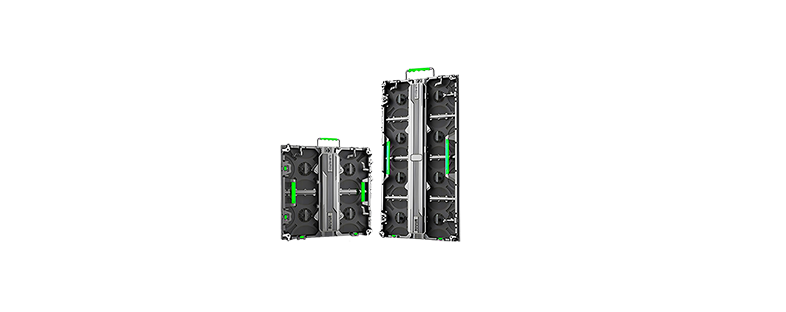
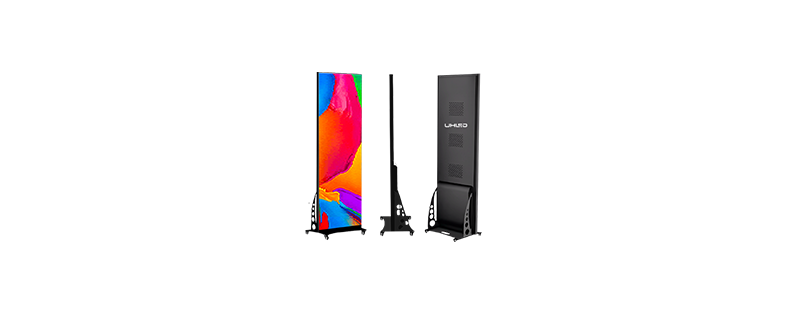
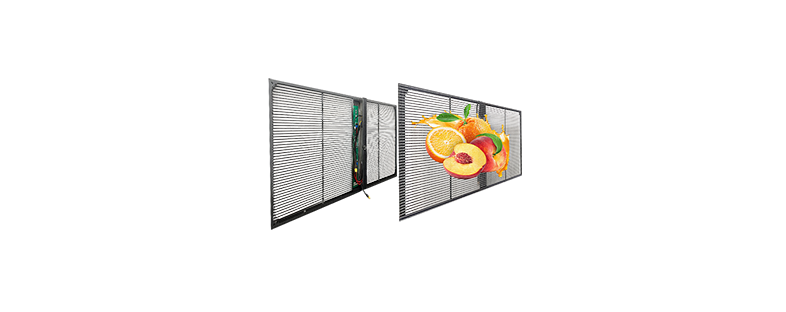
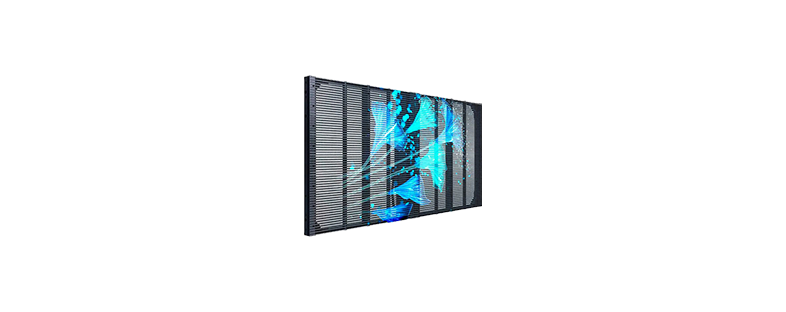
UHLED verfügt außerdem über 8 Projektingenieure, die Unterstützung bei Auslandsprojekten leisten können. Dies ist hilfreich, wenn Ihr Projekt eine Wandbildschirminstallation in einem Einkaufszentrum, eine Anzeigetafel auf einem Platz mit nahegelegenem öffentlichen Verkehr oder eine Fassadenbildschirminstallation mit beengten Platzverhältnissen im hinteren Bereich umfasst. Zu den LED-Display-Produkten gehören Optionen für den Außenbereich, den Innenbereich, die Vermietung, Regale, Poster, Würfel, flexible LED-Folien und transparente LED-Displays, sodass die Lösung für verschiedene feste und halbfeste Standorte geeignet ist.
Was sollte auf einer Sicherheitscheckliste für LED-Außenbildschirme stehen?
Vor der Inbetriebnahme wurde ein großer LED-Bildschirm im Freien Die Installation muss einer umfassenden Überprüfung unterzogen werden. Es genügt nicht, dass der Bildschirm leuchtet. Struktur, Stromversorgung, Wasserdichtigkeit, Displaysteuerung und Wartungszugang müssen einwandfrei funktionieren.
Endabnahme und Wartung von LED-Außenbildschirmen
Ihre Sicherheitscheckliste für LED-Außenbildschirme sollte die Ausrichtung des Rahmens, die Verankerungsbolzen, die Gehäuseverriegelungen, die Erdung, den Überspannungsschutz, die Kabelabdichtungen, die Entwässerung, die Helligkeitseinstellungen, den Zustand der Module und die Prüfung des Controllers umfassen. Für die Wartung von LED-Außenbildschirmen sollte der Servicezugang frühzeitig geplant werden. Wartungsarbeiten an der Vorderseite sind einfacher, wenn der Bildschirm nahe an einer Wand steht. Für Wartungsarbeiten an der Rückseite wird ein sicherer Platz hinter der Konstruktion benötigt.
Ein freier Wartungsweg mag langweilig klingen, aber die Techniker werden es Ihnen später danken. Wenn ein Modul während der Regenzeit überprüft werden muss, kann ein sicherer Zugang Ausfallzeiten reduzieren und riskante Reparaturen vermeiden.
Für Planungshilfe, Produktauswahl und technischen Support können Sie sich vor der endgültigen Festlegung des Bauwerks an den UHLED-Service wenden.
FAQ (häufig gestellte Fragen)
Frage 1: Was ist der erste Schritt bei der Installation von fest installierten LED-Außenanzeigen?
A: Der erste Schritt ist eine vollständige Standortanalyse. Dabei müssen die Montagefläche, die Sichtweite, die Sonneneinstrahlung, die Windrichtung, der Kabelverlauf, der Stromanschluss und die örtlichen Genehmigungspflichten geprüft werden.
Frage 2: Warum ist die Windlast für LED-Außenanzeigen so wichtig?
A: Wind kann einen starken Druck auf eine große Bildschirmfläche ausüben. Bei Bildschirmen auf Dächern, am Straßenrand und freistehenden Bildschirmen kann die Windlast wichtiger sein als das Gewicht des Bildschirms selbst.
Frage 3: Was sollte ein Fundament für einen LED-Außenbildschirm umfassen?
A: Dazu gehören die korrekte Größe des Betonfundaments, die Ankerbolzen, die Aushärtezeit und die Überprüfung der Ausrichtung. Das Fundament muss der statischen Berechnung entsprechen und darf nicht auf Vermutungen beruhen.
Frage 4: Wie kann die Wasserdichtigkeit von LED-Außendisplays verbessert werden?
A: Verwenden Sie für den Außenbereich geeignete Gehäuse, abgedichtete Steckverbinder, geschützte Kabeleinführungen, ausreichende Entwässerung und regelmäßige Dichtigkeitsprüfungen. Sowohl die Vorder- als auch die Rückseite sollten überprüft werden.
Frage 5: Warum sollte man sich bei großflächigen LED-Außenbeleuchtungsprojekten für UHLED entscheiden?
A: UHLED bietet Außenbeleuchtung LED-AnzeigenProjektunterstützung, ein breites Produktsortiment, 8 Projektingenieure, 5 Jahre Garantie und zertifizierte Fertigungskapazitäten tragen dazu bei, Bedenken hinsichtlich komplexer Installationen und langfristiger Wartung auszuräumen.


