
-
DISPLAY LED al aire libre
DISPLAY LED al aire libre
-
DISPLAY LED INTERIOR
DISPLAY LED INTERIOR
-
RENTAL DISPLAY LED
RENTAL DISPLAY LED
-
Pantalla led de estante
Pantalla led de estante
-
POSTER DISPLAY LED
POSTER DISPLAY LED
-
DISPLAY LED CUBE
DISPLAY LED CUBE
-
PELÍCULA LED FLEXIBLE
PELÍCULA LED FLEXIBLE
-
DISPLAY LED TRANSPARENTE
DISPLAY LED TRANSPARENTE







Cómo integrar pantallas LED flexibles en soluciones de venta minorista inteligente
Las tiendas físicas se enfrentan a la urgente necesidad de redefinir la experiencia del cliente para competir con las plataformas digitales de comercio electrónico. Los espacios comerciales modernos se alejan de la publicidad pasiva y optan por entornos integrados basados en datos que reaccionan al comportamiento del consumidor en tiempo real. La implementación de soluciones avanzadas de venta minorista inteligente se ha convertido en el principal mecanismo para que las tiendas insignia, los concesionarios de automóviles de alta gama y los centros comerciales de lujo aumenten el flujo de clientes y el tiempo de permanencia. Un elemento central de esta transformación digital es la evolución de la tecnología de visualización, donde los monitores tradicionales y pesados están siendo reemplazados por soportes discretos y de alta definición.
Como empresa líder en innovación en la fabricación de señalización digital avanzada, UHLED ha diseñado un conjunto de productos especializados que cierra la brecha entre el hardware básico y los ecosistemas de software inteligentes. Incorporando una pantalla de película LED flexible La integración en un marco comercial más amplio permite a los operadores mantener la elegancia estructural al tiempo que implementan campañas de marketing interactivas y adaptables. Para maximizar el retorno de la inversión de estas mejoras digitales, es fundamental comprender en detalle cómo la ciencia de los materiales moderna se integra con el Internet de las Cosas, el hardware sensorial y los sistemas de gestión de contenido basados en la nube.
¿Por qué la señalización tradicional no funciona en los ecosistemas modernos de venta minorista inteligente?
Las pantallas comerciales estándar presentan importantes obstáculos físicos para la señalización digital en el sector minorista, especialmente al intentar crear una distribución fluida de la tienda. Las pantallas de cristal líquido convencionales y los paneles LED sólidos dependen de carcasas metálicas gruesas y pesadas que forman paredes completamente sólidas. Al colocarse detrás de los escaparates, estos sistemas bloquean la luz natural, impiden la vista del público al interior de la tienda y arruinan el diseño arquitectónico abierto de un escaparate moderno. Esta falta de transparencia obliga a los minoristas a elegir entre emitir anuncios de vídeo de alto impacto o mantener un ambiente acogedor y luminoso, propio de una boutique.
Además, estas opciones de hardware más antiguas funcionan como vallas publicitarias digitales aisladas, en lugar de activos conectados dentro de una red IoT moderna. Carecen de la agilidad de procesamiento nativa y las interfaces de programación de aplicaciones abiertas necesarias para comunicarse con plataformas de análisis en tiempo real. Cuando una tienda no puede vincular sus recursos visuales con los datos de los consumidores, la pantalla simplemente reproduce el mismo vídeo genérico durante semanas. Este enfoque estático provoca fatiga de contenido entre los compradores locales, no aprovecha los cambios demográficos de la tienda a lo largo del día y deja a los equipos de marketing de campo sin métricas claras sobre la interacción real de la audiencia.
La arquitectura técnica: conectando el cine digital con el IoT y la interactividad.
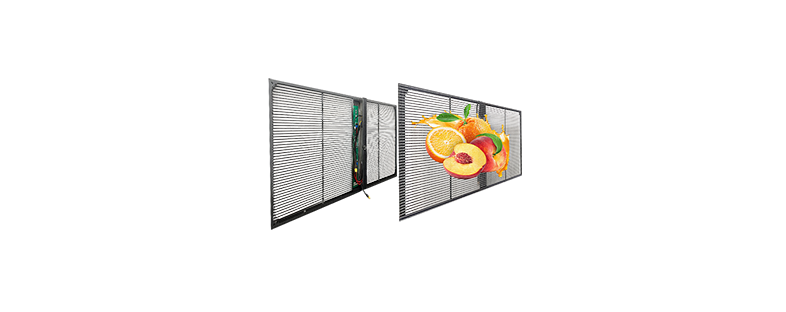
La creación de un ecosistema de venta minorista automatizado requiere una estructura técnica clara y multinivel donde las señales sensoriales alteren directamente las señales visuales. La tecnología patentada de película adhesiva desarrollada por UHLED utiliza un sustrato de polímero excepcionalmente ligero con una rejilla integrada de micro-LEDs, que funciona con una matriz especializada que ofrece hasta un noventa por ciento de transmisión de luz. Gracias a su delgadez y flexibilidad excepcionales, todo el conjunto de hardware se adhiere perfectamente al vidrio de las ventanas existentes y funciona con chips de bajo consumo que se conectan directamente a reproductores multimedia de red estándar.
Para lograr una verdadera integración de señalización digital IoT, los ingenieros colocan hardware de computación perimetral, como sensores ópticos de IA anónimos o unidades LiDAR de alta precisión, cerca de las entradas y las áreas de los escaparates principales. Estos dispositivos capturan datos de los consumidores en tiempo real, incluyendo el tiempo de permanencia de los peatones, el volumen de tráfico peatonal en tiempo real y grupos demográficos aproximados. Esta información sin procesar viaja a través de redes locales directamente a un sistema de gestión de contenido basado en la nube. El controlador de medios procesa los datos de activación entrantes en milisegundos, indicando a la pantalla que cambie instantáneamente su contenido de video activo. Por ejemplo, la pantalla del escaparate puede pasar sin problemas de un bucle de marca general a un clip promocional dinámico y dirigido al grupo específico que se encuentra en ese momento fuera del escaparate.
Tres escenarios prácticos: Mejorando la experiencia del cliente.
La implementación de un sistema de visualización en tiendas basado en inteligencia artificial genera los mayores beneficios comerciales cuando la tecnología se adapta directamente a los puntos de contacto específicos a lo largo del proceso de compra moderno.
El escaparate interactivo para atraer pasajeros.
El escaparate exterior representa la zona más importante para captar la atención de los transeúntes. Los carteles de vinilo tradicionales o las pantallas opacas no logran generar una interacción profunda porque no ofrecen personalización. Al colocar un cartel de vinilo transparente en la fachada principal de cristal, una marca de lujo puede crear un escaparate interactivo que atrae la atención de inmediato. Los peatones que pasan ven gráficos digitales nítidos y de alta definición que parecen flotar en el aire, mientras que pueden observar a través del cristal la mercancía de alta gama del interior de la tienda. La incorporación de códigos QR en la pantalla permite a los clientes usar sus dispositivos móviles para interactuar directamente con el cristal, lo que les permite consultar el inventario en tiempo real u obtener cupones exclusivos antes incluso de entrar.
El pedestal de producto inteligente para la interacción dirigida.
Una vez que el cliente entra en la tienda, la experiencia digital debe pasar de una simple atracción a una información detallada sobre el producto. Los diseñadores de tiendas pueden integrar segmentos más pequeños y cortados con precisión de una película especializada directamente en vitrinas, estanterías o mesas de presentación de productos. Cuando el cliente toma un producto físico, las etiquetas de identificación por radiofrecuencia o los sensores de presión locales le indican al servidor multimedia cercano que active la pantalla. La superficie de vidrio justo detrás del producto se ilumina con información específica, como opciones de color personalizadas, origen de los materiales o reseñas en redes sociales. Esta fluida combinación de productos físicos y contenido digital interactivo ofrece a los compradores respuestas inmediatas a las preguntas más frecuentes sobre los productos, actuando como un asistente de ventas automatizado justo en el momento de la decisión.
Narración inmersiva de marcas en grandes centros comerciales
Para los extensos centros comerciales, grandes almacenes y grandes salas de exposición de automóviles, las exhibiciones estándar a menudo se ven toscas y arruinan la sensación de amplitud del edificio. Los grandes elementos estructurales de vidrio, como ascensores de vidrio, barandillas de balcones de nivel superior y grandes paredes de atrios interiores, ofrecen un enorme espacio sin usar para marketing de alta visibilidad. Debido a que las matrices de película flexible fabricadas en el Arquitectura de UHLED Las plantas de producción se pueden extender sobre amplias superficies de vidrio sin añadir grandes cargas muertas, transformando fácilmente elementos arquitectónicos estándar en enormes lienzos digitales. Estas pantallas a gran escala ofrecen a los promotores de centros comerciales una poderosa herramienta para realizar campañas de marca inmersivas y sincronizadas durante las temporadas de compras navideñas o los lanzamientos de productos importantes, generando importantes ingresos publicitarios y manteniendo al mismo tiempo un ambiente luminoso, abierto y moderno en todo el espacio.
Mantenimiento operativo y mitigación de riesgos
La implementación de redes de pantallas avanzadas en tiendas minoristas concurridas requiere un plan práctico para el soporte técnico a largo plazo y una gestión de energía estable. A diferencia de las pantallas industriales pesadas que funcionan en gabinetes aislados, la tecnología de película flexible se instala directamente sobre el vidrio funcional de la ventana, por lo que la selección inteligente del hardware y una instalación adecuada son fundamentales para evitar tiempos de inactividad inesperados.
La gestión térmica es un factor vital al colocar componentes electrónicos directamente sobre vidrio estructural. El calor excesivo generado por pantallas baratas y de mala calidad puede dañar los paneles de vidrio, provocando grietas o deslaminación con el tiempo. Para evitarlo, las unidades de película de alta gama utilizan diseños de enrutamiento de energía altamente eficientes que mantienen bajas las temperaturas de funcionamiento. Los minoristas también deben elegir sistemas con rutas de señal redundantes. Si se produce un problema menor en un componente específico del vidrio, el resto de la pantalla continúa funcionando sin problemas, evitando zonas oscuras visibles hasta que un técnico pueda reparar la tira afectada. Además, configurar horarios de encendido automáticos mediante el software central de la tienda garantiza que la pantalla se apague durante las horas de cierre nocturno. Este sencillo paso prolonga la vida útil de los LED y reduce los costos energéticos mensuales.
Conclusión
Para llevar a cabo con éxito una actualización digital en un espacio comercial moderno, es necesario ir más allá de las pantallas básicas y no conectadas. La verdadera innovación reside en vincular hardware interactivo directamente a la red tecnológica más amplia de la tienda. Al combinar pantallas de película flexible de alta claridad con seguimiento sensorial en tiempo real, las marcas minoristas pueden transformar simples escaparates en herramientas de marketing interactivas que impulsan activamente las ventas. Las opciones avanzadas de pantallas flexibles diseñadas por UHLED Ofrecemos a los compradores comerciales el equilibrio perfecto entre un alto rendimiento visual, una instalación sencilla mediante adhesivos y compatibilidad con software abierto. Esto permite a los minoristas crear entornos inteligentes, atractivos y preparados para el futuro que fidelizan a los clientes.
Preguntas frecuentes
P1: ¿Puede esta tecnología de película flexible conectarse a los sistemas de inventario estándar para actualizar los precios automáticamente?
Sí, los controladores de pantalla modernos se conectan directamente con las bases de datos estándar de planificación de recursos empresariales (ERP) y etiquetado electrónico de estanterías. Cuando el gerente de la tienda actualiza el precio o el estado del stock de un producto en la base de datos central, el software de gestión de contenido conectado actualiza automáticamente los gráficos que se muestran en el vinilo del escaparate. Esto garantiza la precisión de los precios en todos los canales y evita que el personal de la tienda tenga que cambiar los carteles de precios manualmente.
P2: ¿Cómo afecta el consumo de energía de una mampara transparente en el escaparate de una tienda a la factura diaria de la luz?
A: Las pantallas de película transparente avanzadas son mucho más eficientes que las pantallas sólidas tradicionales y gruesas. Dado que la película es mayoritariamente transparente, solo consume energía para iluminar los gráficos en color, mientras que las partes negras del vídeo no consumen electricidad. Este diseño eficiente reduce el consumo de energía hasta en un cincuenta por ciento en comparación con las pantallas LCD sólidas, lo que mantiene bajas las facturas de electricidad de la tienda a la vez que ofrece una excelente visibilidad durante las horas de luz solar directa.
P3: ¿Qué ocurre con el escaparate si una tienda necesita cambiar su distribución o trasladarse de local?
A: Las pantallas de polímero ligero fabricadas por UHLED utilizan un adhesivo especial que no deja residuos, lo que permite retirarlas fácilmente si una tienda decide remodelar o reubicarse. Los equipos de instalación profesionales pueden retirar las láminas protectoras del cristal sin rayarlo ni dejar restos de pegamento. Posteriormente, las secciones individuales del hardware se pueden inspeccionar, enrollar en tubos de envío compactos y transportar a una nueva ubicación para su reinstalación, lo que las convierte en un recurso muy flexible y reutilizable para marcas minoristas en crecimiento.
P4: ¿Es una pantalla LED de alquiler una mejor opción para una tienda minorista que una instalación permanente de película?
A: Una pantalla LED de alquiler especializada es ideal para eventos de corta duración, como tiendas efímeras de fin de semana, grandes desfiles de moda o exposiciones rápidas en ferias comerciales, ya que están diseñadas para un montaje y desmontaje rápidos mediante estructuras de soporte temporales. Sin embargo, para locales comerciales permanentes, una pantalla de película flexible es la mejor opción. Se monta directamente sobre el cristal sin ocupar espacio valioso en el suelo, conserva la iluminación natural del interior y se integra perfectamente en la arquitectura del edificio.


