





How to choose the right LED display for outdoor advertising
Buying a massive écran LED extérieur is nothing like grabbing a TV from a big box store. Honestly, two things run the whole show. First, where are you bolting it down? Second, who is actually looking at it? A giant highway billboard plays by completely different rules than some small shop window. Throw in a concert stage. Or maybe a naked-eye 3D setup on a building corner. Now you are dealing with totally different hardware. You have to balance brightness, pixel pitch, and rain gear. The metal box holding everything together matters a ton, too. Above all, you want easy fixes. And you need a vendor who actually answers the phone when something breaks.
Get your facts straight before you beg for a quote. Hand your sales rep the exact details below. They can use that to spec out a board that actually works for your site.

What should you check before buying an LED display?
Look closely at the physical spot first. What is this screen actually supposed to do? Answering that points you straight to the right gear.
Installation location
Grab a notepad. Write down the weather and the sun glare hitting your site. A downtown commercial landmark gets cooked in the sun. Rain pounds it all year. It runs day and night. Now, think about a display inside a retail window. That is a totally different animal. It usually needs a much tighter pixel pitch. Why? Because shoppers press their noses right against the glass.
What if you manage a stadium gig or a stage rental? Your road crew will pack the gear into semi-trucks over and over. Because of that, the screen needs to snap together fast. Got a tricky corner wall on a commercial building? You will probably want a custom right-angle cabinet design. That lets the video wrap the edge without ugly gaps.
Never ignore the repair space. Look at the steel mounting frame. Figure out the local wind speeds. Map out your power lines. Then, run a tape measure from the screen face to the crowd barrier. Send all these measurements over to your supplier. They lean on those numbers to pick the right cabinet, controller, and brackets.
Viewing distance and screen size
Pixel pitch is just the tiny empty space between two LED lights. A small gap creates mind-blowing detail up close. A big gap does the job perfectly when the crowd stands a hundred feet back. So, how do you make the call? It depends mostly on the total screen size and where the closest guy is standing. A quick napkin sketch of the area tells a sales rep way more than just pulling numbers out of thin air.
For outdoor advertising, drivers flying by at sixty miles an hour need to read the message fast. In a retail shop, just measure the walking path from the screen straight over to the cash register.
Which LED display specifications matter most?
Once you map out the install site, start digging into the technical specs. These numbers completely change the picture quality, the hardware lifespan, and your monthly power bill.
Brightness for outdoor visibility
Direct sunlight absolutely murders digital screens. It washes out the picture in seconds. Outdoor LED displays fight this by using ridiculously bright LED lights. They also lean on a smart control system to handle the moving sun. Think of a built-in light sensor as an automatic dimmer switch. It cranks the brightness at noon and drops it at midnight. This keeps the video sharp. Better yet, it saves you from an insane electricity bill.
Let’s say you run a stage rental screen. You probably need at least 4,000 cd/m² for a daytime show just to cut through the heavy glare. But your actual target number depends on the venue. It also depends on the media you play, TV camera rules, and how brutal the local sun gets.
Pixel pitch and image detail
Pixel pitch changes the whole game. It shifts the image detail, the ideal viewing distance, and the final price tag. Micro pitches are fantastic when people stand super close to read the fine print. Bigger pitches make total sense for giant outdoor walls that people stare at from three blocks away. Tell the seller to match the pitch to your closest and furthest fans.
The video content plays a huge role here. Ads packed with text need a tight pitch so the letters do not blur. Massive product shots, wild moving art, and naked-eye 3D clips might demand a completely different setup.
IP rating and weather protection
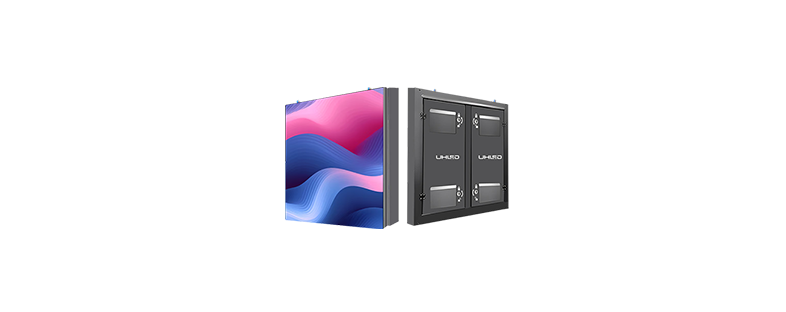
Outdoor screens take a brutal beating from Mother Nature. Rain, mud, summer heat, and winter freezes attack the hardware around the clock. UHLED outdoor products bring IP65 or IP66 protection to the fight. They use sealed boxes and waterproof inner parts. That IP66 aluminum cabinet easily shrugs off heavy rain storms and blowing dirt. Some models even throw in a special salt-spray treatment. That stops rust dead in its tracks on coastal jobs.
Look over the whole casing. Check the cable holes, the water drains, and the cooling fans. Even a heavy-duty cabinet demands a rock-solid frame and a smart install crew. Always check the safe temperature limits for the exact model you buy. The outdoor naked-eye 3D solution, for example, handles wild temperature swings like a champ. It runs perfectly fine from -40°C to 70°C.
Cabinet material and structural design
The metal chassis holding your screen is incredibly important. It affects the total weight, the load on the frame, and your entire repair plan. Aluminum cabinets are crazy light but tough as nails. They make hanging the screen and swapping bad parts a total breeze. Iron cabinets are older tech. Still, they work fine for heavy-duty setups that specifically ask for that metal.
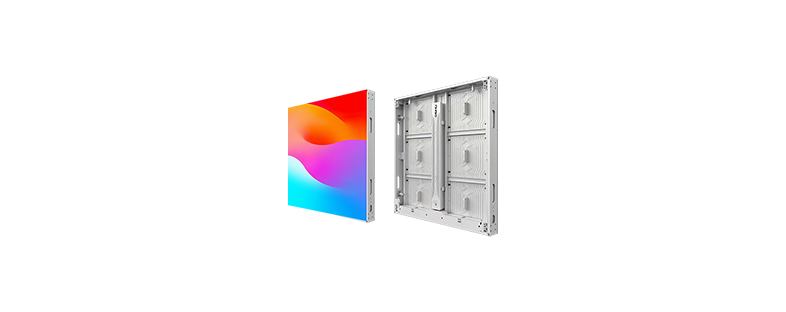
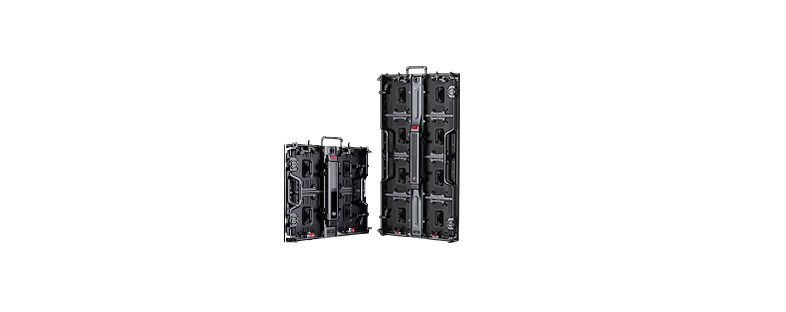
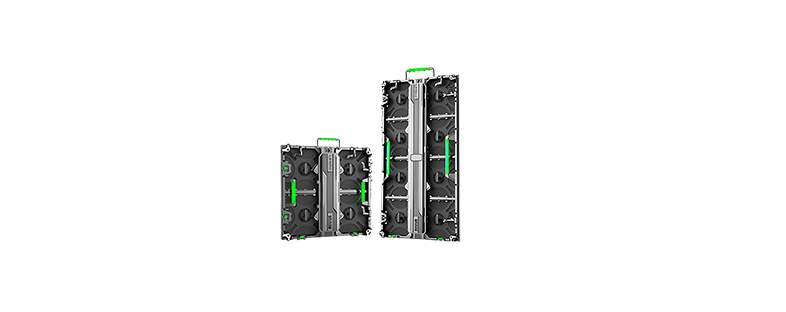
Right-angle and corner boxes let you wrap the screen around weird building shapes. Rental cabinets play by their own rules. Crews can stack them, hang them from trusses, or build curved video walls. Before you sign any paperwork, ask about the cabinet weight. See exactly how the locks snap together. Read the wind-load data and demand the mounting drawings.
How do installation and maintenance affect total cost?
The sticker price on the screen is just the starting line. Think about setup labor, heavy crane rentals, backup parts, and paying the repair guys. That stuff eats away at your budget over the years.
Front maintenance or rear maintenance?
Front maintenance means a tech can pop out a dead part right from the front side. This is an absolute lifesaver if the screen bolts flush against a brick wall. Rear maintenance gives the guys room to turn wrenches from the back. That setup is awesome for massive metal frames with a built-in catwalk. Pick the style that matches your actual building layout.
Build a solid repair plan on day one. Know your module type. Find out where the power box lives. Figure out how the tech crew will climb up there safely. Also, find out how fast you can get spare parts. UHLED outdoor designs come with rear-maintenance options. But they can easily build screens for front access if your wall demands it.
Modular installation and hard-connection design
Modular cabinets make trucking and rigging so much easier. A quick-lock system slashes the setup time for busy rental shows. The stage rental solution uses tough aviation-grade aluminum cabinets. A single box usually weighs 12 to 15 kg. With a clean site, a good crew can build 100 square meters in roughly two hours.
Hard-connection designs are pretty brilliant. They hide the plug ports inside the cabinet or module itself. The rigging team just clicks the blocks directly into each other. This kills the headache of messy hanging cables. It works great for front or back setups. Plus, it makes hunting down a bad wire super easy.

Which LED display is right for your application?
Match the hardware to your video files, your audience, and the local weather report.
Outdoor advertising and commercial landmarks
Grab a high-brightness outdoor LED display. Lock in a serious IP rating and a remote system so you can swap out ads from your office chair. Make sure the cabinet matches the building walls. Corner joining looks incredible on big landmark buildings. And do not forget, auto brightness makes the sign pop perfectly during the day and night.
Stage rental and live events
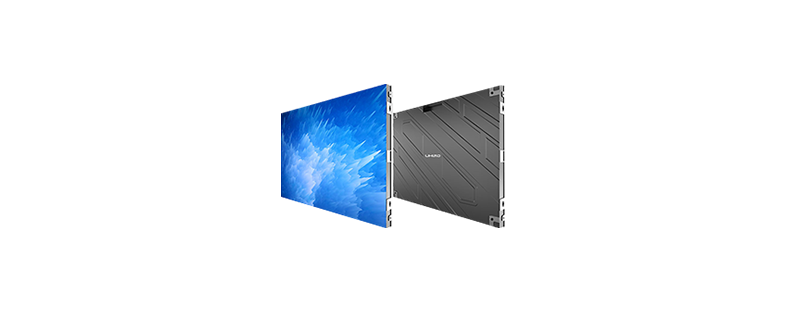
Rental jobs destroy cheap gear. You need lightweight boxes, lightning-fast rigging, easy packing, and rugged parts that survive life on the road. Hunt for quick locks, sturdy hanging bars, and smart screen sync tools. A high refresh rate is a total must if TV cameras are shooting the show. The UHLED rental display solution brings IP65 protection and a refresh rate of at least 3,840 Hz. You can even warp it into crazy custom shapes. It kills it at concerts, festivals, and massive corporate parties.
Naked-eye 3D and high-impact content
Naked-eye 3D illusions usually require a tight 90-degree corner. This tricks the human eye into seeing crazy deep space across two flat walls. You strictly need buttery smooth video playback and flawless colors. UHLED’s outdoor naked-eye 3D solution rocks a 3,840 Hz refresh rate and 16-bit color-depth processing. It automatically drops the brightness when the sun goes down. Brands use it all the time for city landmarks, theme parks, and giant flagship retail spots.
Making the 3D video is half the fight. Ask your team who is designing the 3D art. Figure out how you will load those huge files. Plan out exactly who will run the remote software when the screen goes live.
How should you evaluate an LED display supplier?
Ignore the smooth sales pitch. Look at the real hardware, the blueprint plans, the user manuals, and the kind of help you actually get after the check clears.
Product and quality documentation
Demand a complete spec sheet. It has to list pixel pitch, brightness, and refresh rate. It must show the cabinet size, weight, IP rating, repair style, power needs, and safe running temperatures. Ask for the official safety papers. UHLED lists CE, RoHS, FCC, UL, CCC, KC, and ETL certifications across its whole range.
Ask for a demo video or a tiny sample piece before you buy a giant screen. See if they will credit the sample cost toward your big order later. Double-check exactly which cables come inside the box.
Engineering and after-sales support
Solid tech help gives you frame drawings and wire maps. They help you boot up the controller and guide your local riggers. They should also patch software bugs and ship spare parts fast. UHLED supports Wi-Fi and HDMI control. They play nice with standard brains like NovaStar. They give remote tech support, on-site setup tips, and help for overseas gigs.
Ask the sales guy how fast they reply to emails. Read the warranty rules line by line. Learn the exact process to get spare parts. Know what to do the second a module dies. UHLED provides a five-year warranty for problems they caused. After the warranty runs out, you can still buy spare parts straight from them to keep the screen running.
UHLED’s LED display capabilities
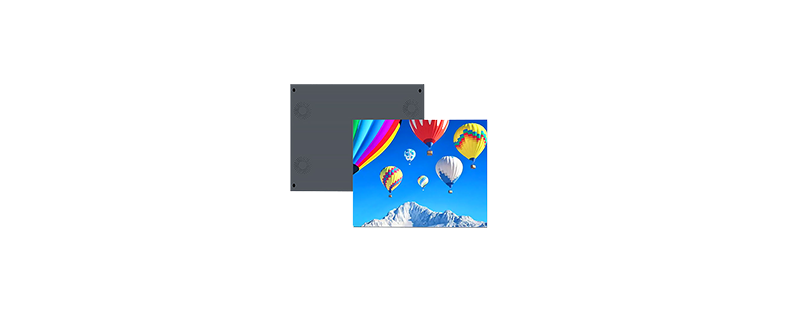
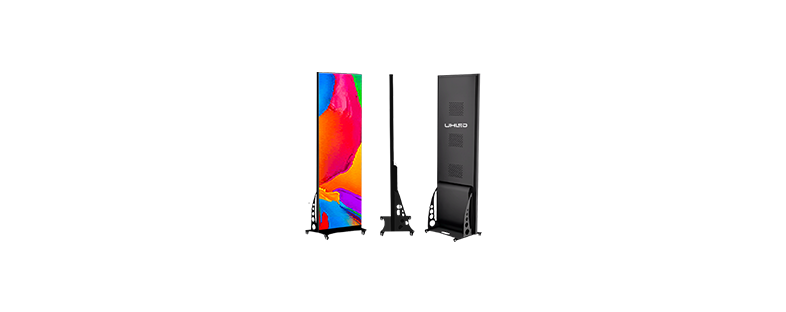
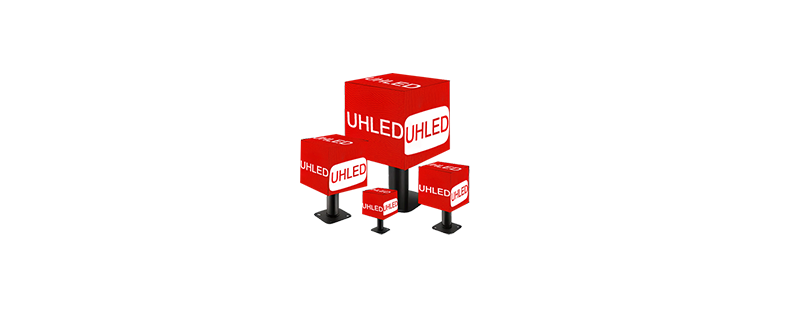
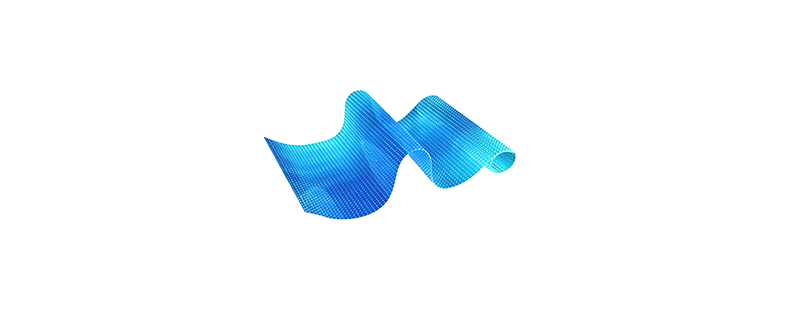
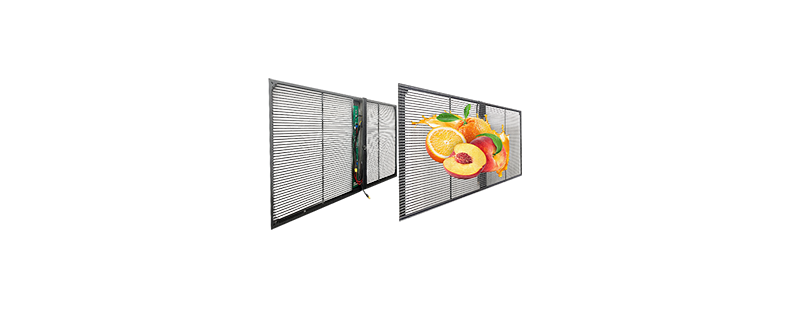
UHLED is an LED display maker that started up in 2015. They build indoor and outdoor HD LED displays. They also make rental screens, clear screens, poster boards, and odd-shaped custom screens. The company handles everything in-house. They design, make, sell, and fix the screens. Their gear runs outdoor ads, stage rentals, and mind-blowing naked-eye 3D setups.
You can hit them up for samples, build drawings, or remote tech help. They sell parts and push out software updates. Need a quote? Tell them the install spot, screen size, and viewing gap. Share what video you will play, run times, and how workers can reach the back panels. Their tech team will match the exact right display to your site.
FAQ (questions fréquentes)
Q1: What is the best pixel pitch for an outdoor LED display?
A: The correct pitch depends entirely on how close the crowd stands, your screen size, video details, and your budget. Tiny gaps are awesome for close-up viewing. Large gaps do the trick perfectly for long-distance outdoor ads.
Q2: Are outdoor LED displays waterproof?
A: Yes, outdoor models use IP65 or IP66 protection. They feature sealed frames and waterproof parts. Always double-check the real IP rating and weather limits for the exact model you plan to order.
Q3: How bright should an outdoor LED display be?
A: Brightness has to beat the sun in your specific town. Daytime stage rental jobs normally need at least 4,000 cd/m². Other spots might need auto day-to-night sensors to keep the lighting perfectly balanced.
Q4: What is the difference between front maintenance and rear maintenance?
A: Front maintenance lets a tech pull out parts right from the front side of the screen. This is a total must when a brick wall blocks the back. Rear maintenance uses an open catwalk behind the screen. It is perfect for massive, fixed metal frames.
Q5: How long is the warranty for an LED display?
A: UHLED gives a five-year warranty for problems on their end. Make sure to read the exact covered parts, how to file a ticket, and the spare-parts rules in your quote.


