
-
LEIDENE DISPLAY buiten
LEIDENE DISPLAY buiten
-
LEIDENE DISPLAY binnen
LEIDENE DISPLAY binnen
-
Huur LED-display
Huur LED-display
-
LEIDENE DISPLAY
LEIDENE DISPLAY
-
POSTER LEIDENE DISPLAY
POSTER LEIDENE DISPLAY
-
CUBE LEIDENE DISPLAY
CUBE LEIDENE DISPLAY
-
FLEXIBLE LEIDENE FILM
FLEXIBLE LEIDENE FILM
-
TRANSPARANTE LEIDENE DISPLAY
TRANSPARANTE LEIDENE DISPLAY








Een duurzame keuze: de milieuvoordelen van LED-digitale signage op beurzen
Waarom is duurzaamheid belangrijk bij bewegwijzering op beurzen?
Tentoonstellingen duren niet lang. Een stand staat er misschien twee of drie dagen, en dan wordt alles weer afgebroken. Maar het afval blijft. Banners, schuimpanelen, posters, stickers en bedrukte productborden worden vaak maar één keer gebruikt. Daarna hebben veel ervan geen nuttige bestemming meer. Voor een bedrijf met ESG-doelstellingen is dit soort afval moeilijk te negeren. LED-digitale signage in tentoonstellingen Het biedt je een andere manier. Het helpt je producten te presenteren, updates te delen en bezoekers te begeleiden, terwijl je minder wegwerpmateriaal gebruikt.
De verborgen verspilling achter bedrukte standmaterialen
Gedrukte borden lijken op het eerste gezicht eenvoudig. Toch vereisen ze ontwerp, drukwerk, verpakking, verzending, installatie en later de verwijdering ervan. Als de afmetingen van uw stand de volgende keer veranderen, passen de oude afbeeldingen mogelijk niet meer. Als een productnaam verandert, kan een hele set borden nutteloos worden.
Daarom is duurzame beursbelettering zo belangrijk. Een scherm kan tijdens één evenement meerdere boodschappen weergeven. Het kan ook op de volgende beurs opnieuw worden gebruikt. Dit helpt afval op beurzen te verminderen zonder dat uw stand er saai of onafgewerkt uitziet.
Hoe kan LED-digitale signage op tentoonstellingen afval verminderen?
Het belangrijkste voordeel is gemakkelijk voor te stellen. Eén led-scherm kan de functie van meerdere gedrukte borden overnemen. Het kan 's ochtends een productvideo tonen, na de lunch een vergaderingsaankondiging en vlak voor sluitingstijd een bezoekersbericht. In een drukke beurshal is dat erg handig. Bovendien bespaart het uw team de moeite om na afloop van de beurs stapels oude, gedrukte borden op te ruimen.
Eén scherm, veel berichten
Met digitale signage voor beurzen kunt u de inhoud aanpassen zonder opnieuw te hoeven printen. Wijzigt het programma? Werk het scherm bij. Verplaatst een demonstratietijdstip? Pas de dia aan. Moet er een nieuwe productboodschap online? Voeg deze toe.
Dit is een van de duidelijke milieuvoordelen van LED-digitale signage. Het vermindert het gebruik van papier, plastic, inkt en materialen die niet lang meegaan. Bij meerdaagse beurzen zorgt het er ook voor dat de stand dynamischer blijft. Bezoekers zien steeds nieuwe content, in plaats van de hele dag dezelfde poster.
Waarom zijn energiezuinige led-schermen een betere keuze voor ESG-doelstellingen?
Tentoonstellingshallen verbruiken sowieso al veel stroom. Verlichting, airconditioning, audioapparatuur en standinrichting dragen allemaal bij aan het stroomverbruik. Energiezuinige LED-displays kan een deel van die belasting verlichten en tegelijkertijd zorgen voor heldere beelden en duidelijke tekst.
Lager energieverbruik zonder verlies van visuele impact
Een modern led-scherm hoeft niet altijd op volle helderheid te branden. Bij een ingang van een zaal kan een sterkere verlichting volstaan. In een vergaderruimte kan een lagere helderheid voldoende zijn. Kleine aanpassingen zoals deze kunnen energie besparen tijdens lange presentaties.
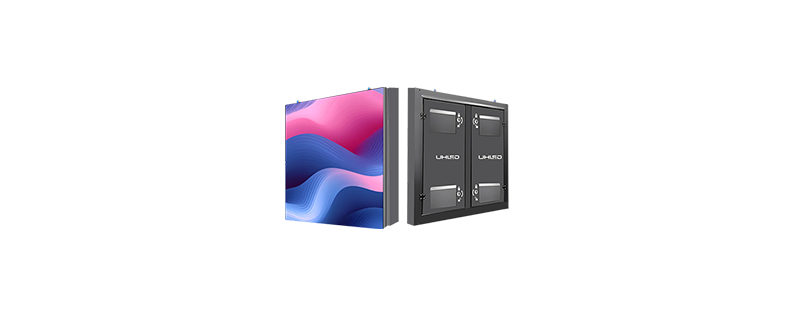
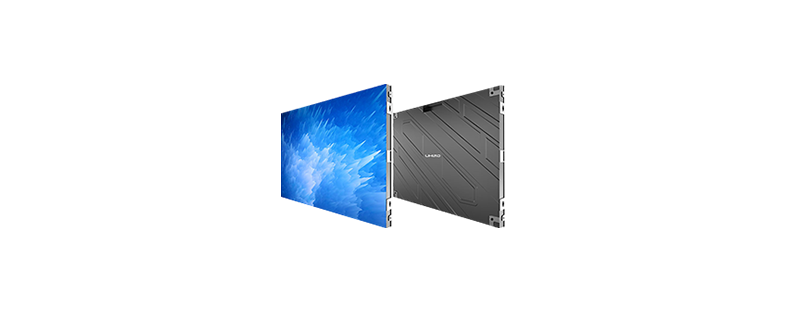
De IP66-gecertificeerde aluminium behuizing van UHLED voor buitengebruik is ontworpen met een lage warmteontwikkeling, goede warmteafvoer en een energiebesparende constructie. Het LED-scherm met fijne pixelafstand voor binnen maakt gebruik van een gegoten aluminium behuizing en een verversingsfrequentie van 3840 Hz. Deze details hebben een positief effect op het daadwerkelijke gebruik. Ze dragen bij aan een betere warmteafvoer, een comfortabel beeld en een stabiele weergave gedurende een lange evenementdag.
Hoe dragen herbruikbare led-schermen bij aan een slimmer evenementenbudget?
Een milieuvriendelijkere keuze moet ook budgetvriendelijk zijn. Herbruikbare led-schermen kunnen voor meerdere stands, campagnes en locaties worden gebruikt. Dat geeft ze meer waarde dan gedrukt materiaal dat mogelijk maar één keer gebruikt kan worden.
Ontwerp dat geschikt is voor verhuur en herhaald gebruik.
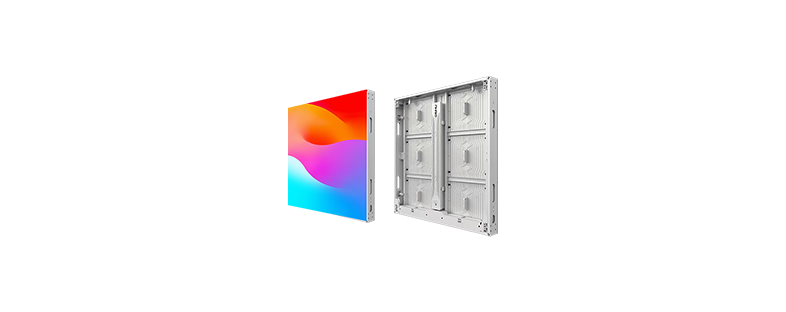
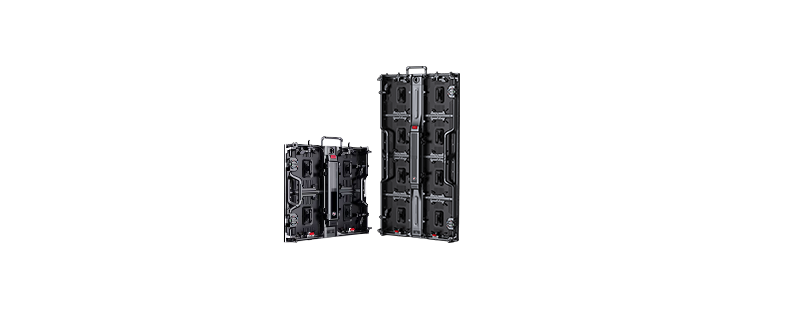
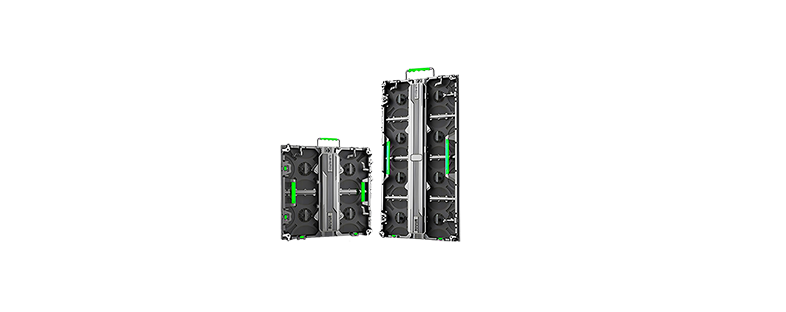
Verhuur-LED-schermen hebben een zwaar leven. Ze worden ingepakt, verplaatst, geïnstalleerd, gedemonteerd en weer opgeslagen. De verhuur-LED-schermen van UHLED ondersteunen zowel ophang- als stapelmontage, onderhoud aan de voor- en achterkant en gebruik binnen en buiten. Kastafmetingen zoals 500 × 500 mm en 500 × 1000 mm vereenvoudigen bovendien de standplanning.
Voor bedrijven die op zoek zijn naar duurzame oplossingen voor beursdeelname, is dit belangrijk. Hergebruik betekent minder herhaald printen. Het betekent ook minder afval wanneer de volgende locatie een andere indeling heeft.
Welke rol speelt UHLED in duurzame beursoplossingen?
Een leverancier van schermen is meer dan alleen een verkoper van hardware. De juiste keuze heeft invloed op de beeldkwaliteit, de levensduur van het product, de service en het toekomstige gebruik. UHLED is een in Shenzhen gevestigde fabrikant van LED-schermen, opgericht in 2015. Het bedrijf bedient B2B-klanten in de evenementen-, reclame-, retail-, podium-, commerciële en vaste installatiesector. UHLED beschikt over een productiefaciliteit van 5.000 vierkante meter, een jaarlijkse productie van 120.000 vierkante meter, 5 jaar garantie en meer dan 40 certificaten en octrooien, waaronder CB, ETL, CE, RoHS en FCC.
Praktische presentatiemogelijkheden voor echte tentoonstellingsruimtes
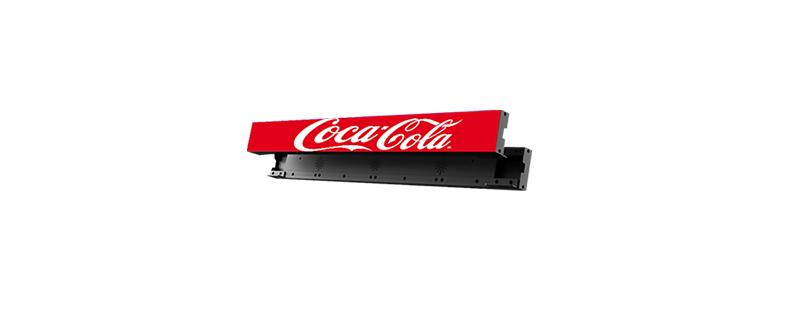
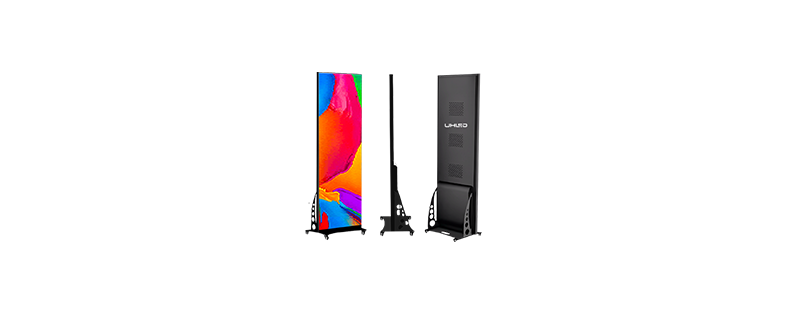
UHLED's LED-displayproducten Het aanbod omvat opties voor buiten, binnen, verhuur, schappen, posters, kubussen, flexibele ledfolie en transparante leddisplays. Dit brede scala is handig omdat tentoonstellingsruimtes zelden hetzelfde zijn.
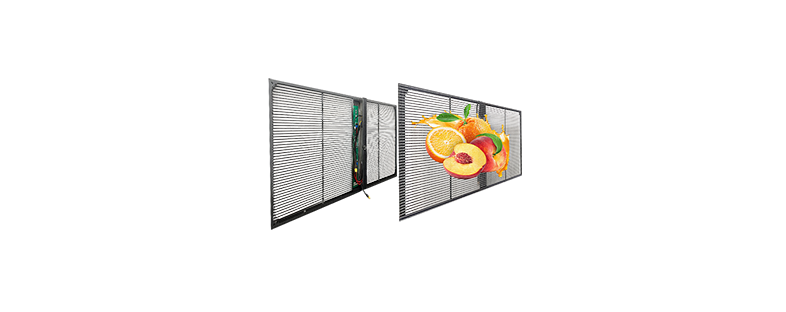
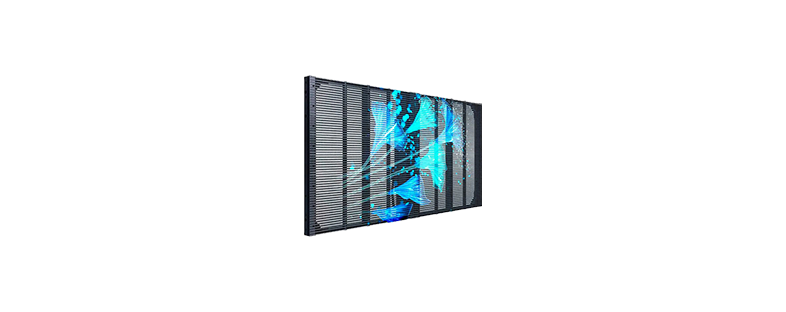
Een posterscherm past in een smalle stand. Een huurwand is geschikt voor een lanceringsruimte of een klein podium. Transparante en flexibele led-schermen kunnen op glas of creatieve standconstructies worden gemonteerd. Deze milieuvriendelijke beursdisplays zorgen ervoor dat uw stand er modern uitziet en verminderen de behoefte aan printwerk voor eenmalig gebruik.
Waar moet je op letten voordat je LED-schermen voor tentoonstellingen kiest?
Het juiste scherm hangt af van de grootte van de stand, de kijkafstand, de inhoud en de plannen voor hergebruik. Een lage prijs kan uiteindelijk duur uitpakken als het scherm te zwaar is, moeilijk te onderhouden of onduidelijk van dichtbij.
Een korte checklist voor kopers
Voordat u LED-schermen voor tentoonstellingen kiest, controleer dan de pixelafstand, helderheid, verversingsfrequentie, het gewicht van de behuizing, de installatiemethode, de toegankelijkheid voor onderhoud en het transportontwerp. Vraag ook hoeveel evenementen het scherm kan bedienen.
Hier komt groene evenementtechnologie echt van pas. Het gaat niet alleen om een moderne uitstraling. Het gaat om minder printwerk, minder afval en een efficiënter gebruik van apparatuur. Voor B2B-kopers met ESG-doelstellingen kan LED-digitale signage op beurzen zowel een toekomstgerichte presentatiekeuze als een verantwoorde investering zijn.
Voor projectbehoeften kunt u contact opnemen met UHLED om de mogelijkheden voor schermtypen, standindelingen en evenementpresentaties te bespreken.
Veelgestelde vragen
Vraag 1: Is digitale LED-bewegwijzering op beurzen echt duurzamer dan gedrukte bewegwijzering?
A: Ja. Het kan banners, posters, productpresentaties en schema's vervangen. Omdat de inhoud digitaal is, kunt u besparen op print-, verpakkings-, verzend- en afvalverwerkingskosten.
Vraag 2: Hoe dragen energiezuinige led-schermen bij aan ESG-doelstellingen?
A: Ze kunnen het energieverbruik verlagen en tegelijkertijd de beeldkwaliteit behouden. Ze dragen ook bij aan doelstellingen die verband houden met een lagere energievraag, minder afval en een langere levensduur van producten.
Vraag 3: Zijn herbruikbare led-displays geschikt voor beurzen?
A: Ja. Ze zijn geschikt voor verschillende standindelingen, campagnes en locaties. Verhuurvriendelijke schermen zijn bovendien ontworpen om herhaaldelijk te worden opgezet en vervoerd.
Vraag 4: Welk type LED-display is het meest geschikt voor beursstands?
A: Dat hangt af van de beschikbare ruimte. LED-schermen voor posters zijn geschikt voor kleine stands. LED-wanden die te huur zijn, passen beter in grotere ruimtes. Transparante en flexibele LED-schermen lenen zich beter voor creatievere opstellingen.
Vraag 5: Waarom zouden B2B-kopers UHLED moeten overwegen voor duurzame beursreclame?
Een: UHLED Het bedrijf biedt diverse opties voor displays, waaronder binnen- en buitendisplays, verhuur, posters, transparante schermen en flexibele schermen, plus 5 jaar garantie. Dit helpt kopers bij het kiezen van het juiste scherm voor langdurig gebruik op tentoonstellingen.


