
-
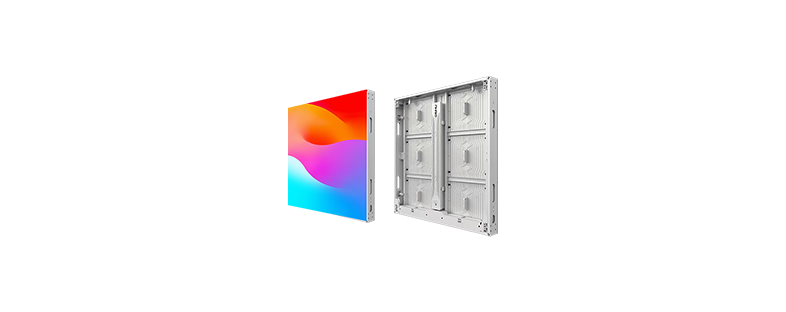
OUTDOOR LED DISPLAY
OUTDOOR LED DISPLAY
-
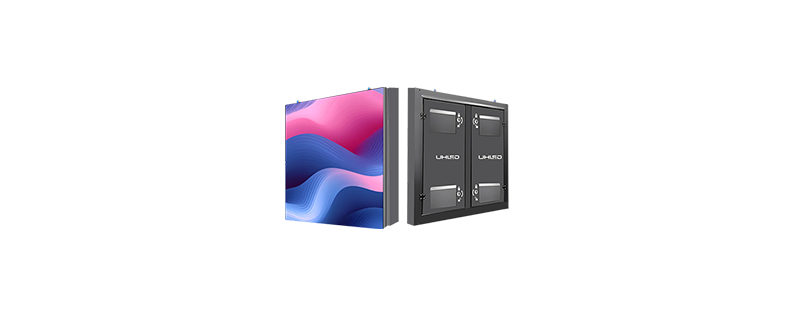
INDOOR LED DISPLAY
INDOOR LED DISPLAY
-
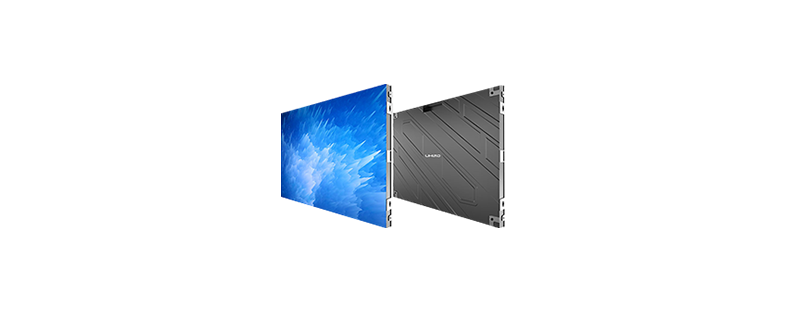
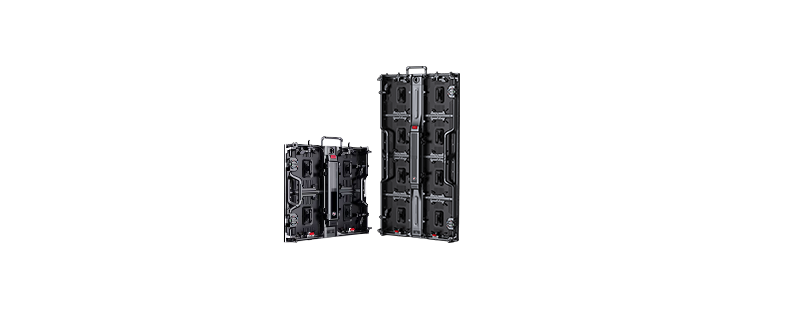
RENTAL LED DISPLAY
RENTAL LED DISPLAY
-
SHELF LED DISPLAY
SHELF LED DISPLAY
-
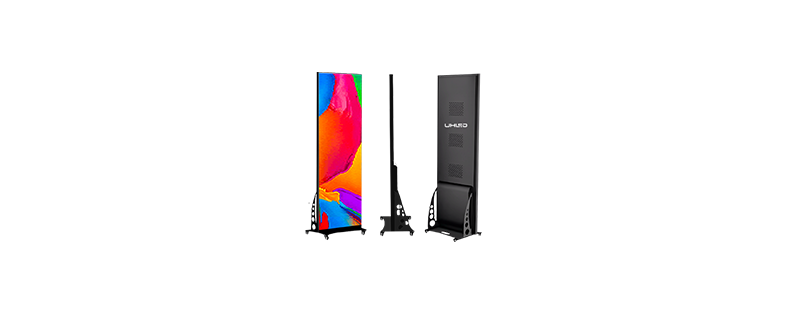
POSTER LED DISPLAY
POSTER LED DISPLAY
-
CUBE LED DISPLAY
CUBE LED DISPLAY
-
FLEXIBLE LED FILM
FLEXIBLE LED FILM
- TRANSPARENT LED DISPLAY








Flexible LED Film vs. Traditional LED Display: Which is Right for Your Business?
Commercial architecture and modern retail environments increasingly rely on dynamic digital signage to capture consumer attention, convey brand identity, and maximize advertising revenue. However, businesses evaluating large-format displays frequently face a critical decision-making juncture. The choice typically comes down to conventional, cabinet-based hardware or advanced, transparent alternatives. Selecting between a flexible LED film and a traditional LED display requires a thorough analysis of structural engineering limitations, long-term operational expenditures, and specific visual design objectives.
As a pioneer in engineering advanced visual solutions, UHLED has spent years developing cutting-edge display systems that solve these exact structural and commercial challenges for global enterprises. Whether a business requires a high-impact promotional setup or a subtle architectural integration, analyzing these competing technologies alongside industry-tested manufacturing standards ensures a high-performing investment.
Defining the Technologies: Transparent Polymeric Film vs. Heavy Cabinets
A standard commercial LED screen relies on rigid aluminum or steel enclosures that house printed circuit boards, power supplies, and heavy driving ICs. These solid panels form a completely opaque wall. While excellent for delivering maximum brightness in direct outdoor sunlight, their bulk introduces massive physical constraints. They completely block natural daylight, alter architectural aesthetics, and place significant structural loads on building facades, often requiring complex building permits and engineering modifications before installation can even begin.
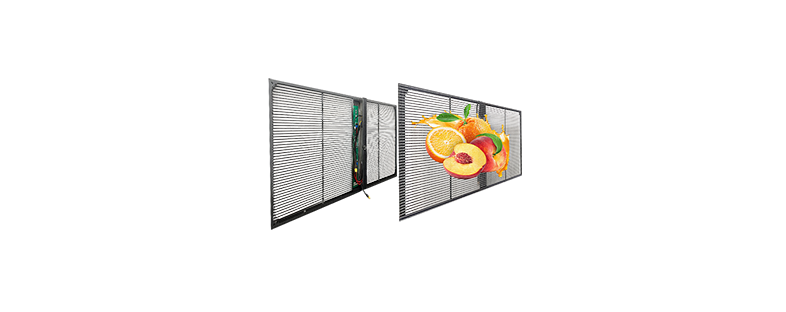
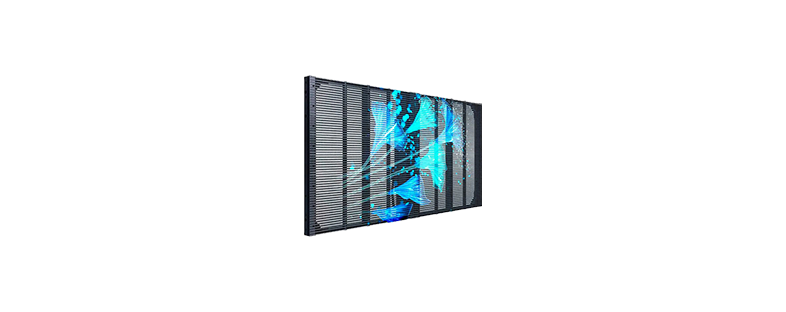
In contrast, a transparent LED film window sign represents a fundamental shift in material science, a technology that UHLED has refined through strict quality control and specialized manufacturing lines. Engineers build these displays using a highly flexible, optical-grade polymer substrate embedded with micro-LED components. Instead of thick cables and metal frames, they utilize near-invisible circuit traces. This design allows the entire display to remain flexible and highly transparent when active, and virtually invisible when powered off. For modern enterprises evaluating commercial screen options, understanding this physical distinction is the first step toward making an informed investment.
Head-to-Head Technical Comparison
When choosing digital signage, procurement managers must analyze more than just pixel pitch and initial hardware price. The long-term performance of the display depends heavily on how its physical characteristics interact with the installation environment. UHLED designs its specialized film lineup to push the boundaries of weight reduction and optical clarity, giving businesses a distinct edge over traditional setups.
|
Performance Metric |
Flexible LED Film (UHLED Architecture) |
Traditional LED Displays |
|
Dead Weight Load |
Under 3.5 kilograms per square meter |
25 to 45 kilograms per square meter |
|
Optical Transparency |
70% to 90% light transmission |
0% (Completely opaque) |
|
Structural Support |
None; applies directly to clean glass |
Heavy structural steel framing required |
|
Daylight Preservation |
Maintains natural interior lighting |
Blocks all rear ambient light |
|
Wind Resistance |
Zero wind load (Protected indoors behind glass) |
High wind load coefficients outdoors |
The structural weight disparity changes the entire scope of a deployment project. A traditional display requires dedicated structural engineering sign-offs, permits, and expensive steel rigging to safely secure the heavy cabinets. The proprietary flexible adhesive LED screen developed by UHLED bypasses these requirements by mounting directly onto existing architectural glass. This eliminates the need for invasive building modifications. Furthermore, maintaining high transparency ensures that interior retail spaces, corporate offices, or vehicle showrooms retain their natural light, preserving a pleasant environment for customers and employees alike.
Total Cost of Ownership and Lifecycle ROI Analysis
A common mistake in commercial AV procurement is focusing entirely on upfront hardware costs. While traditional LED panels feature a lower initial purchase price due to mature mass production, their hidden lifecycle costs can quickly erode those savings. Businesses must look at the Total Cost of Ownership (TCO), which combines shipping, installation labor, structural engineering, and ongoing energy consumption. This is where the engineering philosophy of UHLED focuses on driving long-term value for B2B buyers.
Shipping heavy iron or aluminum cabinets incurs premium freight charges, especially for international logistics. Installation requires specialized crews working over multiple days, often involving scaffolding or cranes. Conversely, lightweight flexible film displays from the UHLED production facility ship in compact, low-weight rolls, drastically lowering transport costs. The installation process mirrors that of commercial window tinting; technician teams simply clean the glass surface, peel back the protective layer, and stick the display down. This quick process saves thousands of dollars in commercial installation labor and minimizes business downtime.
Over years of continuous operation, energy usage also diverges significantly. Traditional screens run hot, requiring active cooling fans and pulling substantial baseline power to illuminate their opaque backdrops. The transparent film options offered by UHLED utilize highly efficient driving layouts that consume far less electricity. Additionally, because they do not block windows, businesses save on interior daytime lighting costs that would otherwise increase if a solid LED wall were blocking the glass.
Matching Display Technology to Real-World Business Applications
The choice between these technologies ultimately depends on the specific physical environment of the installation site. Each display type serves distinct architectural purposes and excels under different conditions, which is why UHLED maintains a diverse production catalog to serve different commercial needs.
Architectural Facades and Retail Windows
For premium retail storefronts, automobile showrooms, and modern office towers featuring extensive glass curtain walls, preserving outward visibility is essential. Installing a solid display in these locations ruins the building’s design and violates zoning laws regarding natural light. Here, a retail window LED display provides a major competitive advantage. The UHLED transparent film product line transforms ordinary windows into high-definition advertising space without altering the building’s aesthetic. When shoppers walk by, they see floating digital graphics while retaining a clear view of the interior merchandise.
Rental, Staging, and Large-Format Billboards
For outdoor advertising billboards alongside highways, sports stadiums, or massive concert stages, traditional displays remain highly effective. These environments demand extreme brightness levels—often exceeding 5,000 nits—to compete with direct, unshaded sunlight. They also require heavy-duty weatherproofing against rain, snow, and wind. For temporary events, touring concerts, and trade shows, specialized temporary rigging configurations like a rental LED display offer the structural strength needed for fast assembly and teardown. Recognizing this demand, UHLED manufactures high-refresh-rate rental options that provide excellent structural durability for event production companies worldwide.
Conclusion
There is no universal solution in commercial display technology. Traditional LED panels remain a dependable choice for high-brightness outdoor billboards and high-impact event staging. However, for businesses looking to integrate digital media into existing glass architecture without adding heavy structural loads or blocking natural light, transparent film technology is the ideal option. By eliminating expensive steel framing, reducing freight costs, and lowering installation times, the flexible display solutions from UHLED deliver excellent long-term value and high visual impact for modern commercial spaces.
Frequently Asked Questions
Q1: Can a flexible adhesive LED screen be custom trimmed to fit non-standard triangular or curved glass windows?
A: Yes, flexibility in shape is a major advantage of this technology. The production engineers at UHLED can cut and trim the polymer substrate during the project Amanufacturing phase to match specific architectural shapes, including triangles, trapezoids, or arches. This allows businesses to seamlessly integrate displays into unique glass designs without losing pixel continuity along the cut edges.
Q2: How does the brightness of a transparent LED film window sign compare to standard outdoor digital billboards during peak daylight?
A:Transparent films engineered by UHLED for window placement typically deliver brightness levels of 2,000 nits. This provides excellent visibility through glass during bright daytime conditions. While outdoor billboards can exceed 5,000 nits, film displays sit safely behind the building’s glass facade, protecting them from weather elements and eliminating the need for bulky, energy-heavy cooling systems.
Q3: What happens if a single pixel fails on a flexible LED film display compared to a traditional panel?
A: If a pixel fails on a traditional display, technicians must replace the entire heavy square module block. With an advanced transparent film system from UHLED, individual diode paths are engineered with redundant circuitry. If a single pixel fails, the surrounding display continues to function normally without dark spots, and repairs can often be done by servicing the specific localized strip rather than replacing large chunks of hardware.


