








Giant LED Screen What You Need to Know

A giant LED screen can turn a blank wall into an advertising space or help wedding guests see the stage. Still, size alone does not make a good display. The right choice depends on viewing distance, ambient light, content and installation. Get those details wrong and a huge screen may look rough, cost too much, or become awkward to maintain.
What Is a Giant LED Screen?
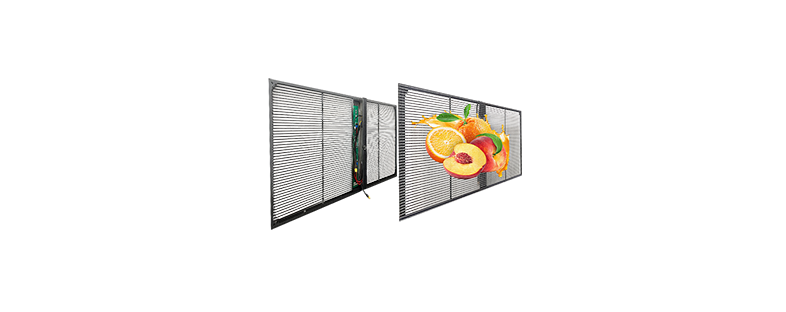
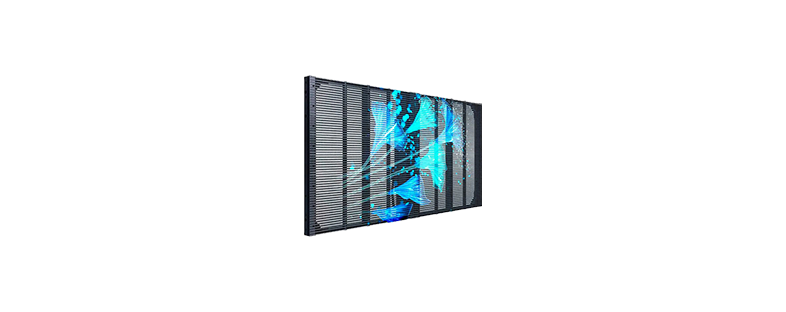
A giant LED screen is a direct-view display assembled from LED modules and cabinets. The cabinets connect to create the required size, while a control system sends video or image data to the screen. Unlike a television, it is not limited to a standard panel. Unlike a projector, it needs no clear light path.
Why Does the Modular Structure Matter?
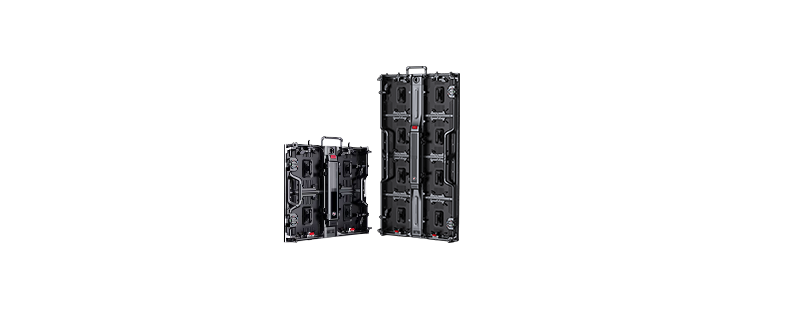
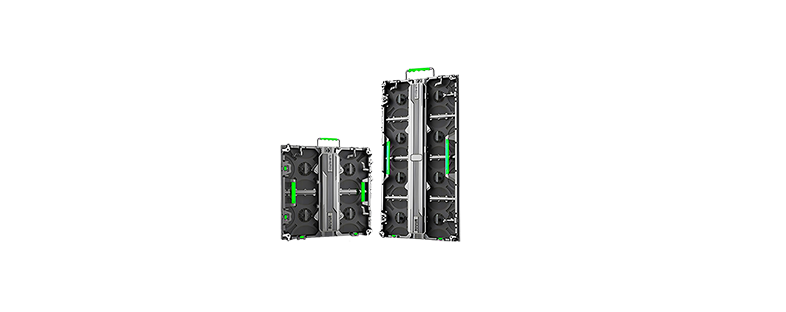
Modular construction suits stages, stadiums and custom walls. It also changes repairs. A technician can often replace a module or power component instead of removing the whole display. That sounds minor until the screen sits ten meters above the ground.
Where Can You Use a Giant LED Screen?
A business may run advertising every day, while an individual may need a screen for one evening. That usage pattern should guide the product.
Outdoor Advertising and Public Venues
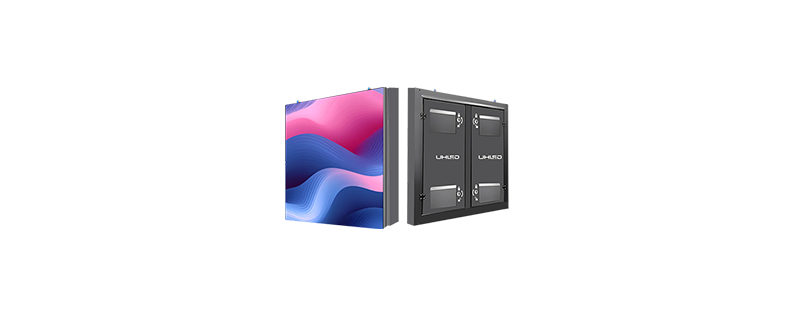
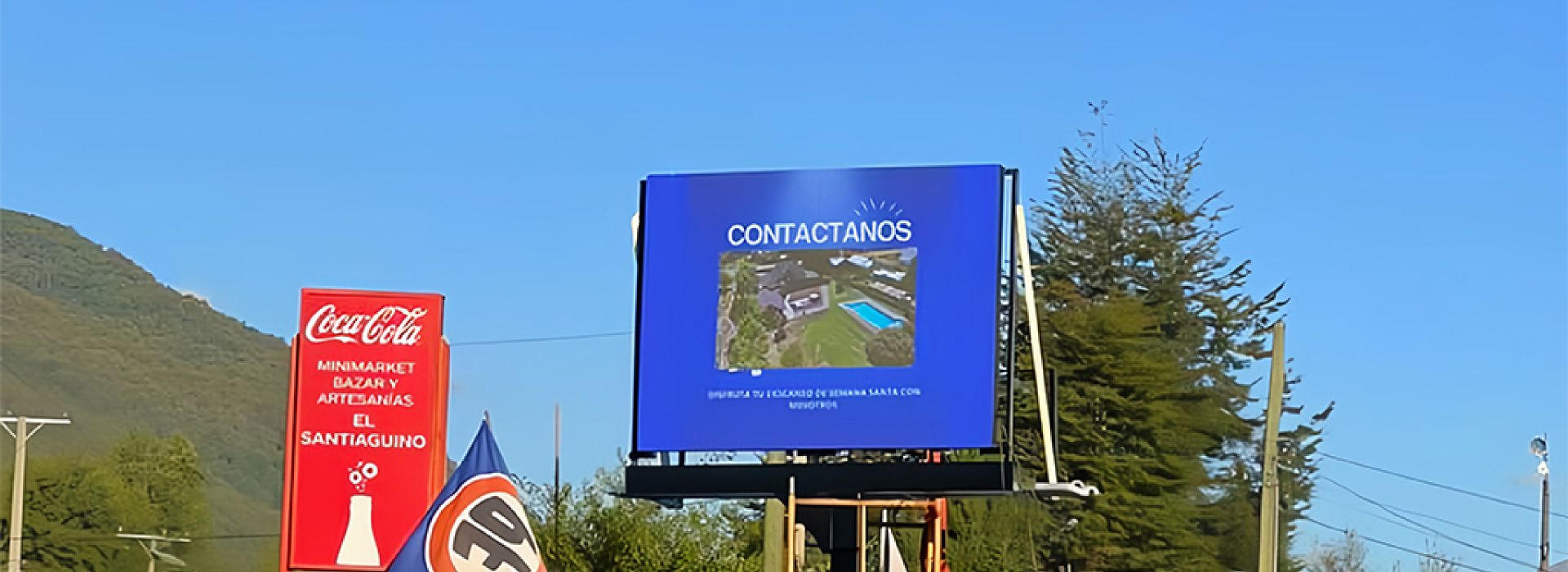
Billboards, stadiums, transport sites and shopping mall exteriors need an IP66 outdoor LED display built for strong light and changing weather. One listed aluminum-cabinet product offers front-and-back IP66 protection, more than 6,000 cd/m2 brightness and pixel pitches from P4 to P10. Those figures suit long viewing distances, but they would be excessive for a small indoor room.
Events, Weddings and Private Celebrations
Concerts and corporate launches may use a giant LED screen as a stage background. Weddings and private parties often use one for live camera feeds or photo slideshows. The nearest guest matters more than the guest count. Coarse pixels that look acceptable from the back may be obvious five meters away.
How Do You Choose Between Indoor and Outdoor LED Displays?
Indoor and outdoor screens may look similar in photographs, yet they solve different problems. Weather protection, brightness, pixel pitch and maintenance access should match the actual site.
Match Brightness and Protection to the Location
Outdoor LED display systems need daylight visibility, protection against rain and dust, and a sound support structure. Indoors, very high brightness can be tiring when people stand nearby. A lower figure is not automatically a weakness. Sometimes it is the right fit.
Choose Pixel Pitch from the Viewing Distance
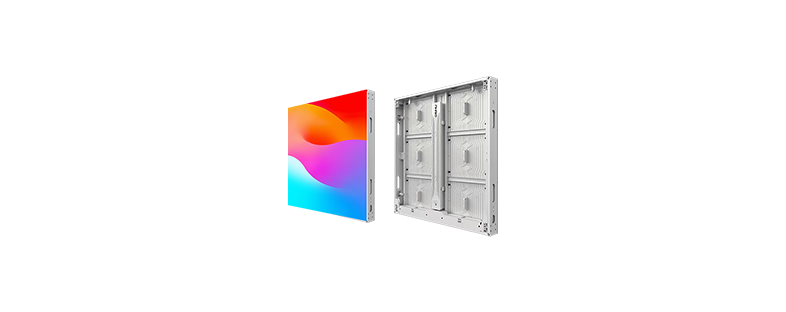
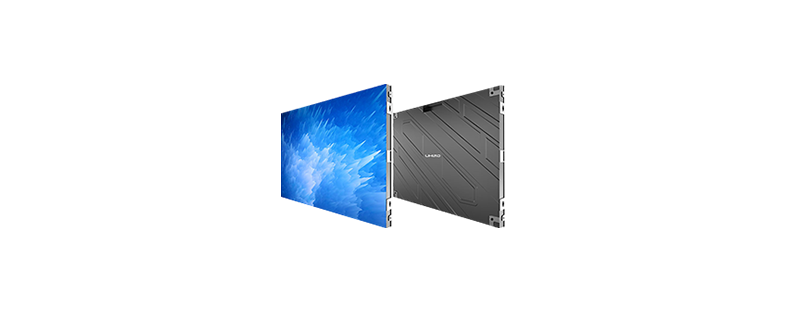
Pixel pitch is the distance between adjacent pixels. A smaller pitch gives a smoother close-range image but usually costs more. A fine-pitch indoor LED display listed on the official site covers P1.25 to P2.5 and uses magnetic front maintenance. That access helps when the screen sits against a wall with no service corridor.
Which LED Display Specifications Matter Most?
Specification sheets make every number look urgent. Only a few deserve most of your attention.
Screen Size, Ratio and Resolution
Start with the content. Standard video often fits 16:9, while stage scenery may need a custom ratio. Physical size does not reveal resolution. Two screens covering the same wall can have very different pixel counts.
Refresh Rate and Camera Use
A screen may look fine to your eyes but show bands on a camera. Ask about refresh rate for livestreams, wedding films or televised events. Tell the supplier what cameras and frame rates the production team plans to use.
Cabinet Weight and Service Access
Rental crews care about cabinet weight, locks and fast assembly. Fixed installations depend more on structure, cable routes and safe maintenance. Front service saves space; rear service works well when an access corridor already exists.
How Much Does a Giant LED Screen Cost?
There is no useful single price for a giant LED screen. Cost changes with area, pixel pitch, cabinet material, control equipment and support structure. Installation, power distribution, transport and spare modules can shift the final figure. A low equipment quote that excludes them is not a low project cost.
Should You Buy or Rent a Giant LED Screen?
Buying makes sense for a stadium, store or advertising site that runs the screen regularly. Renting is usually more practical for a wedding, temporary exhibition or one-off performance, and it places setup and dismantling with an experienced crew.
For temporary stages, ask whether the rental LED display system supports the planned hanging or stacking method. Confirm that the package includes controllers, cabling, spare modules and on-site technical support. Otherwise, the attractive day rate may grow rather quickly.
What Should You Check Before Ordering an LED Display?
Send practical site details before asking for a final quotation:
-
Installation location and available dimensions
-
Indoor or outdoor use
-
Nearest and typical viewing distances
-
Video, advertising or live-camera content
-
Fixed, stacked or suspended installation
-
Front or rear maintenance access
-
Daily operating hours and available power
-
Purchase period or rental dates
A photograph, simple site drawing and viewing-distance estimate can prevent more mistakes than a long email full of preferred specifications.
Is a Giant LED Screen Right for You?
A giant screen is useful when many people need a clear view or the required size exceeds standard panels. For a small room, a television or projector may be simpler. For outdoor advertising, busy venues and large events, a properly selected LED display can be the better long-term tool.
UHLED supplies indoor, outdoor and rental LED display products. Its official information describes a manufacturing facility of about 5,000 square meters, annual capacity of 120,000 square meters, more than 40 product certificates and invention patents, plus pre-sales and after-sales teams. Those capabilities matter when a large screen needs matching cabinets, controls, installation planning and later technical support.
You can discuss your LED display project by providing the site dimensions, viewing distance, environment, content and expected operating schedule. These basics make the first recommendation far more useful.
FAQ
These quick answers cover the questions buyers usually raise before comparing models or quotations.
Q1: How Big Can a Giant LED Screen Be?
A: Modular construction allows many sizes. Practical limits come from the structure, viewing distance, power supply, installation method and budget.
Q2: What Pixel Pitch Is Best for a Large LED Display?
A: It depends mainly on the nearest viewer. Close audiences usually need a smaller pitch, while distant outdoor audiences can use a larger one.
Q3: Can a Giant LED Screen Be Used Outdoors?
A: Yes, if it is designed for outdoor brightness, rain, dust, temperature changes and the site’s structural loads. Check both IP ratings.
Q4: Is It Better to Buy or Rent an LED Display?
A: Buy for frequent or permanent use. Rent for weddings, temporary events and short campaigns, particularly when transport and setup are also needed.
Q5: What Information Is Needed for an LED Display Quote?
A: Provide screen dimensions, location, viewing distance, installation type, content, operating hours, power conditions and service needs.


