









LED vs. OLED Displays An Analysis of Technologies, Applications, and Distinctions

Choosing between an LED screen and an OLED display should begin with the installation, not a showroom image. A home cinema, retail wall, and outdoor billboard need different brightness, dimensions, service access, and operating schedules.
OLED suits close viewing in controlled indoor light. Direct-view LED, meaning a display formed by visible LED pixels rather than an LCD backlight, is often the practical choice for large formats, bright venues, outdoor sites, and custom structures.
What Matters Most When Comparing LED and OLED?
The useful comparison is not limited to black level or contrast. Screen size, ambient light, viewing distance, runtime, repair access, and content type often matter more.
Installation Conditions
OLED panels work well in living rooms, gaming spaces, studios, and smaller premium displays. Their fixed sizes make planning simple when one standard panel fits the room.
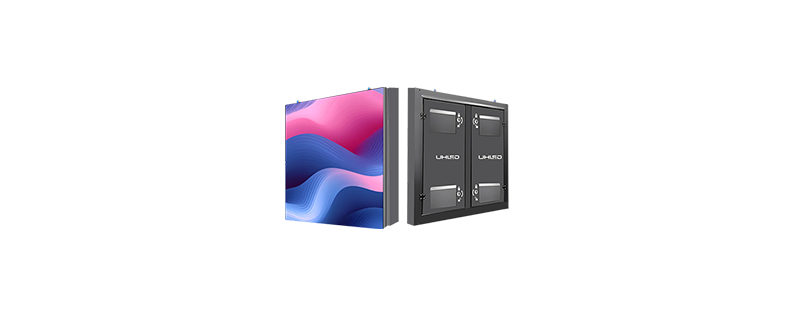
A direct-view LED screen can be built from modules and cabinets to match a wall, stage, façade, column, corner, or suspended frame. Outdoor versions may use sealed cabinets and higher ingress protection, which describes resistance to dust and water.
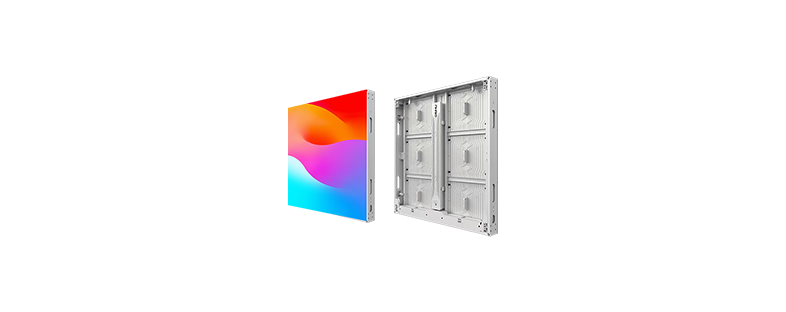
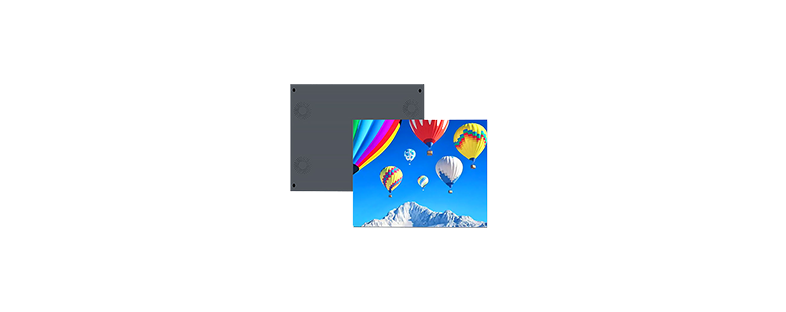
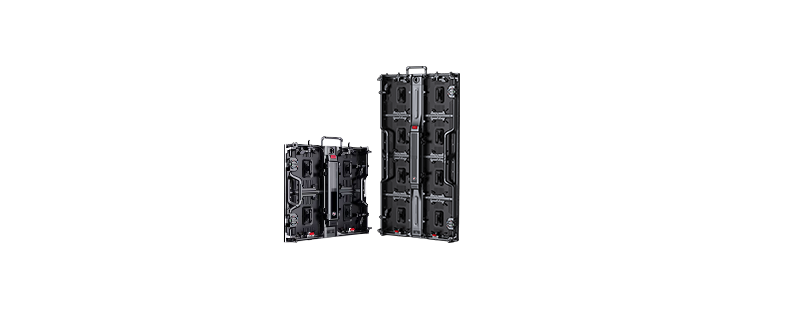
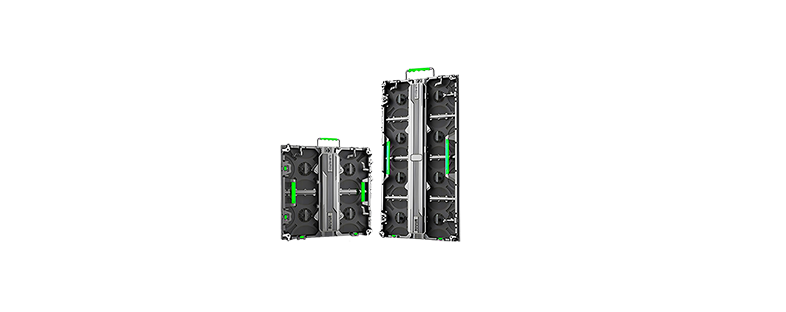
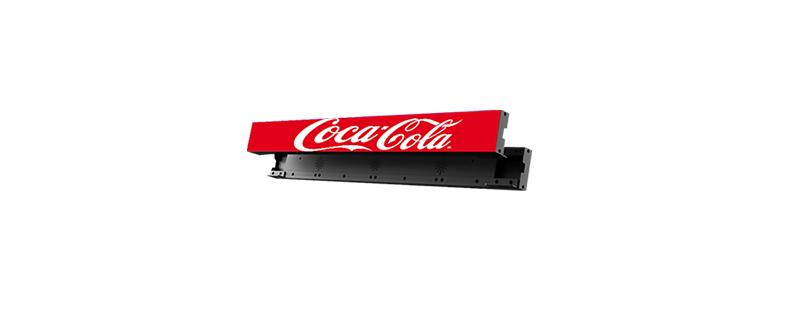
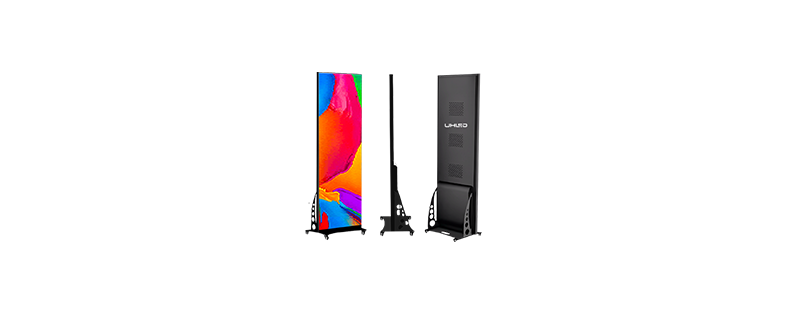
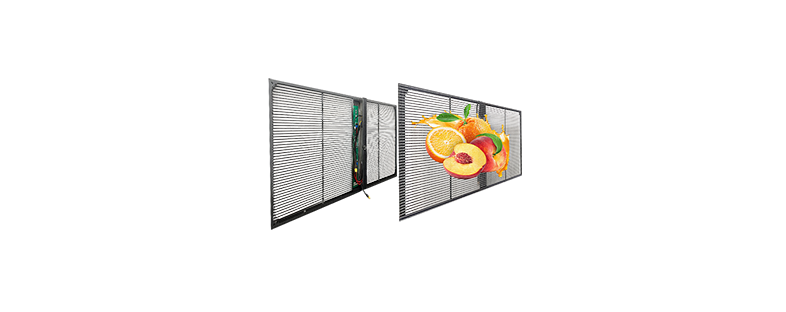
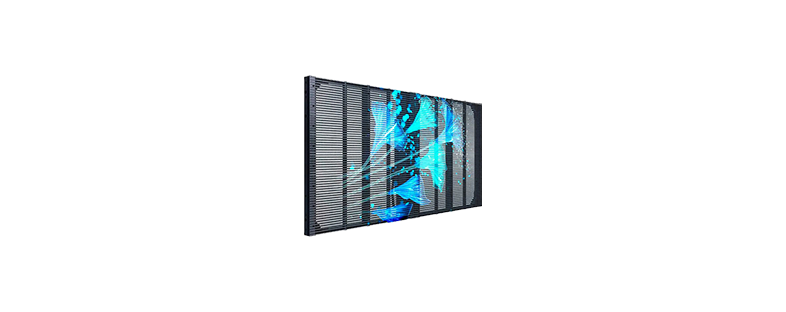
The commercial LED display range covers indoor, outdoor, rental, poster, transparent, shelf, and cube formats.
Operating Time and Service Access
Commercial screens may run much longer than home displays. Heat, brightness, ventilation, power quality, and weather all affect component life.
LED modules, power supplies, and control parts can normally be replaced separately. Product documentation lists a service life of up to 100,000 hours, although actual life depends on site conditions and maintenance.
LED Screen vs. OLED: What Are the Practical Differences?
OLED concentrates on close-range image quality. Direct-view LED concentrates on scale, brightness, flexible construction, and replaceable hardware.
| Buying Factor | Direct-View LED Screen | OLED Display |
|---|---|---|
| Typical Setting | Bright indoor areas and outdoor sites | Controlled indoor rooms |
| Size | Modular and customizable | Fixed panel sizes |
| Brightness | Suitable for strong ambient light | Better in moderate indoor light |
| Black Level | Depends on product and calibration | Very deep blacks |
| Shape | Flat, curved, corner, cube, or irregular | Mainly flat |
| Maintenance | Individual parts can be replaced | Panel-level repair may be required |
Brightness and Viewing Distance
A bright shop window or public venue can wash out a display that performs well in a dark room. Direct-view LED screens can be configured for stronger ambient light, while brightness control allows output to change between day and night.
OLED retains an advantage in dark scenes and close viewing. With LED, image detail depends on pixel pitch, the distance between adjacent pixels. A smaller pitch supports shorter viewing distances but usually raises cost.
Size, Shape, and Installation
OLED is straightforward when a standard screen size meets the need. LED becomes more useful when the display must cover a large wall, follow a corner, hang above an audience, or use an unusual aspect ratio.
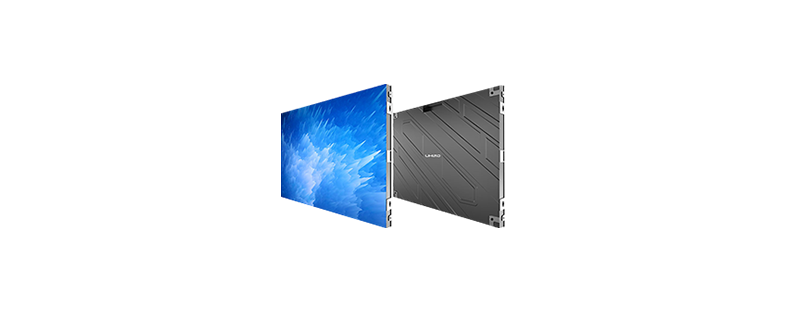
An indoor fine-pitch LED display suits meeting rooms, control spaces, and premium interiors where viewers stand closer. For exposed sites, an IP66 aluminum cabinet is intended for demanding outdoor conditions.
Where Does an LED Screen Make More Commercial Sense?

Direct-view LED is usually the stronger fit when visibility, scale, serviceability, or custom construction matters more than dark-room contrast.
Outdoor Advertising and Public Displays
Outdoor screens face rain, dust, humidity, temperature changes, and direct sunlight. Cabinet sealing, heat dissipation, brightness, structural support, and maintenance access need to be specified together.
Scheduled brightness adjustment can limit glare at night. The structure should also leave safe access for module, power, and signal work.
Retail, Corporate, and Event Use
Retail screens need readable content and dimensions that suit the store. Corporate displays need stable signal control, clear text, low noise, and planned service access.
Rental screens have different priorities: cabinet weight, quick-lock hardware, refresh rate, transport protection, and camera performance. A screen may look stable to the eye yet show flicker when filmed.
Creative installations can use corners, curves, columns, or a four-sided cube LED display where viewers approach from several directions.
What Should You Check Before Ordering an LED Screen?
A reliable quotation needs the installation location, target dimensions, nearest viewing distance, lighting conditions, content type, daily operating time, and preferred maintenance method.
Confirm pixel pitch, brightness, refresh rate, cabinet material, front or rear service, power layout, signal routing, ventilation, and spare parts. A wall with no rear passage may require front-access modules.
Warranty terms should state what is covered, how replacement parts are supplied, and what technical support is available.
Which Display Fits Your Project?
Choose OLED for a fixed-size indoor screen, close viewing, deep blacks, gaming, home cinema, or individual work.
Choose a direct-view LED screen for large images, bright spaces, outdoor use, custom dimensions, replaceable modules, or creative shapes. The correct choice follows the site, content, and service plan rather than a single image-quality figure.
A Supplier for Custom LED Screen Projects
Shenzhen Uhled Technology CO., LTD, operating under the UHLED brand, combines product development, manufacturing, sales, project planning, and technical support. Its product scope includes indoor and outdoor LED screens, rental displays, shelf displays, posters, transparent screens, and irregular formats.
The company lists eight project engineers who can support overseas projects. Its documentation also states a five-year warranty, with replacement parts available on a paid basis after that period.
FAQ
Q1: Is an LED Screen Better Than OLED for Outdoor Use?
A: Usually. Outdoor LED screens can provide higher brightness, weather-resistant cabinet options, scalable dimensions, and replaceable modules.
Q2: Which Display Is Better for a Large Video Wall?
A: Direct-view LED is generally more practical because modular cabinets can form the required width, height, and aspect ratio.
Q3: How Do You Choose Pixel Pitch?
A: Use the nearest regular viewing distance. Smaller pitch suits closer viewing, while larger pitch can reduce cost for distant audiences.
Q4: Does OLED Have Better Picture Quality?
A: OLED usually provides deeper blacks in controlled lighting. LED offers more brightness, scale, and installation freedom.
Q5: What Information Is Needed for a Quote?
A: Provide the site, dimensions, viewing distance, lighting, content type, operating hours, installation method, and maintenance access.


