
-
شاشة LED في الهواء الطلق
شاشة LED في الهواء الطلق
-
شاشة LED داخلية
شاشة LED داخلية
-
استئجار شاشة LED
استئجار شاشة LED
-
رف شاشة LED
رف شاشة LED
-
ملصق شاشة LED
ملصق شاشة LED
-
كوب شاشة LED
كوب شاشة LED
-
فيلم LED مرن
فيلم LED مرن
-
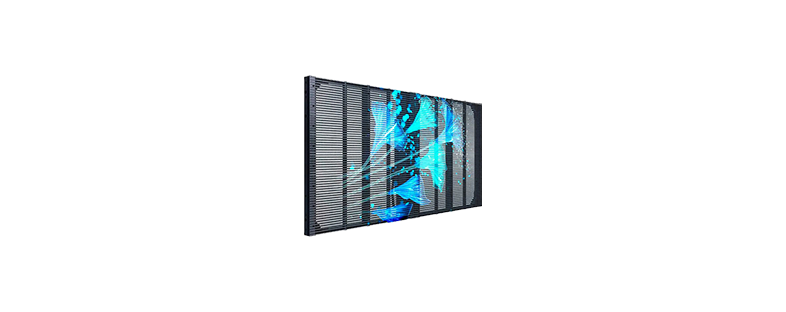
شاشة LED شفافة
شاشة LED شفافة
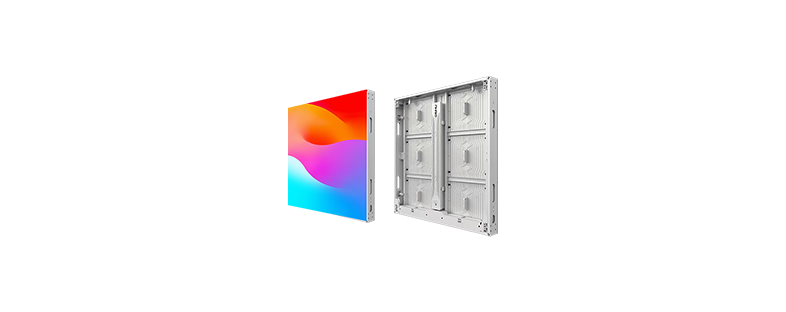
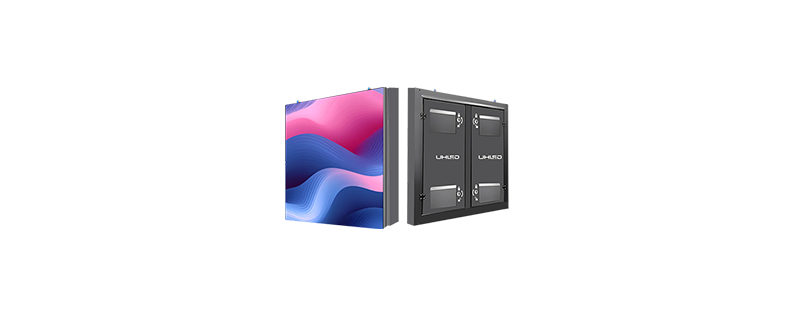
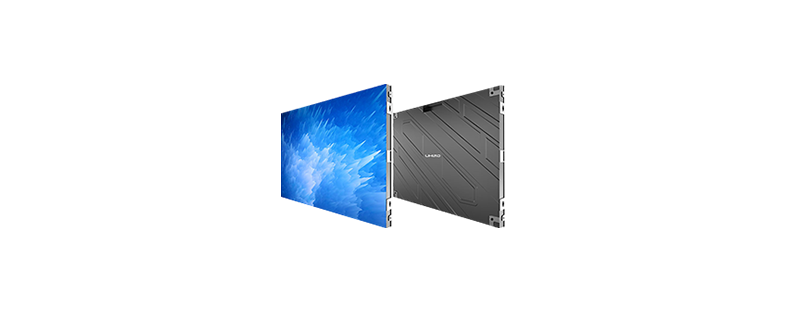





عائد الاستثمار في تأجير شاشات LED: كيف يمكن لشركات تأجير المعدات السمعية والبصرية تقليل تكاليف الصيانة وزيادة الأرباح على المدى الطويل
بالنسبة لشركات تأجير المعدات السمعية والبصرية، عائد الاستثمار في شاشات LED للإيجار لا يتحدد السعر بالسعر وحده. قد تبدو شاشة LED منخفضة التكلفة جذابة عند الشراء، لكن التكلفة الحقيقية تظهر بعد أشهر من النقل والتركيب والتفكيك والإصلاحات وقطع الغيار ومشاكل خدمة العملاء. في مجال تأجير معدات الفعاليات، لا تُعد شاشة LED مجرد جهاز، بل هي أصل مُدرّ للدخل يجب أن يعمل بكفاءة عالية في المؤتمرات والمعارض والحفلات الموسيقية وإطلاق المنتجات والعروض الخارجية وتركيبات المسارح المؤقتة.
تُساعد شاشات LED المتينة المُخصصة للتأجير شركات التأجير على حماية أرباحها بطريقة عملية. فهي تُقلل من طلبات الصيانة، وتُحافظ على سير المشاريع وفق الجدول الزمني المُحدد، وتُخفف من ضغط قطع الغيار، وتُمكّن نفس مخزون الشاشات من خدمة المزيد من الفعاليات المدفوعة على مدى دورة حياة أطول. بالنسبة للمشترين الذين يُقارنون بين مُوردي شاشات LED المُخصصة للتأجير، فإن السؤال الأهم ليس "أي شاشة هي الأرخص؟" بل "أي شاشة ستستمر في تحقيق الأرباح مع عدد أقل من الأعطال على مدى السنوات الثلاث إلى الخمس القادمة؟"
لماذا يُعد سعر الشراء جزءًا واحدًا فقط من عائد الاستثمار في تأجير شاشات LED؟
في مجال تأجير المعدات السمعية والبصرية، تُعامل شاشات LED بقسوة أكبر بكثير من الشاشات الثابتة. تُحمّل في صناديق نقل، وتُنقل بين المواقع، وتُرفع، وتُكدّس، وتُحاذى، وتُوصل، وتُعبأ مرة أخرى، ثم تُشحن إلى الموقع التالي. قد تُسبب الشاشة التي تعمل بشكل جيد في صالة العرض مشاكل إذا كان هيكلها ضعيفًا، أو نظام التوصيل غير مستقر، أو استغرقت صيانتها وقتًا طويلاً أثناء العرض المباشر.
لهذا السبب تُعدّ التكلفة الإجمالية للملكية مهمة. فشاشة LED للإيجار، ذات سعر ابتدائي أعلى قليلاً، قد تُحقق قيمة أكبر على المدى الطويل، إذ تُقلل من وقت التوقف، وتحافظ على جودة الصورة، وتبقى جاهزة للتأجير في مشاريع أكثر. على سبيل المثال، قد تُحقق شاشة عرض فيديو LED بمساحة 20 مترًا مربعًا، تُستخدم في فعاليات الشركات مرتين شهريًا، قيمة أكبر بكثير من شاشة أرخص سعرًا تفقد حجوزاتها بسبب أعطال متكررة في وحداتها أو ضعف أدائها في الموقع.
ينبغي لشركات تأجير المعدات السمعية والبصرية أن تنظر إلى كل عملية شراء لشاشات LED من منظور استمرارية الإيرادات. فالمعدات المستقرة تدعم حجوزات مستقرة، والحجوزات المستقرة بدورها تدعم هوامش ربح أفضل.
التكاليف الخفية لشاشات LED المستأجرة منخفضة الجودة
غالبًا ما تتسبب شاشات LED المستأجرة منخفضة الجودة في تكاليف غير واردة في عرض السعر الأولي. وأبرز هذه التكاليف هي تكاليف الصيانة. فوحدات LED التالفة، ووصلات الإشارة غير المحكمة، وعدم اتساق الألوان، ووحدات البكسل الميتة، وأقفال الخزائن الضعيفة، كلها تتطلب وقتًا من الفنيين وقطع غيار. وعلى مدار موسم فعاليات كامل، قد تتحول هذه المشاكل الصغيرة إلى خسارة كبيرة في الأرباح.
تُعدّ تكلفة العمالة عاملاً رئيسياً آخر. فعندما يستغرق تركيب جدار LED المستأجر وقتاً أطول، أو ضبطه، أو إصلاح أعطاله، يقضي فريق العمل ساعات إضافية في الموقع. وفي الأسواق التي تكون فيها تكلفة العمالة في الفعاليات مرتفعة، حتى ساعة إضافية واحدة لكل عملية تركيب قد تؤثر على هوامش الربح للمشروع. كما أن عملية التركيب المعقدة تزيد الضغط خلال الجداول الزمنية الضيقة، خاصةً عندما لا يسمح مكان الفعالية إلا بفترة تحميل قصيرة.
لكن التكلفة الأكبر قد تنجم عن مخاطر الفعاليات. فتعطل الشاشة أثناء مؤتمر أو عرض مسرحي أو إطلاق علامة تجارية قد يؤدي إلى شكاوى العملاء وطلبات استرداد الأموال وفقدان فرص تكرار التعامل. وتعتمد شركات التأجير بشكل كبير على سمعتها، لذا فإن جدار فيديو LED موثوق به يساعد في حماية هذه السمعة، بينما قد تتسبب المعدات غير المستقرة في الإضرار بها بسرعة.
يؤدي قصر عمر الأصول إلى انخفاض العائد على الاستثمار. فإذا دخلت الشاشة مرحلة تتطلب صيانة مكثفة بعد عدد محدود من المشاريع، فقد تضطر شركة التأجير إلى استبدالها قبل الموعد المحدد. ويؤدي هذا الاستبدال المبكر إلى زيادة الضغط على رأس المال وإضعاف الربحية على المدى الطويل.
لماذا تُعدّ المتانة مفتاحًا لتحقيق عائد استثمار أفضل في تأجير شاشات LED؟
لا تُعدّ المتانة مجرد ميزة للمنتج، بل هي أداة لحماية أعمال شركات تأجير المعدات السمعية والبصرية. شاشة عرض LED متينة للإيجار يدعم الاستخدام المتكرر، والنقل المتكرر، والتركيب السريع، والتشغيل المستقر في بيئات الأحداث المتغيرة.
يساهم الهيكل المتين للخزانة في تقليل التلف المادي أثناء التحميل والتكديس والتفكيك. كما يضمن تصميم التوصيلات الآمنة محاذاة الألواح وثباتها أثناء الاستخدام. ويدعم نظام التبريد الفعال ساعات تشغيل طويلة، وهو أمر بالغ الأهمية للمعارض والمهرجانات والمؤتمرات التي تستمر لعدة أيام. وتوفر شاشة العرض، التي يمكن استخدامها في تطبيقات التأجير الداخلية والخارجية، مرونة أكبر لشركات التأجير في الحجز باستخدام نفس المخزون.
تؤثر المتانة أيضًا على رضا العملاء. فعندما توفر لوحات LED سطوعًا ثابتًا، وتشغيل فيديو سلسًا، وألوانًا دقيقة، ووصلات نظيفة، تبدو النتيجة النهائية أكثر احترافية. وهذا يجعل شركة التأجير أكثر جدارة بالثقة في المشاريع الكبيرة. ومع مرور الوقت، يمكن للمعدات الموثوقة أن تساهم في زيادة الطلبات المتكررة من وكالات تنظيم الفعاليات، وشركات الإنتاج، ومقاولي المسارح، وعملاء الشركات.
قد لا تكون شاشة LED المتينة للإيجار هي الخيار الأقل سعرًا دائمًا، ولكنها قد تصبح الخيار الأكثر ربحية عندما تطيل عمر الخدمة وتقلل من المشاكل التي يمكن تجنبها.
أهم الميزات التي يجب البحث عنها في شاشة عرض LED متينة للإيجار
هيكل خزانة قوي
يجب أن تُصمَّم خزائن شاشات LED المُؤجَّرة بحيث تتحمل النقل. فالخزانة المتينة تحمي وحدات LED أثناء النقل، وتُسهِّل محاذاة الشاشة أثناء التركيب. بالنسبة لشركات التأجير، تؤثر جودة الخزانة على كلٍّ من معدل التلف وسرعة التركيب. يُعدّ التصميم خفيف الوزن مفيدًا، لكن لا يُمكن إغفال المتانة. فاللوحة سهلة الحمل ولكنها قابلة للتشوه بسهولة قد تُسبِّب مشاكل أكبر في الموقع.
تركيب سريع واتصال آمن
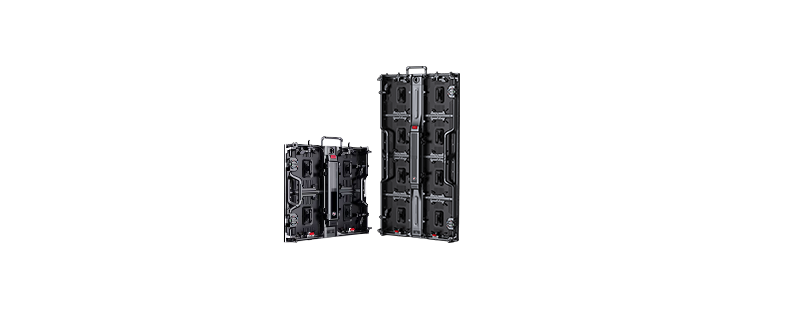
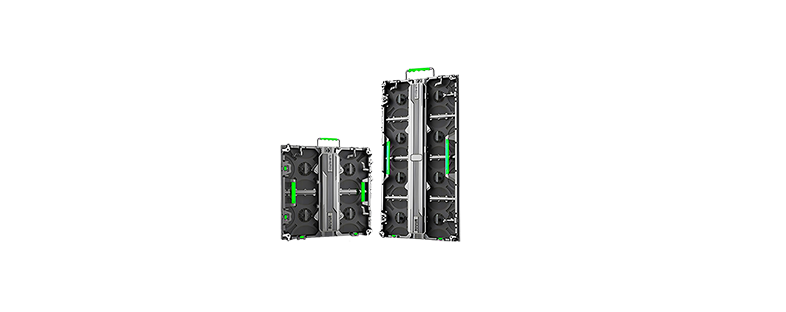
غالبًا ما تعمل فرق تنظيم الفعاليات ضمن جداول زمنية ضيقة. لذا، يجب أن تدعم شاشات LED المُؤجرة سرعة التركيب، والتثبيت المحكم، والمحاذاة الدقيقة، والتعليق أو التكديس الآمن. تشمل فئة شاشات LED المُؤجرة من UHLED منتجات ذات وصلات صلبة، تتميز بتصميم هيكلي جديد يلبي متطلبات الرفع والتكديس، ويدعم الاستخدام الداخلي والخارجي. يُعد هذا النوع من الهياكل مناسبًا بشكل خاص للفعاليات المسرحية، والتركيبات المؤقتة، والمعارض، ومشاريع تأجير جدران الفيديو LED، حيث تؤثر الكفاءة بشكل مباشر على تكلفة العمالة.
مرونة داخلية وخارجية
نادراً ما تقتصر شركات تأجير المعدات السمعية والبصرية على نوع واحد من الأماكن. فقد يشمل أسبوعٌ ما مؤتمراً في قاعة احتفالات، بينما قد يكون المشروع التالي عرضاً خارجياً أو جناحاً في معرض تجاري. ويمكن لشاشات LED المؤجرة، التي تدعم سيناريوهات استخدام أوسع، أن تساعد الشركات على زيادة الاستفادة من مخزونها. وتتيح مرونة الاستخدام الداخلي والخارجي للشركة نفسها تلبية طلبات المزيد من العملاء دون الحاجة إلى شراء أنظمة شاشات منفصلة كثيرة.
أداء مستقر وتبديد الحرارة
يُعدّ الأداء المستقرّ ضروريًا خلال أيام الفعاليات الطويلة. فضعف التحكم في الحرارة قد يزيد من خطر الأعطال، أو تغيّر الألوان، أو عدم اتساق السطوع. يصف موقع UHLED الإلكتروني هيكلها المصنوع من الألومنيوم والمُصنّف بمعيار IP65 بأنه يجمع بين انخفاض توليد الحرارة، وتبديدها بكفاءة، وتوفير الطاقة، والقدرة على التكيّف مع الظروف الجوية القاسية. وبينما تختلف متطلبات المشاريع، يبقى تبديد الحرارة ومقاومة الظروف الجوية من أهمّ عوامل الشراء لشاشات LED المُستأجرة المستخدمة في البيئات الصعبة.
سهولة الصيانة ودعم الموردين
تُعدّ سرعة الصيانة عاملاً بالغ الأهمية في عمليات التأجير. فعندما يحتاج أحد المكونات إلى استبدال، يجب أن يكون الفنيون قادرين على التصرف بسرعة. تُقلّل الصيانة السهلة من وقت التوقف عن العمل، وتُبقي المزيد من شاشات العرض متاحة للحجوزات. كما يلعب دعم المورّد دورًا هامًا. إذ يُمكن لشركة تصنيع ذات قدرة إنتاجية مستقرة، وشروط ضمان واضحة، وخدمة فنية سريعة الاستجابة، أن تُساعد شركات التأجير على إدارة مخاطر التشغيل طويلة الأجل بشكل أكثر فعالية.
كيفية حساب عائد الاستثمار لتأجير شاشات LED قبل الشراء
ينبغي أن تبدأ حسابات العائد على الاستثمار العملية بإيرادات الإيجار السنوية المتوقعة. يمكن للمشترين تقدير متوسط سعر الإيجار للمتر المربع، وعدد أيام الإيجار شهريًا، ومعدل الاستخدام المتوقع على مدار العام. الشاشة المستخدمة بكثرة والمحافظ عليها بحالة جيدة تسترد تكلفتها أسرع من المعدات التي تبقى دون استخدام بسبب مشاكل الصيانة المتكررة.
تتمثل الخطوة التالية في تقدير التكلفة الإجمالية للملكية. ويشمل ذلك تكلفة الشراء، وقطع الغيار، وأجور الصيانة، وأضرار النقل، والتخزين، ومكونات الطاقة، والاستهلاك. وللحصول على صورة أكثر واقعية، ينبغي لشركات تأجير المعدات الصوتية والمرئية حساب التكاليف على مدى ثلاث إلى خمس سنوات بدلاً من السنة الأولى فقط.
تُعدّ فترة استرداد التكلفة عاملاً مهماً أيضاً. فإذا غطّت شاشة LED المُؤجّرة تكلفتها بعد عدد معقول من المشاريع، واستمرت في تحقيق الإيرادات بعد ذلك، فإنها تُصبح أصلاً أكثر قيمة. مع ذلك، لا يقتصر استرداد التكلفة على الدخل فقط. فالشاشة التي تُقلّل من الإصلاحات الطارئة، وتُخفّض ساعات عمل الفنيين، وتمنع استياء العملاء، يُمكنها تحسين عائد الاستثمار حتى لو كانت الفاتورة الأولية أعلى.
لماذا تدعم شاشات UHLED LED المستأجرة قيمة التأجير على المدى الطويل؟
UHLED هي شركة تصنيع شاشات LED مقرها شنتشن، تأسست عام 2015. وفقًا لصفحة "نبذة عنا" على موقع الشركة، يمتد مصنعها على مساحة 5000 متر مربع تقريبًا، بطاقة إنتاجية سنوية تبلغ 120,000 متر مربع، مع ضمان لمدة 5 سنوات. كما تُشير الشركة إلى امتلاكها أكثر من 40 شهادة منتج وبراءة اختراع، بما في ذلك شهادات CB وETL وCE وRoHS وFCC.
بالنسبة لمشتري شاشات LED المستأجرة، تُعدّ هذه التفاصيل بالغة الأهمية، لأنّ قوة المورّد تؤثر على تكلفة الملكية على المدى الطويل. تحتاج شركات التأجير إلى أكثر من مجرد ألواح، فهي تحتاج إلى تصنيع متسق، وإرشادات حول المنتج، ودعم فني، وخدمة ما بعد البيع موثوقة. تُقدّم UHLED نفسها كشريك في مجال شاشات LED للشركات، وتُوفّر حلول LED مُخصصة لتطبيقات مُختلفة، مثل الفعاليات المسرحية، والإعلانات الخارجية، والتركيبات الثابتة الداخلية، ومشاريع عرض المنتجات في متاجر التجزئة.
بالنسبة لشركات تأجير المعدات السمعية والبصرية، وفرق إنتاج الفعاليات، وموردي منصات العرض، وشركات تأجير شاشات LED، صُممت شاشات UHLED LED المُخصصة للإيجار لتلبية احتياجات الاستخدام المتكرر في المشاريع، ومتطلبات الرفع والتكديس، ومتطلبات الفعاليات الداخلية والخارجية. وهذا ما يجعل UHLED خيارًا مثاليًا للشركات التي تبحث عن حلول شاشات LED متينة للإيجار ذات قيمة تجارية طويلة الأمد.
استنتاج
شاشة عرض LED للإيجار في جمهورية أيرلندا لا يقتصر الأمر على سعر الشراء الأولي فحسب، بل يتأثر الربح طويل الأجل لشركات تأجير المعدات السمعية والبصرية بتكاليف الصيانة، وكفاءة التركيب، وموثوقية الفعاليات، وعمر المعدات، ودعم الموردين. ويمكن لشاشة LED متينة للتأجير أن تقلل من التلف المادي، وتخفض من وتيرة الإصلاح، وتحسن جاهزية المشاريع، وتساعد شركات التأجير على خدمة عدد أكبر من الفعاليات بنفس المعدات.
إن شاشة LED الأكثر ربحية للإيجار ليست بالضرورة الأرخص سعراً، بل هي الشاشة التي تستمر في العمل، وتدرّ ربحاً مستمراً، وتحافظ على ثقة العملاء على مر سنوات من الاستخدام المتكرر.
أسئلة متكررة
س1:كيف تحسب شركات تأجير الأجهزة السمعية والبصرية عائد الاستثمار في تأجير شاشات LED؟
أ1: تحسب شركات تأجير أجهزة الصوت والصورة عائد الاستثمار لشاشات LED المؤجرة من خلال مقارنة الإيرادات من الفعاليات المدفوعة بإجمالي تكاليف الملكية. تشمل هذه التكاليف سعر الشراء، والصيانة، وقطع الغيار، والعمالة، وأضرار النقل، والتخزين، والاستهلاك. وللحصول على حساب أكثر دقة، ينبغي مراجعة دورة حياة الأصل كاملةً (من ثلاث إلى خمس سنوات) بدلاً من الاقتصار على موسم الاستخدام الأول فقط.
Q2:لماذا تزيد تكلفة صيانة شاشة LED المستأجرة مع مرور الوقت؟
قد تكون تكلفة صيانة شاشة LED المستأجرة أعلى على المدى الطويل بسبب النقل المتكرر، وإعادة التركيب، وتلف الوحدات، والوصلات غير المحكمة، والإجهاد الحراري، وتقادم المكونات. إذا لم يكن هيكل الخزانة أو نظام التوصيل قويًا بما يكفي للاستخدام في التأجير، فقد يرتفع معدل الإصلاح بسرعة ويقلل من العائد على الاستثمار على المدى الطويل.
س3:ما هي الميزات التي يجب عليّ التحقق منها قبل شراء شاشة عرض LED للإيجار؟
ج٣: قبل شراء شاشة عرض LED للإيجار، ينبغي على المشترين التحقق من متانة الهيكل، وسرعة التركيب، ونظام القفل، وإمكانية الرفع والتكديس، وتبديد الحرارة، والمرونة في الاستخدام الداخلي والخارجي، وسهولة الصيانة، وتوفر قطع الغيار، وضمان المورد. تؤثر هذه العوامل بشكل مباشر على عائد الاستثمار في شاشات عرض LED للإيجار وتكاليف التشغيل على المدى الطويل.
سؤال4:هل تستحق شاشة LED متينة للإيجار سعرًا أوليًا أعلى؟
ج٤: قد يكون سعر شاشة LED المتينة للإيجار أعلى إذا كانت تقلل تكاليف الصيانة، وتقلل من وقت توقف الفعاليات، وتدوم لفترة أطول، وتدعم المزيد من حجوزات الإيجار. بالنسبة لشركات تأجير المعدات السمعية والبصرية، غالبًا ما يحقق الأداء المستقر عبر العديد من المشاريع ربحًا أفضل على المدى الطويل من سعر شراء منخفض مع أعطال متكررة.
س5:كيف يمكن لشاشات العرض LED المستأجرة من UHLED أن تساعد في تقليل تكاليف الصيانة؟
شاشات UHLED LED المُخصصة للتأجير مصممة خصيصًا للفعاليات والتركيبات المؤقتة، مع خيارات تدعم الرفع والتكديس والاستخدام الداخلي والخارجي. وبفضل قدرة UHLED التصنيعية، وضمانها لمدة 5 سنوات، وشهادات منتجاتها، ودعمها الفني، تُساعد هذه الشاشات شركات التأجير على تقليل مخاطر التشغيل وحماية قيمة المعدات على المدى الطويل.


