
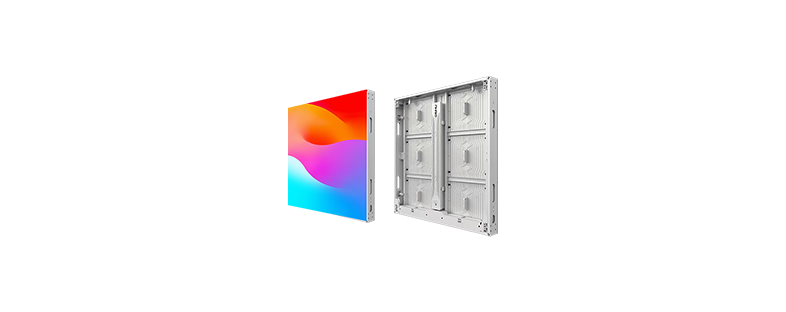
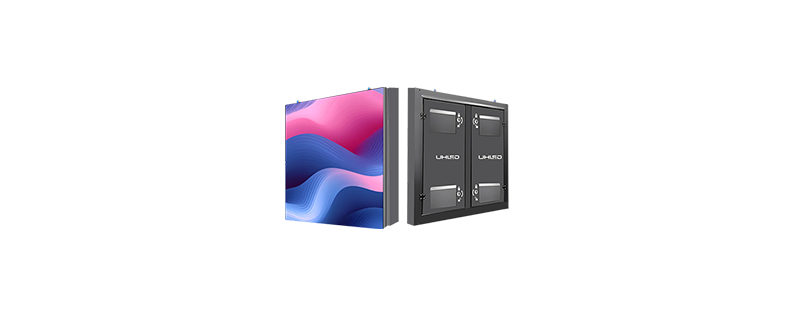
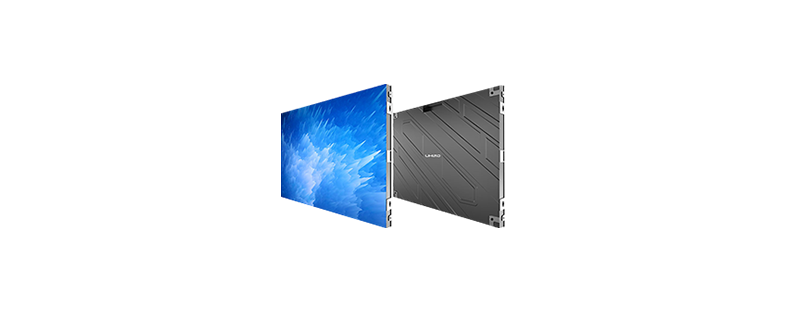
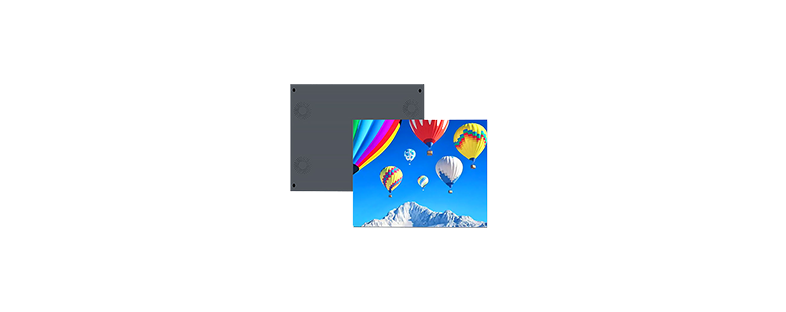









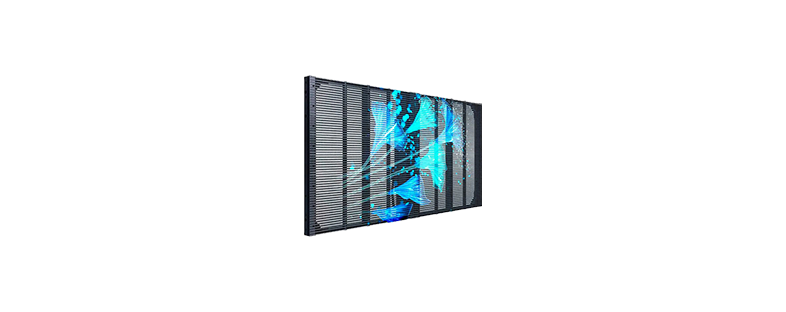
ما هي شاشة فيلم LED؟
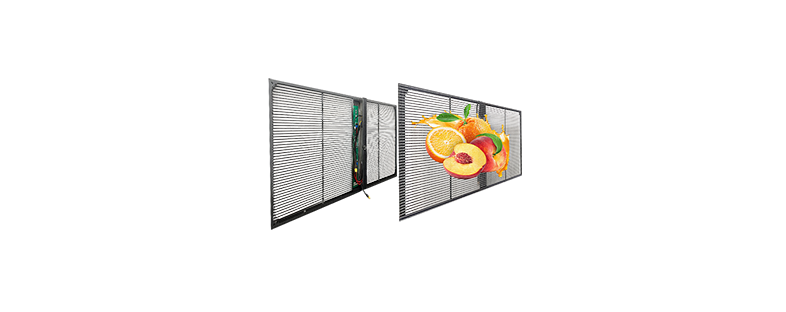
شاشة LED الفيلمية هي شاشة عرض LED شفافة أو مرنة تُستخدم لعرض المحتوى الرقمي على الزجاج أو النوافذ أو أي سطح معماري آخر. تعرض الشاشة الصور والفيديوهات على السطح المُختار.
غالباً ما تتضمن مشاريع البيع بالتجزئة شاشات عرض الأفلام ورفوف العرض. وتخدم هذه الشاشات مواقع مختلفة وتؤدي وظائف عرض متنوعة.
يشرح هذا الدليل أدوار المنتج، وأسئلة الاختيار، ومعلومات التسعير.

ما هي شاشة LED الفيلمية وكيف تعمل؟
تستخدم شاشة LED الفيلمية مكونات LED مرتبة في هيكل عرض رقيق ومرن أو شفاف. يقوم نظام تحكم بإرسال المحتوى إلى الشاشة، مما يسمح بعرض الصور أو مقاطع الفيديو أو العروض الترويجية أو رسائل العلامة التجارية على السطح المحدد.
تعتمد النتيجة على السطح، ومسافة الجمهور، والمحتوى، والنموذج المختار.
فيلم LED شفاف بلغة بسيطة
يُستخدم غشاء العرض الشفاف عندما تتشارك الشاشة المساحة مع الزجاج أو عنصر معماري. شاشة عرض LED شفافة يُظهر التصنيف مسار المنتج المجاور. ولا تزال النافذة أو الواجهة أو الردهة أو هيكل المعرض جزءًا من التخطيط الأولي.
تُدرج شركة UHLED أغشية LED المرنة وشاشات LED الشفافة ضمن فئات منتجاتها. راجع فيلم LED مرن التصنيف عندما يحتاج المشروع إلى مناقشة حول صيغة الفيلم.
لماذا يُعدّ تنسيق الفيلم مهمًا؟
يُثير تنسيق الفيلم أسئلة تخطيطية. تأكد من مكان وضع الشاشة، ومكان وقوف المشاهدين، وكيفية التحكم في المحتوى، وكيف سيصل الفنيون إلى النظام.
يُحدد السطح خطة التركيب والصيانة. يجب أن يتضمن موجز المشروع الواحد الزجاج والهيكل والمحتوى ومسار التحكم.
أين تُستخدم شاشات الأفلام بتقنية LED؟
تظهر شاشات أفلام LED حيث يظل السطح المحيط جزءًا من التصميم. وتعتمد حالة الاستخدام على الهدف البصري ومسار الجمهور.
واجهات المحلات التجارية
يمكن لفرق البيع بالتجزئة استخدام أغشية شفافة لعرض العروض الترويجية أو محتوى العلامة التجارية عبر واجهة المتجر. يجب أن يظل المنتج متناسقًا مع تصميم المتجر، ومسافة المشاهدة، وجدول المحتوى. إذا كان المشروع يضع شاشات العرض بجوار البضائع مباشرةً، فقارن هذا الدور بـ الرف أدى عرض قبل اختيار التنسيق.
يمكن للمنتجين دعم حملة تسويقية واحدة. يُستخدم الفيلم لعرضه على واجهة المتجر أو سطح معماري. أما عرض المنتج على الرف فيُستخدم لعرضه على مستوى المنتج بالقرب من البضائع.
المعارض، والردهات، والفعاليات
يمكن استخدام الأفلام الشفافة لعرض الرسومات في المعارض، والرسائل في ردهات الاستقبال، والعروض المرئية للفعاليات، حيث يظل الهيكل المحيط جزءًا من التجربة. وقد يتطلب الأمر أن يكون المحتوى مناسبًا للأشخاص القادمين من زوايا أو مسافات مختلفة.
سجّل أقرب نقطة مشاهدة واتجاه دخول الجمهور. هذه التفاصيل تُساعد في توجيه تصميم المحتوى ومناقشة دقة الصورة.
شاشة عرض LED وشاشة عرض LED على الرف: أدوار المنتج
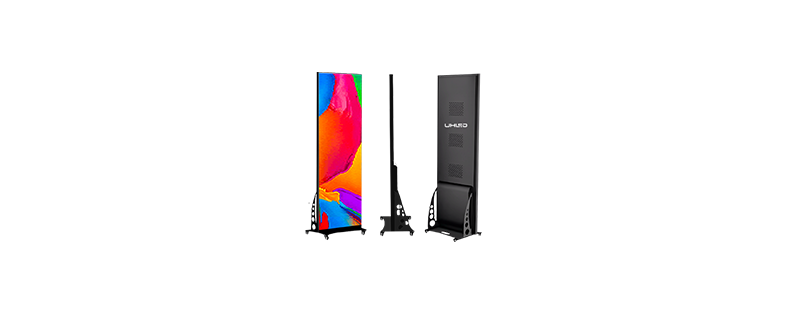
الكلمة المفتاحية "شاشة عرض LED على الرف" تنتمي إلى مسار منتجات البيع بالتجزئة ذي الصلة. وهي تصف عرض المنتجات على مستوى الرف.
تُناسب شاشات LED الفيلمية التركيبات المعمارية الشفافة أو المرنة. أما شاشات LED المثبتة على الرفوف، فتُناسب رفوف المنتجات والممرات ومواقع عرض البضائع بالقرب من المنتج المُراد الترويج له. ويمكن استخدام كلا النوعين في استراتيجية بيع بالتجزئة واحدة، مع اختلاف أسطح التركيب ومسافات المشاهدة.
| احتياجات المشروع | شاشة فيلم LED | شاشة عرض LED للرفوف |
|---|---|---|
| التوظيف الأساسي | نافذة، زجاج، واجهة، ردهة، أو سطح عرض | موضع عرض المنتج على الرف أو الممر أو في الممر |
| مهمة الاتصال الرئيسية | العناصر المرئية للعلامة التجارية، أو العروض الترويجية، أو المحتوى المعماري | معلومات المنتج، والأسعار، والعروض الترويجية، أو التوصيات |
| مدخلات التخطيط الرئيسية | السطح، والشفافية، ومسار الرؤية، وإمكانية الوصول | أبعاد الرف، وموضع المنتج، ومسافة المشاهدة، وسير عمل المحتوى |
| مسار UHLED ذو الصلة | فيلم LED مرن أو شاشة LED شفافة | شاشات LED على الرفوف وحلول البيع بالتجزئة |
اختر من بين المواضع أولاً. بعد ذلك، يمكن للحملة تحديد الشكل أو المزيج المناسب.

ما هي المواصفات المهمة عند اختيار شاشة فيلم LED؟
تلي مناقشة المواصفات الموقع. ابدأ بالجمهور والبيئة، ثم تأكد من متطلبات التحكم والخدمة.
مسافة المشاهدة وتباعد البكسل
المسافة بين البكسلات هي المسافة بين البكسلات المتجاورة. تشير الأسئلة الشائعة لمنتجات UHLED إلى أن المسافة الأصغر بين البكسلات تناسب المشاهدة عن قرب، بينما تناسب المسافة الأكبر بين البكسلات المشاهدة عن بعد.
قدّم أقرب مسافات المشاهدة وأكثرها شيوعًا. يمكن مشاهدة واجهة العرض من مسافة قريبة من الزجاج، بينما يمكن مشاهدة عنصر مميز في المعرض من ممر أو من الجانب الآخر من الغرفة. يمكن للمورد استخدام هذه الظروف لمراجعة المواصفات.
السطوع والإضاءة المحيطة
تدعم شاشات UHLED ضبط السطوع عبر نظام التحكم. كما يتوفر مستشعر ضوئي مدمج لضبط السطوع تلقائيًا مع تغير الإضاءة المحيطة.
يلزم تأكيد النموذج المُختار وإعدادات التحكم. تنطبق قيم السطوع على النموذج والبيئة المُحددة.
التحكم في المحتوى واستخدام الكاميرا
تدعم شاشات UHLED التحكم عبر Wi-Fi وHDMI، وهي متوافقة مع وحدات التحكم الشائعة مثل NovaStar وGrayscale (HD). تأكد من نوع الاتصال ووحدة التحكم المستخدمة في المشروع.
إذا كانت الكاميرات ستسجل الشاشة، فاذكر ذلك في الموجز. تشير الأسئلة الشائعة لتقنية UHLED إلى أن معدل التحديث الأعلى يوفر صورة أكثر استقرارًا وخالية من الوميض، وهو مناسب للتصوير أو مشاهد الحركة السريعة. لا توفر معلومات الشركة المتاحة عتبة رقمية موحدة؛ لذا يُرجى مراجعة المحتوى وإعدادات الكاميرا مع المورّد.
| سؤال الاختيار | لماذا يُعد ذلك مهماً؟ | المعلومات المطلوب تقديمها |
|---|---|---|
| أين سيُعرض الفيلم؟ | يحدد السطح ومناقشة التركيب | نافذة، زجاج، واجهة، ردهة، معرض، أو موقع فعالية |
| ما مدى قرب المشاهدين من بعضهم البعض؟ | دليل اختيار حجم البكسل | أقرب مسافات المشاهدة والمسافات النموذجية |
| هل ستتغير الإضاءة المحيطة؟ | يتصل بضبط السطوع | الإعداد الداخلي/الخارجي وظروف الإضاءة |
| كيف سيتم التحكم في المحتوى؟ | يحدد سير العمل التشغيلي | تفضيل Wi-Fi أو HDMI أو وحدة التحكم |
| هل ستلتقط الكاميرات الشاشة؟ | يربط معدل التحديث بموجز الإنتاج | متطلبات التصوير أو البث المباشر أو الحركة السريعة |
كيف يتم تركيب وصيانة شاشة فيلم LED؟
تأكد من سطح التركيب وخطة الوصول
تبدأ عملية التخطيط للتركيب بتحديد السطح، والأبعاد، والهيكل، ومسار الطاقة، ومسار الإشارة، وإمكانية الوصول للصيانة. يجب تضمين خطة الخدمة في أول مناقشة فنية.
تُشير شركة UHLED إلى أن تركيب شاشات LED يتطلب عادةً دعمًا فنيًا متخصصًا. يُمكن لمهندسيها توفير مخططات الأسلاك الداخلية ومخططات هيكل التركيب. يُرجى التأكد من الطراز المُختار، وطريقة التركيب، ومتطلبات الوصول قبل بدء عملية التركيب.
خطة الدعم الفني والرعاية اليومية
تتضمن العناية اليومية المذكورة في الأسئلة الشائعة حول منتجات UHLED تنظيف الغبار السطحي بقطعة قماش ناعمة وكحول، وتجنب الاستخدام المطول بأقصى سطوع، وفحص مروحة التبريد. لا يحدد المصدر فترة صيانة محددة. يُنصح بإجراء عمليات فحص دورية بناءً على بيئة التشغيل وخطة المشروع.
وثّق مسار التحكم. يوفر هذا التسليم للمشغل والفريق التقني المعلومات اللازمة لتحديثات المحتوى والدعم.
ما الذي يجب عليك سؤاله قبل طلب عرض سعر؟
أرسل للمورد ملخصًا موجزًا للمشروع:
-
سطح التركيب والأبعاد المتاحة
-
بيئة داخلية أو خارجية
-
أقرب مسافات المشاهدة والمسافات النموذجية
-
نوع المحتوى، وتنسيقه، واستخدام الكاميرا
-
متطلبات التحكم في السطوع
-
تفضيل Wi-Fi أو HDMI أو وحدة التحكم
-
إمكانية الوصول إلى الخدمة من الأمام أو الخلف
-
سواء كان المشروع يحتاج إلى شاشة فيلم LED، أو شاشة عرض LED مثبتة على رف، أو كليهما
بالنسبة لمشروع تجاري، شاشة عرض LED للمتاجر يوفر الحل مسار تطبيق منفصل. استخدم نفس المدخلات عند مقارنة عرض النافذة مع اتصال الرف.
استنتاج
شاشة LED الفيلمية هي شكل عرض مرن أو شفاف للزجاج والنوافذ والأسطح المعمارية. يعتمد الاختيار على السطح، ومسافة المشاهدة، والإضاءة المحيطة، والمحتوى، وطريقة التحكم، واستخدام الكاميرا، وخطة الصيانة.
تأسست شركة Shenzhen Uhled Technology CO., LTD في شنتشن عام 2015. تشمل منتجاتها أغشية LED المرنة، وشاشات LED الشفافة، وشاشات العرض، وشاشات LED الداخلية والخارجية، وشاشات التأجير، وملصقات LED، وغيرها من شاشات العرض متعددة الاستخدامات. يدعم ثمانية مهندسين مشاريع الشركة، بما في ذلك المشاريع الخارجية.
لمناقشة التكوين، يُرجى إرسال معلومات عن سطح التركيب، والأبعاد، ومسافات المشاهدة، والبيئة، ونوع المحتوى، وتفضيلات التحكم، وخطة الوصول للصيانة. ستقوم شركة UHLED بعد ذلك بمراجعة ما إذا كان المشروع مناسبًا لشاشة عرض LED، أو شاشة عرض على رف، أو أي فئة عرض أخرى.
أسئلة متكررة
س1: هل شاشة فيلم LED هي نفسها شاشة LED المثبتة على الرف؟
ج: لا. شاشة LED الفيلمية مناسبة للأسطح المعمارية الشفافة أو المرنة مثل النوافذ والزجاج. أما شاشة LED المثبتة على الرفوف فتوضع بالقرب من المنتجات وتدعم التواصل التسويقي على مستوى الرفوف. يمكن استخدام كلا النوعين ضمن حملة واحدة، لكنهما يتطلبان تعليمات مختلفة بشأن موضع العرض.
س2: أين يمكن تركيب شاشة فيلم LED؟
ج: يمكن للمشروع أن يشمل النوافذ، والمساحات الزجاجية، والواجهات، والردهات، وقاعات العرض، وهياكل الفعاليات، شريطة أن يتناسب النموذج المختار وخطة التركيب مع الموقع. يُرجى التأكد من السطح، والأبعاد، والهيكل، ومسار الطاقة، ومسار الإشارة، وإمكانية الوصول للصيانة قبل التركيب.
س3: كيف تؤثر مسافة المشاهدة على اختيار شاشة فيلم LED؟
ج: تحدد مسافة المشاهدة حجم البكسل. تشير الأسئلة الشائعة لمنتجات UHLED إلى أن الحجم الأصغر للبكسل يناسب المشاهدة عن قرب، بينما يناسب الحجم الأكبر المشاهدة عن بعد. يرجى تزويدنا بمسافتي المشاهدة، الأقرب والمتوسطة، ليتمكن المورد من مراجعة المواصفات.
س4: هل يمكن تعديل سطوع شاشة فيلم LED؟
أ: تدعم شاشات UHLED ضبط السطوع عبر نظام التحكم، كما يتوفر مستشعر ضوئي مدمج لضبط السطوع تلقائيًا مع تغير الإضاءة المحيطة. تأكد من اختيار الخيار المناسب للطراز المحدد وبيئة التركيب.
س5: ما هي المعلومات التي يجب إرسالها للحصول على عرض سعر لشاشة فيلم LED؟
أ: أرسل معلومات عن سطح التركيب، وأبعاده، والبيئة المحيطة، ومسافات المشاهدة، ونوع المحتوى، واستخدام الكاميرا، وتفضيلات التحكم، ومتطلبات السطوع، وخطة الوصول للصيانة. حدد ما إذا كان المشروع يتطلب استخدام الفيلم، أو الرف، أو كليهما. توفر هذه المعلومات للمورد أساسًا مناسبًا لمناقشة عملية التكوين.


