




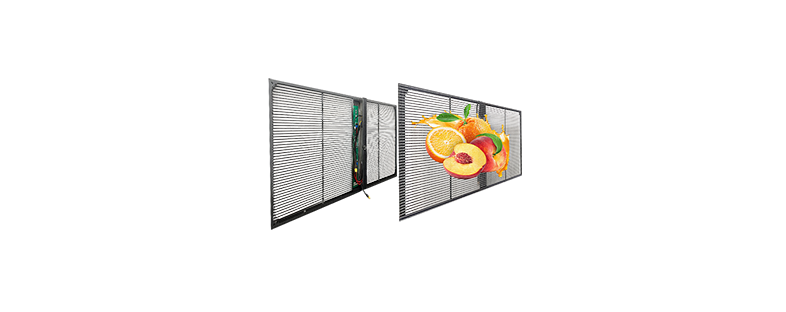
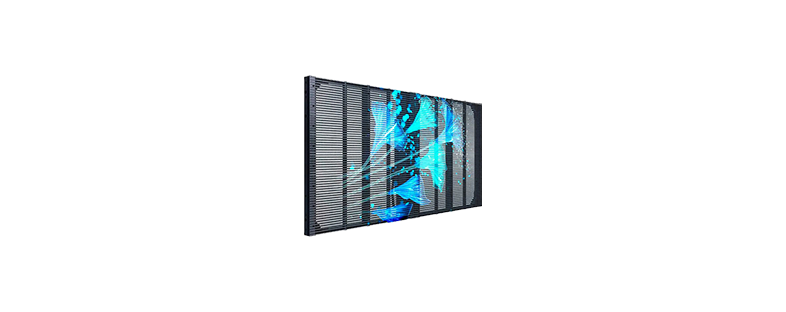
Was ist ein LED-Filmbildschirm?
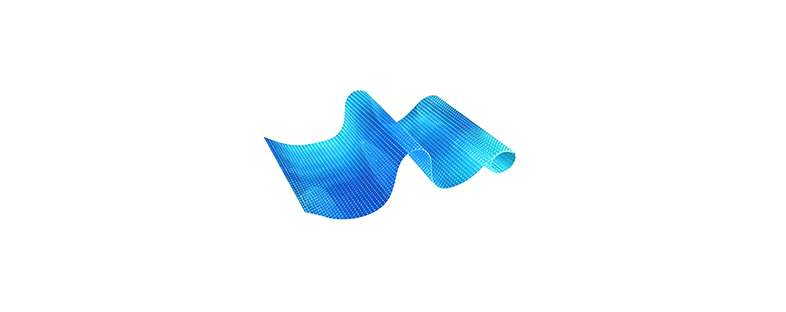
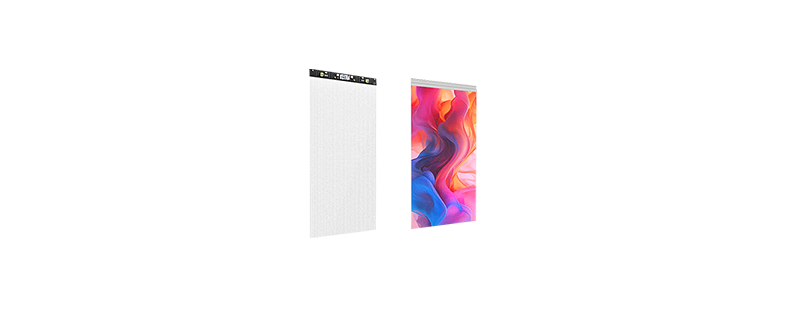
Ein LED-Folienbildschirm ist ein transparentes oder flexibles LED-Display, das überall dort eingesetzt wird, wo digitale Inhalte auf Glas, Fenstern oder anderen architektonischen Oberflächen dargestellt werden sollen. Das Display projiziert Bilder und Videos auf die gewählte Oberfläche.
Projekte im Einzelhandel umfassen häufig sowohl Filmleinwände als auch Regaldisplays. Diese erfüllen unterschiedliche Funktionen und Betrachtungsaufgaben.
Dieser Leitfaden erläutert Produktrollen, Auswahlfragen und Angebotsinformationen.

Was ist eine LED-Folie und wie funktioniert sie?
Ein LED-Folienbildschirm nutzt LED-Komponenten, die in einer dünnen, flexiblen oder transparenten Displaystruktur angeordnet sind. Ein Steuerungssystem sendet Inhalte an das Display, sodass Bilder, Videos, Werbebotschaften oder Markenbotschaften auf der ausgewählten Fläche angezeigt werden können.
Das Ergebnis hängt von der Oberfläche, der Entfernung des Publikums, dem Inhalt und dem gewählten Modell ab.
Transparente LED-Folie in einfacher Sprache
Transparente Displayfolie wird dort eingesetzt, wo der Bildschirm mit Glas oder einem architektonischen Element zusammenfällt. transparentes LED-Display Die Kategorie zeigt den angrenzenden Produktpfad an. Die Fenster-, Fassaden-, Lobby- oder Ausstellungsstruktur bleibt Teil der frühen Planungsphase.
UHLED führt flexible LED-Folien und transparente LED-Displays unter seinen Produktkategorien auf. [Link zur Produktübersicht] flexible LED-Folie Kategorie, wenn für das Projekt eine Diskussion über das Filmformat erforderlich ist.
Warum das Filmformat wichtig ist
Das Filmformat wirft Planungsfragen auf. Es muss geklärt werden, wo das Display aufgestellt ist, wo die Zuschauer stehen, wie die Inhalte gesteuert werden und wie die Techniker das System erreichen können.
Die Oberfläche bestimmt die Montage- und Wartungsplanung. Glas, Struktur, Inhalt und Steuerung sollten in einem Projektbrief zusammengefasst werden.
Wo werden LED-Folienbildschirme eingesetzt?
LED-Folienbildschirme kommen dort zum Einsatz, wo die umgebende Fläche Teil des Designs bleibt. Der Anwendungsfall hängt vom visuellen Ziel und dem Blickfeld des Publikums ab.
Schaufenster und Ladenfronten
Einzelhandelsteams können transparente Folien verwenden, um Werbeaktionen oder Markenbotschaften im Schaufenster zu präsentieren. Das Produkt sollte dabei zum Ladenlayout, zum Betrachtungsabstand und zum geplanten Werbeprogramm passen. Wenn die Displays direkt neben den Waren platziert werden, sollte die Rolle mit einer anderen Methode verglichen werden. Regal führte Anzeige vor der Auswahl des Formats.
Die beiden Produkte können eine Einzelhandelskampagne unterstützen. Folie eignet sich für die Gestaltung von Fenstern oder architektonischen Oberflächen. Regaldisplays ermöglichen die Produktkommunikation in unmittelbarer Nähe der Waren.
Ausstellungen, Lobbys und Veranstaltungen
Transparente Folien eignen sich für Ausstellungsgrafiken, Lobby-Beschriftungen und Eventvisualisierungen, bei denen die umgebende Struktur Teil des Erlebnisses bleibt. Die Inhalte müssen für Besucher aus verschiedenen Blickwinkeln und Entfernungen gut lesbar sein.
Notieren Sie den nächstgelegenen Betrachtungspunkt und die Eintrittsrichtung des Publikums. Diese Details dienen als Grundlage für die Inhaltsgestaltung und die Diskussion über den Pixelabstand.
LED-Folienbildschirme und LED-Regaldisplays: Produktrollen
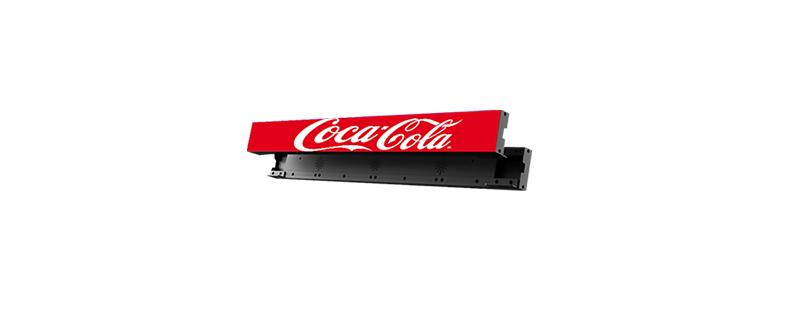
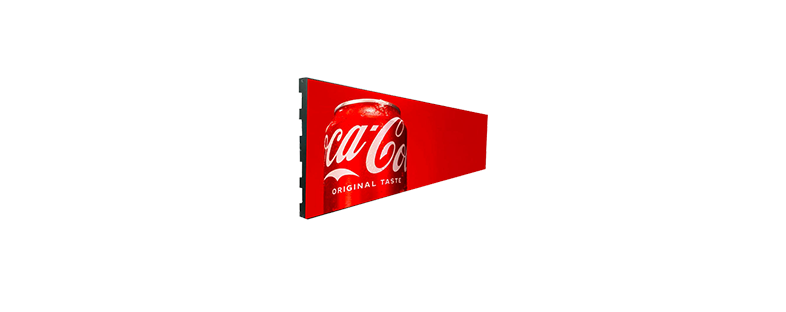
Das Schlüsselwort „Regal-LED-Display“ gehört zu einem verwandten Produktpfad im Einzelhandel. Es beschreibt ein Produktdisplay auf Regalebene.
LED-Folienbildschirme eignen sich für transparente oder flexible architektonische Installationen. LED-Regaldisplays sind ideal für Produktregale, Gänge und Verkaufsflächen in der Nähe des beworbenen Artikels. Beide Displaytypen können in einer Einzelhandelsstrategie eingesetzt werden, jedoch mit unterschiedlichen Montageflächen und Betrachtungsabständen.
| Projektbedarf | LED-Filmbildschirm | LED-Regaldisplay |
|---|---|---|
| Primärplatzierung | Fenster-, Glas-, Fassaden-, Lobby- oder Ausstellungsfläche | Regal-, Gang- oder Produktpräsentationsposition |
| Hauptkommunikationsaufgabe | Markenvisualisierungen, Werbemaßnahmen oder architektonische Inhalte | Produktinformationen, Preise, Aktionen oder Empfehlungen |
| Wichtige Planungseingaben | Oberfläche, Transparenz, Betrachtungspfad und Zugang | Regalabmessungen, Produktposition, Betrachtungsabstand und Inhaltsworkflow |
| Verwandter UHLED-Pfad | Flexible LED-Folie oder transparentes LED-Display | LED-Regaldisplay und Einzelhandelslösung |
Wählen Sie zunächst die Platzierung aus. Die Kampagne kann dann das passende Format oder die passende Kombination ermitteln.

Welche Spezifikationen sind bei der Auswahl einer LED-Folienwand wichtig?
Die Spezifikationsdiskussion folgt im Anschluss an die Website. Beginnen Sie mit der Zielgruppe und dem Umfeld, und bestätigen Sie anschließend die Steuerungs- und Serviceanforderungen.
Betrachtungsabstand und Pixelabstand
Der Pixelabstand bezeichnet den Abstand zwischen benachbarten Pixeln. Laut den Produkt-FAQs von UHLED eignet sich ein kleinerer Pixelabstand für Betrachtungsabstände aus kürzerer Entfernung, während ein größerer Pixelabstand für größere Betrachtungsabstände geeignet ist.
Geben Sie die üblichen und nächstliegenden Betrachtungsabstände an. Ein Schaufenster wird möglicherweise aus nächster Nähe betrachtet, während ein Ausstellungsstück aus einem Gang oder von der anderen Seite des Raumes betrachtet werden kann. Der Lieferant kann diese Gegebenheiten zur Überprüfung der Spezifikation nutzen.
Helligkeit und Umgebungslicht
UHLED-Displays unterstützen die Helligkeitsanpassung über das Steuerungssystem. Ein integrierter Lichtsensor sorgt zudem für die automatische Anpassung an wechselnde Umgebungshelligkeiten.
Das ausgewählte Modell und die Steuerungseinstellungen müssen bestätigt werden. Die Helligkeitsangaben gelten für das angegebene Modell und die angegebene Umgebung.
Inhaltskontrolle und Kameranutzung
UHLED-Displays unterstützen WLAN- und HDMI-Steuerung und sind mit gängigen Controllern wie NovaStar und Grayscale (HD) kompatibel. Bitte prüfen Sie, welche Verbindung und welchen Controller Ihr Projekt verwenden soll.
Falls Kameras das Display aufzeichnen sollen, geben Sie diese Anforderung im Briefing an. Laut den FAQs von UHLED sorgt eine höhere Bildwiederholfrequenz für ein stabileres, flimmerfreies Bild und eignet sich besonders für Filmaufnahmen oder Szenen mit schnellen Bewegungen. Die verfügbaren Unternehmensinformationen nennen keinen allgemeingültigen numerischen Grenzwert; besprechen Sie die Inhalte und die Kameraeinstellungen mit dem Anbieter.
| Auswahlfrage | Warum es wichtig ist | Informationen bereitzustellen |
|---|---|---|
| Wo wird der Film gezeigt? | Bestimmt die Oberfläche und die Montagediskussion | Fenster, Glas, Fassade, Lobby, Ausstellungs- oder Veranstaltungsort |
| Wie nah werden die Zuschauer dran sein? | Auswahl der Pixelteilung | Nächste und typische Sichtentfernungen |
| Wird sich das Umgebungslicht verändern? | Verbindet sich mit der Helligkeitsregelung | Innen-/Außenbereich und Lichtverhältnisse |
| Wie wird der Inhalt kontrolliert? | Bestimmt den Arbeitsablauf | WLAN-, HDMI- oder Controller-Präferenz |
| Werden die Kameras den Bildschirm erfassen? | Verknüpft die Aktualisierungsrate mit dem Produktionsbriefing | Filmen, Livestream oder Zeitrafferanforderung |
Wie wird eine LED-Filmleinwand installiert und gewartet?
Montagefläche und Zugangsplan bestätigen
Die Installationsplanung beginnt mit der Festlegung von Oberfläche, Abmessungen, Struktur, Strom- und Signaltrassen sowie Wartungszugang. Der Serviceplan sollte in die erste technische Besprechung einbezogen werden.
UHLED weist darauf hin, dass die Installation von LED-Displays in der Regel professionelle technische Unterstützung erfordert. Die Ingenieure von UHLED können Ihnen Schaltpläne und Installationspläne zur Verfügung stellen. Bitte bestätigen Sie vor Baubeginn das gewählte Modell, die Montageanordnung und die Zugangsvoraussetzungen.
Technischer Support und tägliche Betreuung
Die tägliche Pflege des UHLED-Produkts umfasst laut FAQ die Reinigung der Oberfläche mit einem weichen Tuch und Alkohol, das Vermeiden von längerem Betrieb bei voller Helligkeit und die Überprüfung des Lüfters. Der Hersteller gibt kein festes Wartungsintervall vor. Die Inspektionen sollten sich nach Betriebsumgebung und Projektplan richten.
Dokumentieren Sie den Kontrollablauf. Die Übergabe liefert dem Bediener und dem technischen Team die für Inhaltsaktualisierungen und Support benötigten Informationen.
Welche Fragen sollten Sie stellen, bevor Sie ein Angebot anfordern?
Senden Sie dem Lieferanten eine kurze Projektbeschreibung:
-
Montagefläche und verfügbare Abmessungen
-
Innen- oder Außenumgebung
-
Nächste und typische Sichtentfernungen
-
Inhaltstyp, Format und Kameranutzung
-
Helligkeitsregelungsanforderung
-
WLAN-, HDMI- oder Controller-Präferenz
-
Zugang von vorne oder hinten für Wartungsarbeiten
-
Ob das Projekt eine LED-Folie, ein LED-Regaldisplay oder beides benötigt
Für ein Einzelhandelsprojekt, LED-Displays für Einzelhandelsgeschäfte Die Lösung bietet einen separaten Anwendungspfad. Verwenden Sie dieselben Eingaben beim Vergleich einer Fensteranzeige mit der Kommunikation über das Regal.
Schlussfolgerung
Eine LED-Folie ist ein flexibles oder transparentes Anzeigeformat für Glas, Fenster und architektonische Oberflächen. Die Auswahl hängt von der Oberfläche, dem Betrachtungsabstand, dem Umgebungslicht, dem Inhalt, der Steuerungsmethode, der verwendeten Kamera und dem Wartungsplan ab.
Shenzhen Uhled Technology CO., LTD wurde 2015 in Shenzhen gegründet. Das Produktportfolio umfasst flexible LED-Folien, transparente LED-Displays, Regaldisplays, LED-Displays für den Innen- und Außenbereich, Mietdisplays, LED-Poster und weitere Displays für verschiedene Anwendungsbereiche. Acht Projektingenieure betreuen Projekte, auch im Ausland.
Für eine Konfigurationsbesprechung senden Sie uns bitte Informationen zur Installationsfläche, den Abmessungen, den Betrachtungsabständen, der Umgebung, dem Inhaltstyp, Ihren Steuerungspräferenzen und Ihrem Service-Zugangsplan. UHLED prüft dann, ob das Projekt für eine LED-Folie, ein Regaldisplay oder eine andere Displaykategorie geeignet ist.
FAQ (häufig gestellte Fragen)
Frage 1: Ist eine LED-Folienwand dasselbe wie ein LED-Regaldisplay?
A: Nein. LED-Folienbildschirme eignen sich für transparente oder flexible architektonische Oberflächen wie Fenster und Glas. Regal-LED-Displays werden in der Nähe von Produkten platziert und unterstützen die Warenpräsentation im Einzelhandel. Beide Formate können in einer Kampagne eingesetzt werden, erfordern jedoch unterschiedliche Platzierungsvorgaben.
Frage 2: Wo kann eine LED-Folienwand installiert werden?
A: Das Projekt kann Fenster, Glasflächen, Fassaden, Lobbys, Ausstellungs- und Veranstaltungsstrukturen berücksichtigen, sofern das gewählte Modell und der Montageplan die Gegebenheiten des Standorts zulassen. Vor der Installation sind Oberfläche, Abmessungen, Struktur, Strom- und Signalwege sowie Wartungszugang zu prüfen.
Frage 3: Wie beeinflusst der Betrachtungsabstand die Auswahl von LED-Folienbildschirmen?
A: Der Betrachtungsabstand bestimmt die Pixelgröße. Laut den Produkt-FAQs von UHLED eignet sich eine kleinere Pixelgröße für kürzere Betrachtungsabstände, während eine größere Pixelgröße für größere Entfernungen geeignet ist. Geben Sie daher bitte sowohl den kürzesten als auch den typischen Betrachtungsabstand an, damit der Lieferant die Spezifikation entsprechend anpassen kann.
Frage 4: Lässt sich die Helligkeit einer LED-Folie einstellen?
A: UHLED-Displays unterstützen die Helligkeitsanpassung über das Steuerungssystem. Ein integrierter Lichtsensor sorgt für die automatische Anpassung an wechselnde Umgebungshelligkeiten. Bitte prüfen Sie, ob diese Option für das gewählte Modell und die Installationsumgebung verfügbar ist.
Frage 5: Welche Informationen sollten für ein Angebot für eine LED-Folienwand übermittelt werden?
A: Bitte senden Sie uns Informationen zur Installationsfläche, den Abmessungen, der Umgebung, den Betrachtungsabständen, dem Inhaltstyp, der Kameranutzung, den bevorzugten Steuerungseinstellungen, den Helligkeitsanforderungen und dem Wartungszugangsplan. Geben Sie außerdem an, ob für das Projekt Film, Regalformate oder beide Formate benötigt werden. Diese Angaben bilden eine Grundlage für die Konfigurationsbesprechung mit dem Lieferanten.


