









Outdoor LED Screen: Technical Standards You Should Check Before Buying
Picking an outdoor LED screen is not just about checking price tags. You cannot simply look at screen sizes or pixel pitch numbers. A good outdoor LED display must fit where you put it. It also has to match how far away people stand. It must fit the type of video you show, and it must be easy to fix later.
For shoppers, the main tech rules include brightness and pixel pitch. You also must check waterproof levels, refresh rate, cabinet build, and supplier help. If you pick the wrong parts, the screen might look dark in the bright sun. You might spend extra cash for no reason. Or, fixing it later could become a very hard job. ([LEDU][1])
Before you buy an outdoor LED display, learn what each part does. You need to see how these facts change your final project.

What Are the Technical Standards for Outdoor LED Screens?
An outdoor LED screen works in places that are very different from indoor ones. Outside, the screen faces hot sun, heavy rain, and blowing dust. Temperatures change a lot. Also, it runs for many hours every single day.
A pro check for an LED-buitendisplay should look at:
|
Technical Standard |
Waarom het belangrijk is |
|
Helderheid |
Shows if the video is clear in bright sun |
|
Pixelspitch |
Changes how sharp the picture is from far away |
|
IP Protection Rating |
Tells you if it keeps dirt and water out |
|
Vernieuwingssnelheid |
Makes fast moving videos look very smooth |
|
Cabinet Structure |
Changes how strong it is and how easy to fix |
|
Control System |
Decides how well you manage and run the videos |
The right mix depends on your job. A sign by the road needs certain specs. A mall wall, a sports field screen, or a party rental screen will need totally different setups.
Why Are Outdoor LED Screens Different From Indoor Displays?
Outdoor and indoor LED displays are built for different jobs.
An indoor display works in a safe room. There, sun, rain, and dirt are rare. But an outdoor LED screen needs extra armor. It needs better power to run well all the time.
|
Factor |
Outdoor LED Screen |
Indoor LED Screen |
|
Brightness requirement |
Needs more light to be seen in the day |
Needs less light in safe indoor rooms |
|
Protection |
Must fight bad weather all year long |
Very little weather shield is needed |
|
Cabinet design |
Tougher build for harsh outside weather |
A light frame is often good enough |
|
Installatieomgeving |
Buildings, streets, and open spaces |
Shops, meeting rooms, and big halls |
When you pick an outdoor LED display, think about its exact spot first. A screen on a sunny building wall is one thing. A screen sitting under a shaded roof needs totally different things.
What Brightness Standard Should an Outdoor LED Display Meet?
Brightness is the very first rule shoppers must check. If the screen is weaker than the sun, the picture will look dark during the day.
Outdoor LED screens need more light than indoor ones. Direct sun makes the picture fade. Many guides say you must check brightness along with which way the screen faces. You should think about sun time and run hours. Do not just pick the biggest brightness number. ([ArechTech][2])
When you read a seller’s price list, check these things:
- How bright the screen is on a normal day;
- If you can change the light level yourself;
- If it can fix its own light level automatically;
- How the screen looks in the day and at night.
For outdoor ads or big city signs, auto-brightness is great. It keeps the view nice for people’s eyes. It also saves power you do not need to waste.
UHLED’s outdoor naked-eye 3D LED display solution has auto-brightness. It switches freely between day and night modes. This keeps the picture looking great in any light.
How Do You Choose Pixel Pitch for an Outdoor LED Screen?
Pixel pitch is the tiny space between LED dots. It changes how sharp the picture looks. It also decides the best spot to stand and watch.
A smaller pixel pitch gives a sharper picture. But, it usually costs more money. A bigger pixel pitch can still look super clear. This works well if people stand very far away. ([Leda Displays][3])
Start your choice by measuring the viewing distance. Do not just think about the resolution you want.
|
Application Scenario |
Pixel Pitch Consideration |
|
Close viewing areas |
Smaller pixel pitch for sharp and clear photos |
|
Commercial streets |
Middle pixel pitch for good cost and picture |
|
Large outdoor advertising |
Bigger pixel pitch for far away watching |
|
Stadiums or public venues |
Depends on how far fans sit and the video type |
For example, a shop door screen needs special specs. People stand right next to it. A huge highway sign needs different specs. Drivers look at it from miles away.
Before you order, tell your supplier:
- Where you will put it;
- The exact screen size;
- The closest viewing distance;
- The main kind of video;
- The picture quality you hope for.
This info stops you from buying parts that are too big. Huge parts cost extra cash but do not make the view any better.
What IP Rating and Protection Features Are Required?
Outdoor LED screens must fight tough weather. They face heavy rain, thick dirt, wet air, and freezing cold.
The IP rating is a huge clue for weather safety. But, buyers must also check the box seal. Look at the parts used, the cable covers, and the design for repairs, too.
UHLED outdoor LED display products have strong armor. They feature IP66 waterproof protection. This helps the screen work well outside. It survives rain, dirt, and wild weather shifts easily.
For outside jobs, make sure to check:
|
Protection Item |
Wat te bevestigen |
|
Waterproof rating |
How safe the front and back sides are |
|
Dust protection |
How tight the main box seal is |
|
Corrosion resistance |
If it works well near the sea or wet air |
|
Temperature adaptability |
The heat and cold range it can handle well |
|
Structural strength |
How it stands up to heavy wind and storms |
UHLED’s outdoor naked-eye 3D LED display solution also gets an anti-salt spray cover. This fights nasty rust. Plus, it works great in a huge temperature range from -40°C to 70°C.
Which Display Performance Specifications Matter?
Being bright and tough is key. But other running speeds change the final look, too.
Refresh Rate and Image Stability
Refresh rate changes how smooth a moving video looks. This matters a whole lot for:
- Fast video ads;
- Action sports screens;
- Live stage shows;
- Places where cameras film.
UHLED’s outdoor naked-eye 3D LED display solution gives a 3840Hz high refresh rate. This cuts down on messy blurs. It makes fast-moving clips look extra sharp.
Cabinet Structure and Maintenance Design
Outdoor LED screens cost a lot of money. They should last many years. You must think about how to fix them before you put them up.
A smartly built box makes these tasks easy:
- Changing old parts;
- Checking the whole system;
- Doing future repair work;
- Fixing the setup during the build.
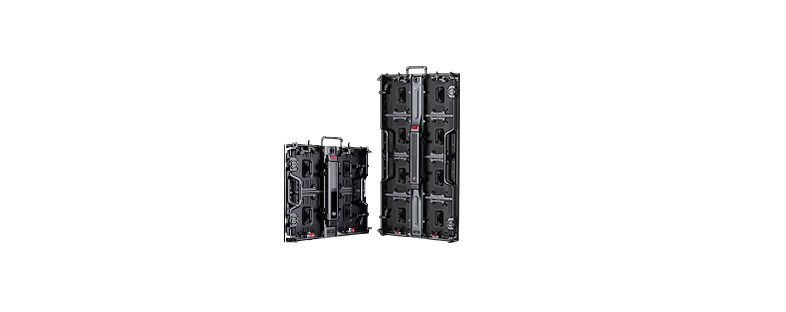
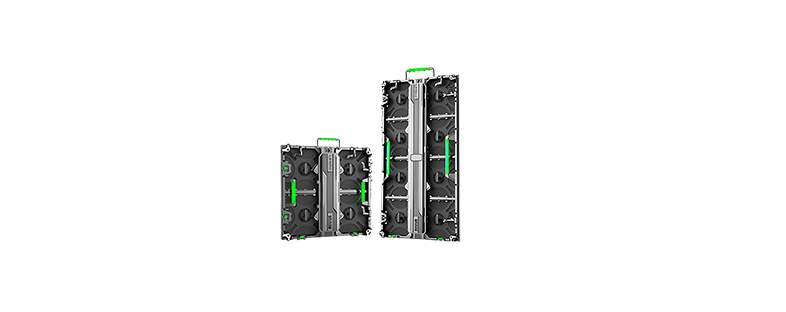
UHLED outdoor LED display products use smart front and back fix designs. This makes repair work much easier during the whole product life.
How Should You Evaluate an Outdoor LED Display Supplier?
Picking a seller is not just about finding cheap prices. A good seller helps you plan the tech details. They make custom parts and show you how to set it up. They also fix things after you buy.
Before you say yes to an order, ask:
|
Supplier Evaluation Factor |
Questions to Ask |
|
Manufacturing capability |
Can the seller make enough screens for your giant job? |
|
Technical support |
Will they teach you how to build and set up the big system? |
|
Product range |
Do they offer good choices for many different cool places? |
|
Quality control |
How do they test the items before putting them in the mail? |
|
After-sales support |
How will they quickly help you if the screen breaks later on? |
UHLED is a smart tech company. They do research, building, and selling. The group started in 2015. They offer help before you buy and give great tech support after. This includes sending skilled project engineers to help with jobs in other countries.
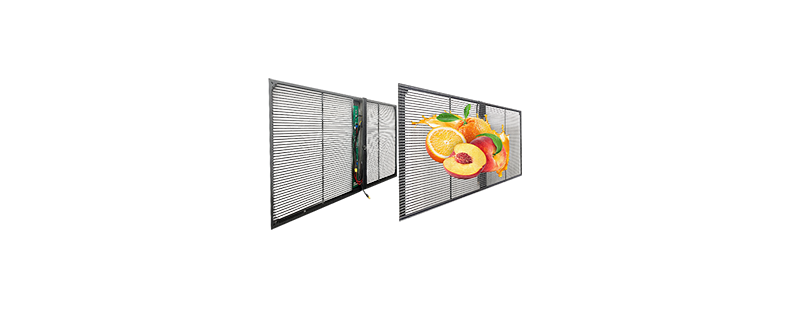
They make many different items. They build indoor and outdoor LED HD displays. They also make rental screens, shelf screens, and LED posters. You can find see-through screens and odd-shaped screens for any kind of fun place.
If you want a real price quote, get your job facts ready first. Before calling a seller, pack these details:
- Where you will put it;
- The exact screen size;
- The far viewing distance;
- What the screen is used for;
- The type of video;
- How you plan to fix it.
With this simple data, the seller can pick the best setup for you. They will not just hand you a basic list.

How Can UHLED Support Your Outdoor LED Display Project?
When you want an outdoor LED display solution, the best setup counts on your space. It depends on your end goals and your tech needs.
UHLED offers outdoor LED display setups for many uses. This covers outdoor ads, big business jobs, and special custom displays. Its outdoor naked-eye 3D LED display solutions mix cool screen tech with custom art. They do the building, make the videos, and help fix it later.
Send in your job spot, screen size, and viewing distance. Tell them your video needs and setup space. Then, you can easily talk about the best screen parts and get a fair price plan.
Veelgestelde vragen
Q1: What are the biggest tech rules for outdoor LED screens?
A: The top rules include brightness, pixel pitch, and IP protection. You also need to look at refresh rate, box build, and repair plans. The perfect mix rests on your setup area and what you want to show.
Q2: How bright should an outdoor LED display be?
A: Pick the brightness based on how much sun hits it. Look at the way it faces and how people watch it. A super bright screen is not always needed. If the area is dark, save your money.
Q3: How do you pick the pixel pitch for an outdoor LED screen?
A: Pick it based on viewing distance, screen size, and video kind. A smaller pixel pitch is great for close looks. A bigger one works fine for far-away outdoor spots.
Q4: What IP rating is best for outdoor LED displays?
A: These screens need tough guards against dust and water. The best rating depends on the exact spot, the weather, and the box frame style.
Q5: How do you find a safe outdoor LED display supplier?
A: Look at the seller’s tech help and factory power. Check their product list and how they test for good quality. See if they make custom parts and help out fully after you buy.


