






How Much Does an LED Display Cost? A Complete B2B Pricing Guide
An LED display project can be priced by square meter, cabinet, or complete system. The final figure depends on pixel pitch, brightness, cabinet construction, control equipment, mounting, installation, shipping, and support.
For a B2B buyer, two questions set the budget: “What is the price per square meter?” and “What is included in the delivered and working system?” This makes supplier quotations easier to compare.
What does an LED display quotation usually include?
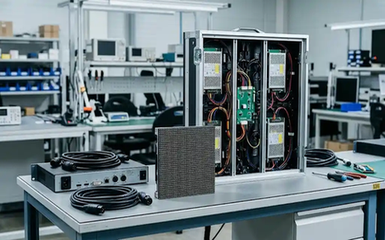
A complete quotation should separate included, optional, and excluded items. Screen hardware commonly includes LED modules, cabinets, receiving cards, power supplies, internal cables, and cabinet connectors. A video processor or sending card may connect the content source to the display.
The project may also need structure, power distribution, cabling, spare parts, installation, commissioning, packaging, and transport. Taxes, customs clearance, permits, lifting equipment, and electrical work may sit outside the supplier’s scope.
How LED display pricing is measured
Price per square meter
Square-meter pricing helps with an early budget when the products have the same pixel pitch, brightness, cabinet type, protection level, and control scope.
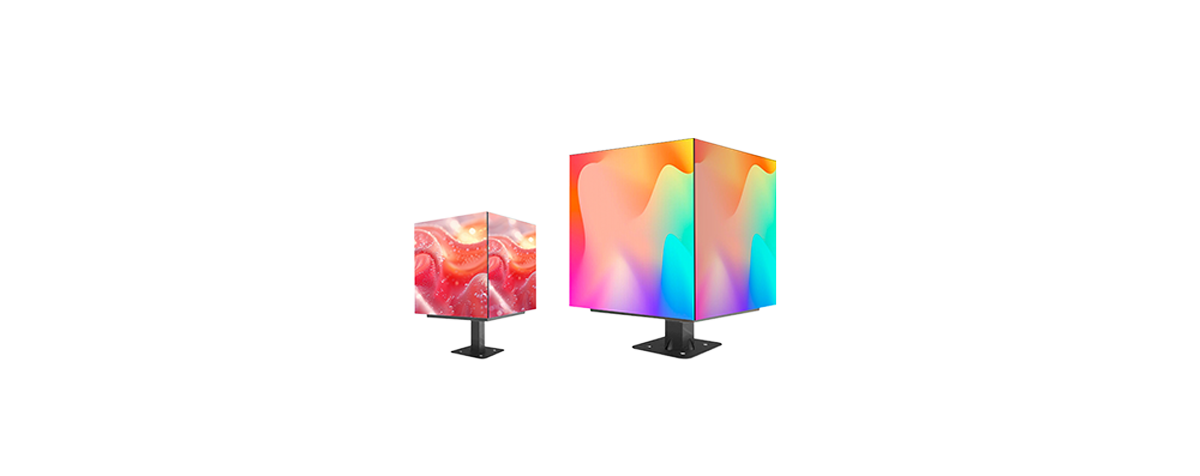
The calculation needs more care when a screen has custom dimensions, corners, curves, or several visible faces. Creative installations can require extra cabinets and structure beyond the front viewing area. Request the cabinet count and physical dimensions.
Module, cabinet, and complete screen pricing
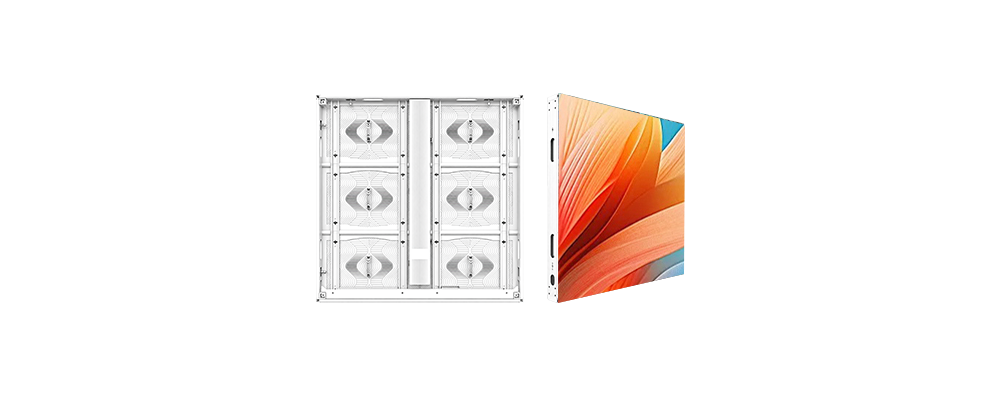
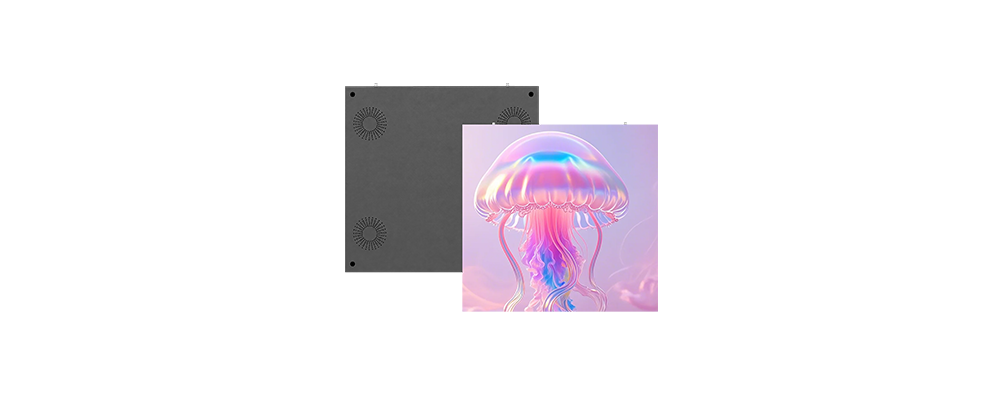
An LED module is the smaller display unit inside a cabinet. The cabinet holds the modules and provides the frame, power distribution, and signal connections. A complete screen combines cabinets with control equipment, power equipment, structure, and other project items.
A module price and a complete project price describe different scopes. Check the priced unit, quantity, dimensions, and spare-unit count before comparing offers.
The main factors that change LED display cost
Pixel pitch and viewing distance
Pixel pitch is the distance between adjacent LED pixels. A smaller pitch supports finer detail at a closer viewing distance. A larger pitch can suit a large outdoor screen viewed from farther away.
A retail display, meeting-room screen, and roadside billboard may need different pitches even when their areas are similar. A pitch finer than the viewing condition requires can raise the equipment budget while leaving the normal audience view unchanged. Include the recommended viewing distance and content type in the quotation request.
Indoor or outdoor operating conditions
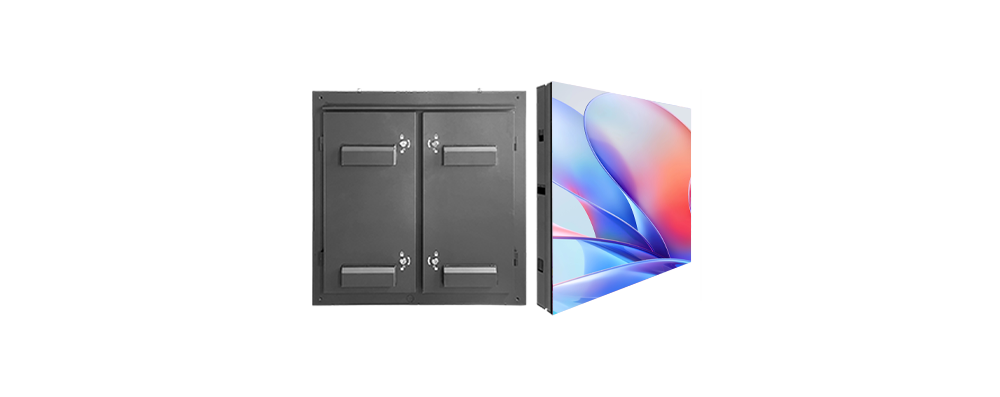
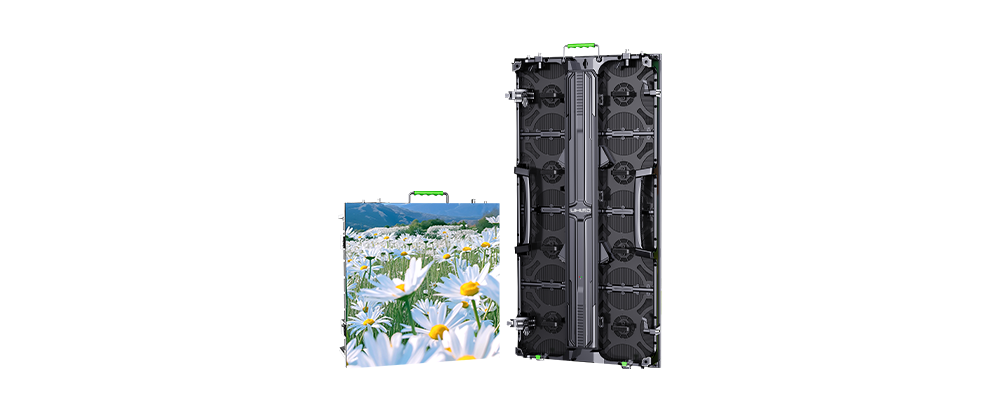
Outdoor LED displays usually need higher brightness, weather protection, thermal management, and a structure designed for the site. UHLED’s outdoor product information includes aluminum cabinets with IP66 protection and high-brightness designs for strong-light conditions. The selected cabinet and protection level still need to match the location.
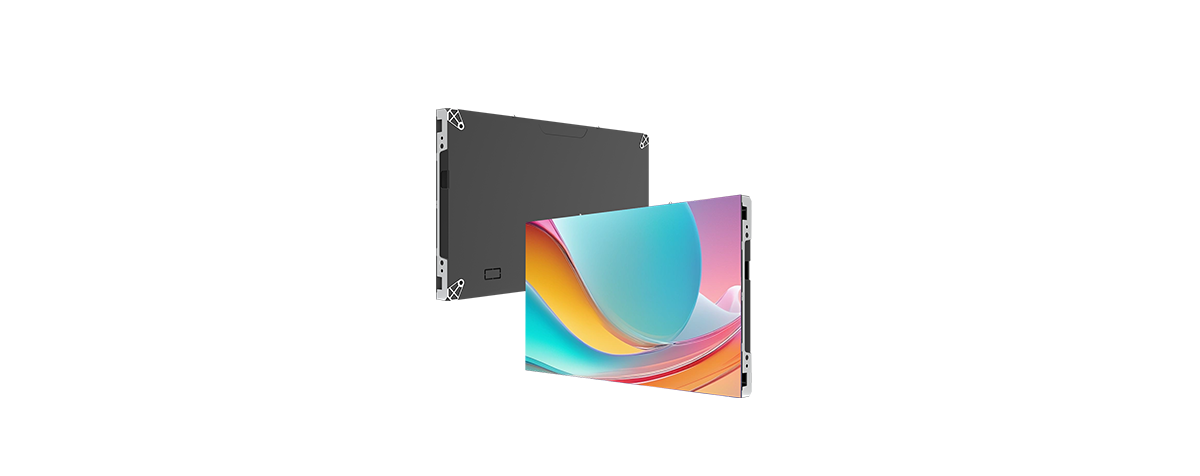
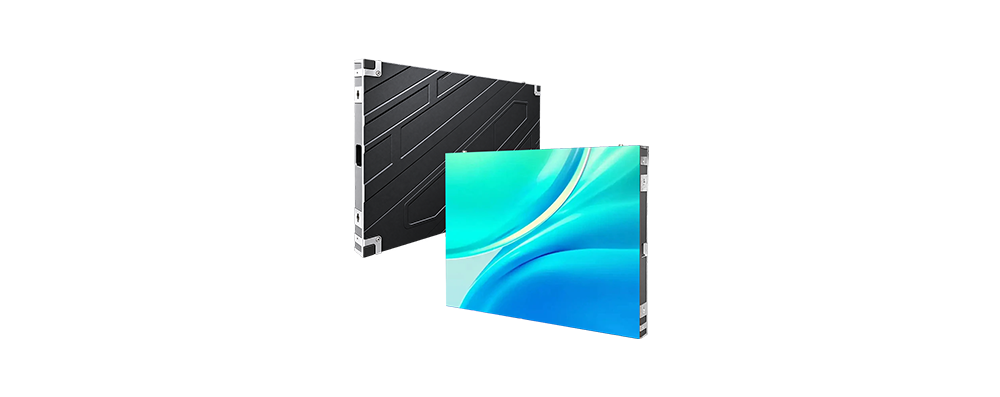
Indoor displays operate under more controlled lighting. Close viewing, fine pixel pitch, low noise, and front or rear maintenance may carry more weight in the specification. Indoor and outdoor quotations represent different engineering requirements.
Brightness, protection, and cabinet construction
Brightness should match the ambient light. A screen in direct sun needs a different brightness plan from a screen inside a retail store. Suitable configurations can include a light sensor that adjusts brightness as conditions change.
Protection requirements depend on rain, dust, humidity, temperature, salt exposure, and enclosure design. Cabinet material affects weight, corrosion resistance, handling, and maintenance. Confirm the protection rating, operating temperature, heat management, and maintenance direction.
Fixed, rental, and creative formats
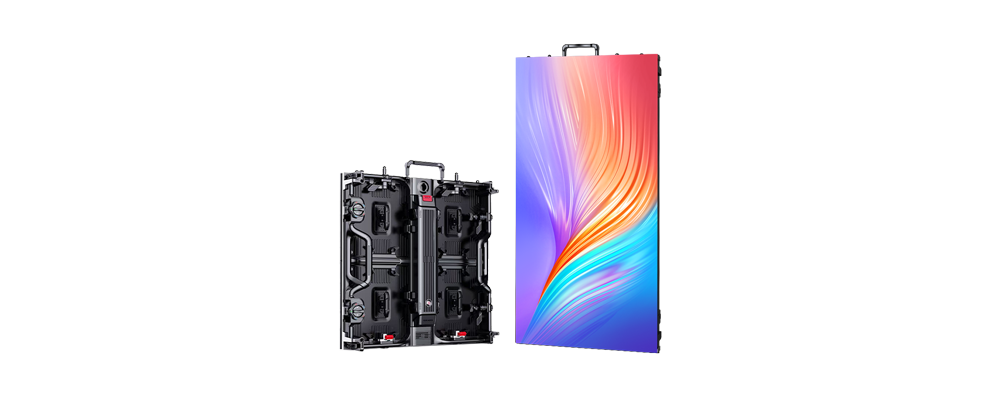
A fixed installation is built for a defined location and may include a permanent structure, service access, electrical work, and site engineering. A rental LED display is assembled and transported repeatedly, so cabinet weight, locking, corner protection, flight cases, and setup time affect the price. UHLED explains rental LED display setup and labor considerations.
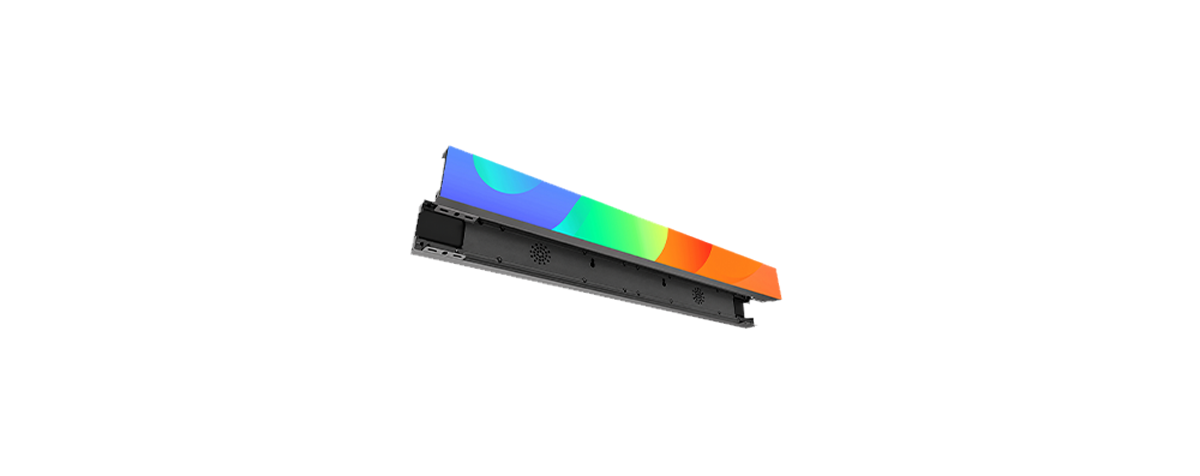
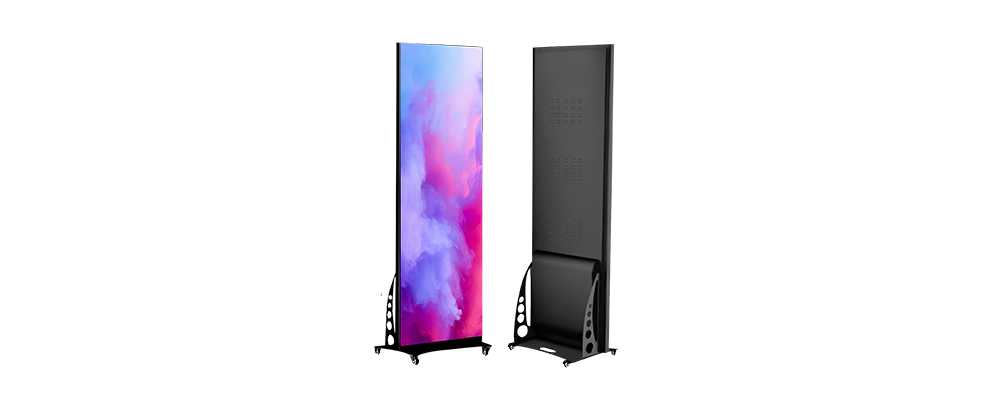
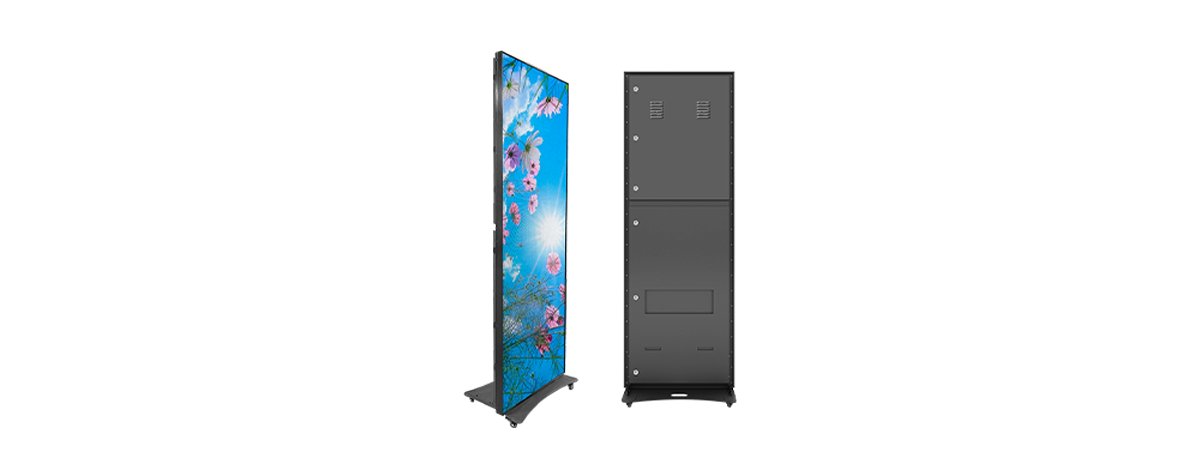
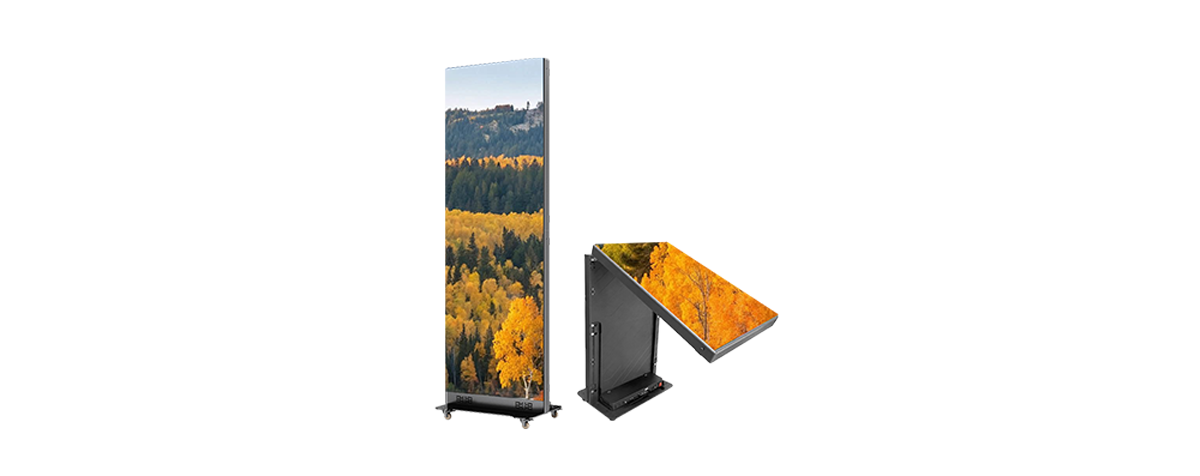
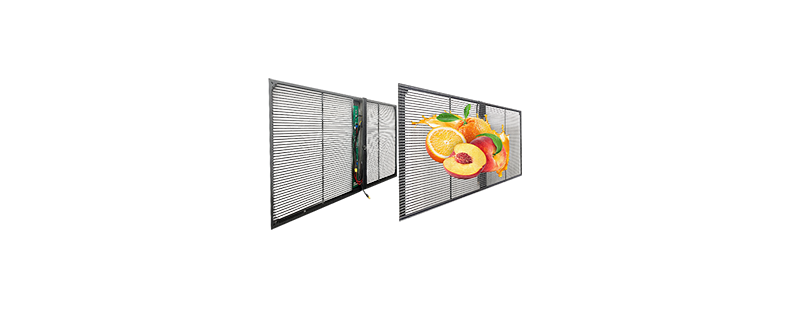
Shelf displays, LED posters, transparent displays, cubes, and irregular screens have different cost drivers. A cube has visible faces and custom geometry. A transparent display may need special mounting. A shelf display must fit the shelf depth, power access, and content control method. Suppliers should price these products from drawings or confirmed dimensions.
How product type affects the project budget
|
Product type |
Common use |
Cost variables to confirm |
|---|---|---|
|
Indoor LED display |
Retail, meeting rooms, stages |
Pixel pitch, viewing distance, brightness, maintenance access |
|
Outdoor LED display |
Façades, advertising, public spaces |
Brightness, protection, cabinet, structure, wind conditions |
|
Rental LED display |
Concerts, festivals, corporate events |
Weight, locks, transport, stacking or hanging |
|
Shelf LED display |
Retail shelving |
Dimensions, shelf depth, power, content control |
|
LED poster |
Retail and promotions |
Enclosure, mobility, playback, power source |
|
Transparent or cube display |
Storefronts and creative installations |
Transparency, geometry, mounting, content mapping |
See UHLED’s article on cube LED display budget factors for the extra geometry and structure involved in creative installations.

Costs outside the LED screen itself
The project total can change even when the screen specification stays the same. Common additions include:
Control system, video processor, sending cards, and receiving cards
Power distribution, breakers, and site cabling
Steel or aluminum mounting structure
Wall reinforcement, lifting equipment, and safety work
Installation, testing, and commissioning
Shipping, insurance, customs duties, and local taxes
Spare modules, power supplies, cards, and replacement tools
Content playback, cloud management, or software licensing
Maintenance access and local service labor
For outdoor work, the local installer or engineer should review the structure and electrical design. For rental work, transport cases and repeated handling can matter as much as the cabinet. Request both a delivered project total and an equipment-only total.
Purchase price versus total cost of ownership
A B2B buyer also needs an operating and maintenance estimate. Review operating hours, power consumption, maintenance access, spare parts, warranty terms, and technical support.
Front maintenance can reduce the space needed behind an indoor display. A modular cabinet can simplify replacement when a module or power supply needs service. A control system that fits the content workflow can reduce recurring operator work.
UHLED states that its LED display products include a five-year warranty and free remote technical support. Its product FAQ also describes accessory supply, software and firmware updates, and engineering documents such as wiring and installation structure diagrams. Confirm the exact terms for the selected model in the commercial quotation.
How to compare two LED display quotations
Use the same scope for every supplier:
Screen width, height, area, pixel pitch, and cabinet dimensions.
Brightness, protection rating, operating temperature, and maintenance direction.
LED package, refresh rate, grayscale, and content requirements.
Control system, video processor, power distribution, and cabling.
Structure, installation, testing, and commissioning.
Shipping terms, insurance, customs, taxes, and local site work.
Warranty, covered parts, response method, and spare-part availability.
Drawings, cabinet layout, acceptance test, and handover documents.
All exclusions in the final quotation.
Record the unit price, complete project price, and assumptions behind each number.
What information should you send before requesting a quote?
Provide the supplier with:
Screen dimensions or an installation drawing
Indoor or outdoor location and local climate
Viewing distance and audience position
Content type and daily operating hours
Fixed, rental, mobile, or creative installation type
Front or rear maintenance preference
Mounting surface and access conditions
Control method, input sources, and network requirements
Installation country, delivery address, target date, and required certifications
These details help the supplier select the cabinet, power system, control configuration, and installation scope.
How UHLED can support an LED display project
Established in 2015, UHLED integrates LED display research and development, manufacturing, and sales. Its product range includes indoor and outdoor HD LED displays, rental screens, shelf screens, LED posters, transparent screens, irregular screens, and cube displays.
UHLED states that it provides a five-year warranty and free remote technical support. Depending on the project, support can include accessories, software or firmware updates, wiring diagrams, installation structure diagrams, and overseas assistance from project engineers. Applicable certifications depend on the product and destination market.
To request a project-based quotation, send UHLED the screen dimensions, viewing distance, installation environment, application, control requirements, and delivery location. Review the UHLED LED display range before preparing the inquiry.
FAQ
How much does an LED display cost?
The cost depends on screen area, pixel pitch, brightness, environment, cabinet, control system, structure, installation, shipping, and support. A supplier should quote the complete configuration and list exclusions.
Is LED display pricing calculated per square meter?
Square-meter pricing helps with early comparisons between similar products. The final project price may also include cabinets, control equipment, power distribution, structure, installation, shipping, taxes, and spare parts.
What makes an LED display more expensive?
A finer pixel pitch, higher brightness, outdoor protection, custom cabinets, creative geometry, advanced control equipment, and difficult installation can increase the quotation.
Does an outdoor LED display cost more than an indoor display?
Outdoor displays often require higher brightness, weather protection, thermal management, and structural engineering. The difference depends on the complete specification and installation conditions.
What should an LED display quotation include?
The quotation should identify the display model, pixel pitch, brightness, cabinet quantity, control system, structure, installation, shipping, warranty, support, delivery terms, and exclusions.


