
















Why Is an LED Cube Screen More Expensive Than LCD 3 Reasons

A led cube screen usually costs more than an LCD arrangement because the two products are built differently. A liquid-crystal display, or LCD, is normally sold as a finished flat panel. A direct-view LED display uses light-emitting diodes mounted on modules, then combines those modules into a multi-sided structure.
For a retailer, event buyer, homeowner, or AV contractor, the higher price reflects component density, cube engineering, control hardware, installation, and maintenance access.
LED Cube Screen vs. LCD: What Are You Comparing?
LCD panels come in fixed dimensions. An LED cube is configured around the required faces, size, pixel pitch, and mounting method.
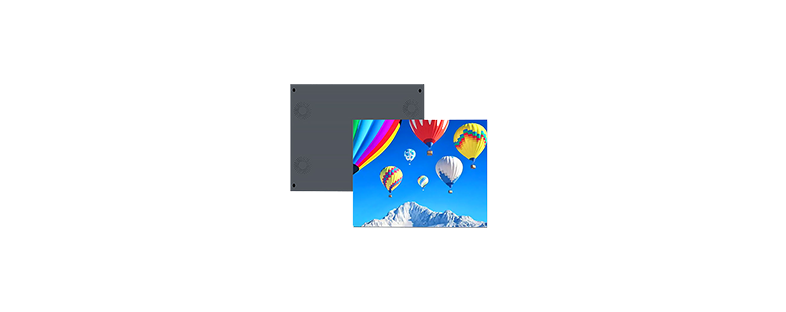
Direct-View LED Is Modular
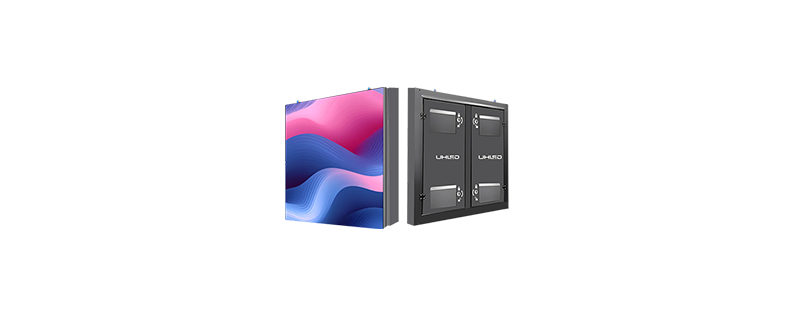
Direct-view LED forms the picture at the screen surface. Modules sit inside cabinets connected to power supplies, receiving cards, signal cables, and a controller.
Pixel pitch is the distance between neighboring pixels. A smaller pitch places more pixels in the same area, improving close-view detail while adding LEDs, driver components, assembly work, and cost.
LCD Is a Finished Flat Panel
LCD uses a backlight behind a liquid-crystal layer. Its mature production process supports high-volume manufacturing in standard sizes.
Several LCD panels can form a cube-like structure, but borders remain visible between them.
| Cost Factor | LED Cube Screen | LCD Arrangement |
|---|---|---|
| Structure | Modular and multi-sided | Separate flat panels |
| Size | Configured for the project | Limited to panel sizes |
| Repairs | Parts can be replaced | Full-panel replacement may be needed |
| Initial Cost | Usually higher | Usually lower |
Reason 1: Why Do LED Components Cost More?
Each display face contains LED packages, driver integrated circuits, printed circuit boards, power hardware, and signal components. Fine-pitch products require more parts per square meter.
Pixel Pitch Changes Component Density
A P1.538 screen contains more pixels than a P3.91 screen of the same area. That affects driver hardware, assembly time, inspection, and processing load.
UHLED cube products list pitches from P1.538 to P3.91 for different indoor and outdoor configurations. A useful quotation therefore needs the viewing distance and installation environment, not only the words “LED cube screen.”
Calibration and Testing Add Work
Modules must be checked for brightness and color consistency. Aging tests, dead-pixel inspection, cabinet alignment, and signal testing add production work.
Corner consistency matters because a small mismatch is visible when content moves from one face to another.
Reason 2: Why Does the Cube Structure Add Cost?
A cube is not one panel folded into shape. Every active face needs modules, structural support, power distribution, signal routing, and heat management.
More Faces Mean More Hardware
A four-sided design uses less hardware than a five-sided or six-sided design, but it still has several active surfaces. Content may run as one synchronized visual or as separate media on each side.
A four-sided LED cube screen is available with several pixel pitches, cabinet sizes, and indoor or outdoor options. A six-sided cube display adds further structural and control requirements.
Corners and Mounting Need Precision
Right-angle edges must align cleanly. The frame must carry the weight without twisting the cabinets or disturbing module alignment.
Hanging, wall-mounted, and floor-supported installations need different hardware. Outdoor projects may also require stronger sealing, drainage planning, wind-load review, and safe service access.
Reason 3: What Performance Does the Higher Price Cover?
LED is often selected when standard LCD panels cannot meet the required brightness, size, shape, or operating conditions.
Brightness, Refresh Rate, and Protection
Retail windows, exhibitions, stages, and outdoor sites may need more brightness than a normal indoor LCD panel. Refresh rate, the number of image updates per second, matters when the screen will be filmed.
Outdoor configurations require weather-resistant cabinets, suitable cooling, and protected power and signal connections.
Modular Service Can Limit Downtime
A damaged LED module, power supply, or accessory can often be replaced without removing the full display. Maintenance is not free, but the repair may remain limited to one section.
That matters to businesses using the screen for advertising or events. Private buyers also benefit when parts can be replaced without rebuilding the whole structure.
Is an LED Cube Screen Worth the Higher Price?
LCD is often the better choice for a standard flat display, controlled indoor lighting, close viewing, and a lower initial budget.
An LED cube suits multi-direction viewing, custom dimensions, creative architecture, stages, retail centers, exhibitions, bars, museums, and selected residential projects.
Compare the installed cost rather than hardware alone. Mounting, control equipment, shipping, spare parts, content preparation, and local labor can change the final budget.
What Information Affects an LED Cube Screen Quote?

A quotation needs the active faces, dimensions, pixel pitch, viewing distance, indoor or outdoor location, brightness, mounting method, and control requirements.
State whether all faces will show synchronized content, whether the display will be filmed, and how technicians will reach the modules. Buyers can review commercial LED display options before choosing a configuration.
Why Is UHLED Relevant to Custom Cube Projects?
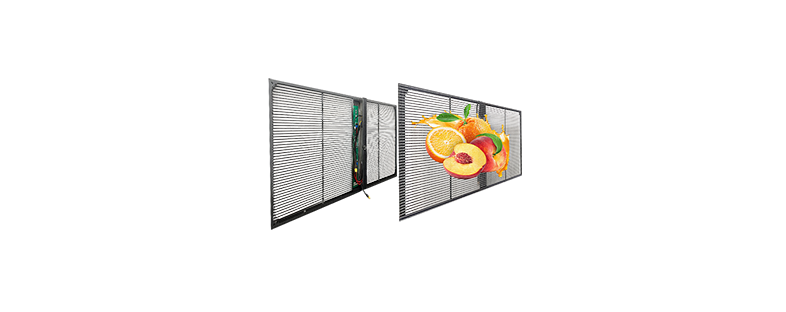
Shenzhen Uhled Technology CO., LTD, operating under the UHLED brand, combines product development, manufacturing, sales, project planning, and technical support. Its range includes four-sided, five-sided, and six-sided cube displays alongside indoor, outdoor, rental, poster, shelf, transparent, and irregular LED products.
The cube range covers multiple pixel pitches, cabinet dimensions, installation methods, and indoor or outdoor configurations. Project engineers support pre-sales planning and overseas projects. The documented warranty period is five years, with paid replacement parts available after that term.
You can request a custom cube display quote using the site dimensions, viewing distance, and installation conditions.
FAQ
Q1: Why Is an LED Cube Screen More Expensive Than LCD?
A: It uses more components, several display faces, custom structural work, and a dedicated control system.
Q2: What Most Affects the Price?
A: Pixel pitch, dimensions, active faces, outdoor protection, brightness, mounting, control hardware, and shipping.
Q3: Can LCD Panels Form a Cube?
A: Yes, but panel borders remain visible and may interrupt content across the edges.
Q4: Is an LED Cube Suitable for a Small Business or Home?
A: Yes, when the site can support safe mounting, power, and maintenance.
Q5: What Details Are Needed for a Quote?
A: Provide dimensions, active faces, viewing distance, location, mounting method, content type, operating hours, and destination.


