






A Full Guide to LED Display Types
LED displays are a group of screens built for different spaces, viewing distances, content types, and installation methods. A shelf led display in a retail aisle has a different job from an outdoor advertising screen on a building.
This guide helps buyers compare LED display types and see where shelf LED display products fit. Start with place, content, distance, control, and access.

What Is an LED Display?
An LED display is a screen that uses light-emitting diodes to show text, images, video, animation, or advertising content. In a project, it works with a control system, power setup, signal route, and content software.
On site, the question is simpler: what does the screen need to show, and where will people see it?
A shop may need short messages near products. A stadium may need bright outdoor video. A church stage may need a rental screen with high refresh rate for viewing and filming.
Pixel pitch is one basic term to know. It means the distance between adjacent pixels, such as P2.5, P3, or P4. Smaller pitch gives higher resolution for close viewing. Larger pitch fits longer viewing distance, especially outdoors.
How Do Main LED Display Types Compare?
Most buyers first compare LED display types by application. The table gives a quick map before deeper buying checks.
| Type | Common Use | Check First |
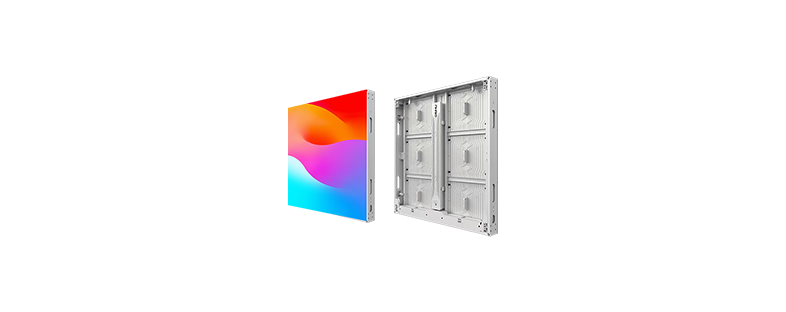
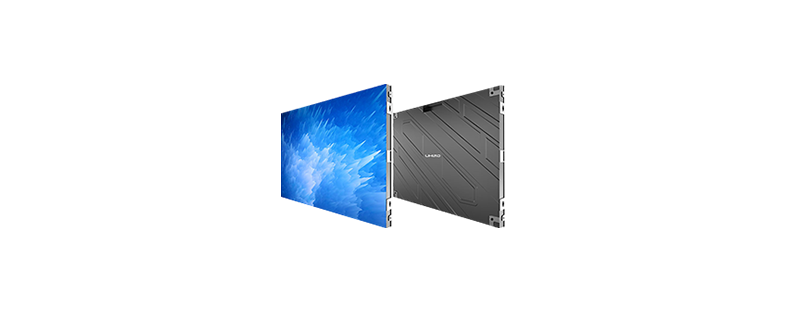
| Indoor LED HD display | Meetings, halls, malls | Pixel pitch and viewing distance |
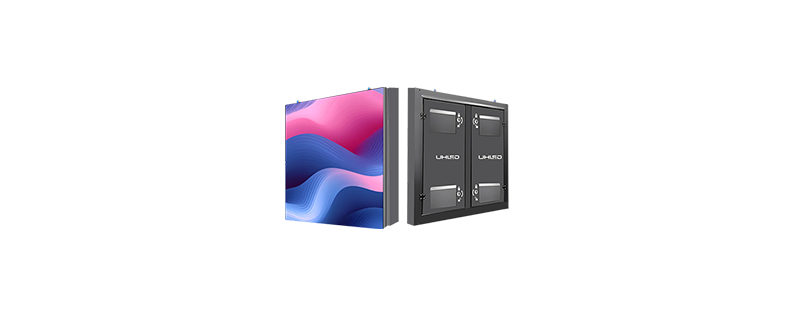
| Outdoor LED display | Advertising, buildings, stadiums | Waterproof rating, brightness, access |
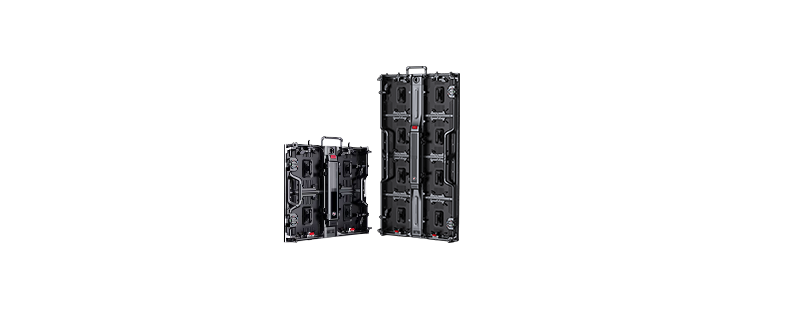
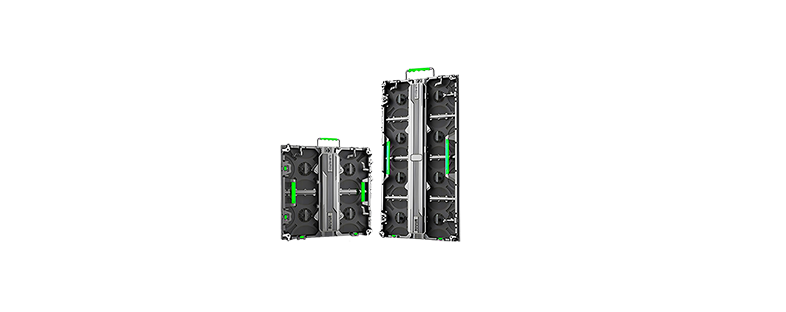
| Rental LED display | Concerts, launches, church stages | Cabinet weight, locks, hanging or stacking |
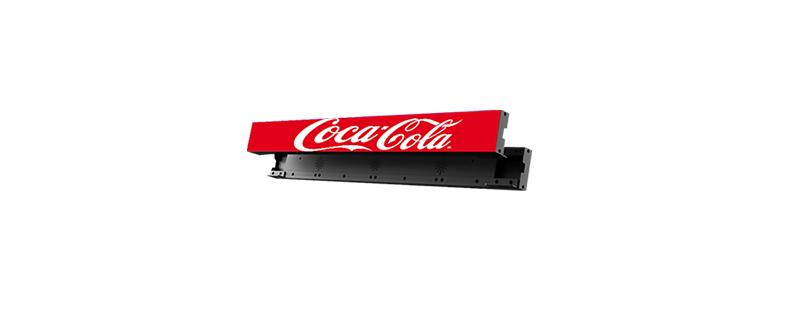
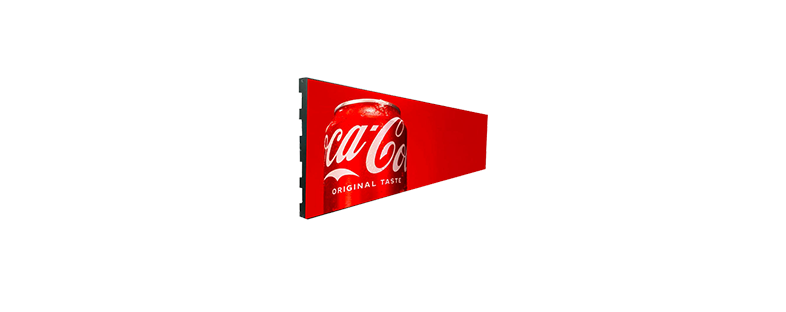
| Shelf LED display | Retail shelves and aisles | Module size, shelf fit, power route |
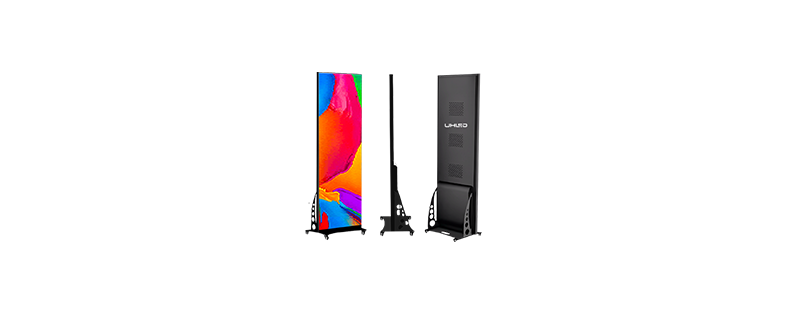
| LED poster | Stores and exhibitions | Placement and updates |
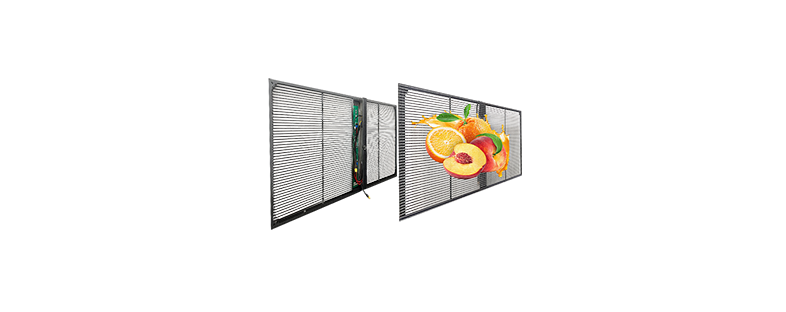
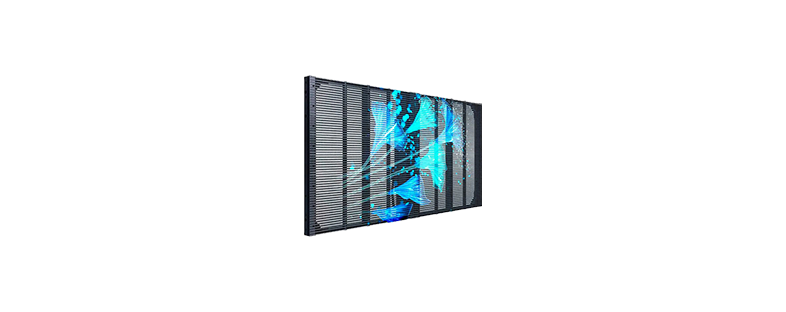
| Transparent LED display | Storefront glass | Drawings and model specs |
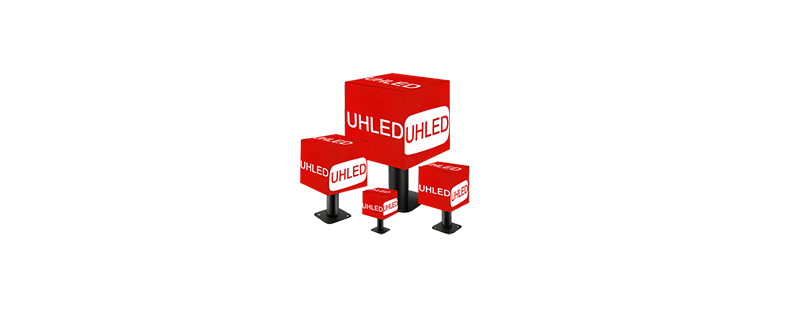
| Irregular LED display | Creative shapes | Structure and maintenance |
| Naked-eye 3D LED display | Landmarks and tourism projects | Corner design, content, playback |
A supermarket shelf project starts with dimensions and content updates. An outdoor LED display project starts with waterproofing, brightness, heat, and service access.
Indoor and Outdoor LED Displays
Indoor LED displays usually serve people who stand close to the screen. Fine text, product videos, meeting content, and exhibition visuals need enough resolution at the actual viewing distance.
Outdoor LED displays work in a harsher setting.
The project FAQ states that outdoor LED displays usually use IP65 or higher waterproof design. UHLED product information also includes an IP66 aluminum cabinet for outdoor use. That cabinet direction is described for rain, snow, dust, and other outdoor conditions. Match the rating to the selected model.
Brightness changes the purchase decision. Outdoor screens face strong sunlight. The project FAQ says brightness can be adjusted through the control system. It also says a built-in light sensor probe can be supplied.
A small indoor screen may need a clean wall, signal access, and a suitable control method. A large outdoor screen needs structure, power, waterproofing, signal planning, and maintenance space.
Rental, Poster, Transparent, and Creative Displays
Rental LED displays are built for events. They need to move, install, run, and pack down.
The rental solution material lists concerts, music festivals, corporate annual meetings, commercial activities, and church LED display use. It gives IP65 outdoor waterproof grade and -20°C to 50°C operating temperature. Cabinet weight: 7.5kg for 500x500mm, 15kg for 500x1000mm, quick lock structure, hanging or stacking, and curved or circular splicing. For display performance, it names 14-16 bit color depth color depth and at least 3840Hz refresh rate for church stage viewing needs.
Tie each figure to the selected model before signing an order.
For filmed events, refresh rate deserves early attention. The product FAQ connects higher refresh rate with a more stable image and less flicker.
LED posters, transparent screens, and irregular screens sit closer to retail and creative display work. The knowledge base lists these as product directions and says custom sizes and special shapes are supported.
For these categories, drawings matter. A transparent screen needs the glass or storefront plan. An irregular screen needs the shape, curve, corner, and support structure.

Where Does Shelf LED Display Fit?
A shelf-led display fits retail shelf and product aisle use. Buyers searching for this term often want price, promotion, product, or brand content at shelf level.
Physical fit leads the project.
Shelf length, shelf height, product clearance, viewing angle, power access, and signal route affect the final choice. A screen that fits one shelf may sit poorly on another if the module size, mounting method, or cable path does not match the fixture.
UHLED product history records first-generation shelf LED display development in 2016-2017 with a 128 × 64 mm module size. It records second-generation development in 2018-2019 with a 200 x 50 mm module size. It records third-generation development in 2020 – 2021 with a 150 x 60 mm module size.
A current shelf-led display quotation should state the active model, module size, screen length, brightness, control method, mounting method, and maintenance access. For supermarket aisles, also note cleaning access and product cartons that may block the viewing angle.
How Should Buyers Choose an LED Display?
A good purchase brief is short, but complete. A supplier can recommend a better screen when the buyer gives real site conditions at the start.
| Buyer Info | Why It Matters |
| Indoor or outdoor location | Sets brightness, waterproofing, and structure needs |
| Size and viewing distance | Guides pixel pitch and resolution |
| Content type | Text, video, live content, and 3D content need different control planning |
| Mounting method | Wall, ceiling, floor stand, hanging, stacking, building, or shelf installation |
| Control method | FAQ lists Wi-Fi, HDMI, NovaStar, and Grayscale (HD) |
| Maintenance access | Rear maintenance, front access, and reserved space change the installation plan |
| Service needs | FAQ lists 24/7 support, guidance, parts, and upgrades |
There is one common buying mistake.
People start with price before the screen job is clear. Then quotations are hard to compare. One quote may include waterproofing, structure, control, and spare parts. Another may price only panels.
Ask for a line-by-line quote when the project is fixed enough. Keep screen type, size, pitch, cabinet, control system, installation method, and service scope together.
Conclusion: Turn Project Requirements Into a Verifiable Quote
UHLED is an LED display manufacturer founded in 2015,with a construction area of 5,000 square meters,annual production of 120,000 square meters,8 project engineers for overseas project support. Its product scope includes indoor and outdoor LED HD displays, rental screens, shelf screens, LED posters, transparent screens, irregular screens, and scene application displays.
For this topic, the useful facts are product range, shelf LED display history, outdoor cabinet options, rental solution details, and after-sales support. The FAQ states a 5-year warranty and a service life of 100,000 hours.
To request a proposal, send location, screen size, viewing distance, content type, mounting method, control needs, and maintenance access.
FAQ
Q1: What is a shelf LED display used for?
A: A shelf LED display is used around retail shelves and product aisles for shelf-level messages. In purchase discussions, start with fit: shelf size, mounting space, power access, and update needs. The source gives UHLED development-history module sizes; it does not list current content formats.
Q2: How do you choose pixel pitch for an LED display?
A: Pixel pitch is the distance between adjacent pixels, such as P2.5, P3, or P4. The project FAQ says a smaller pitch gives higher resolution for close viewing, while a larger pitch fits a longer viewing distance. Send viewing distance with the inquiry; screen size alone is a weak basis for this choice.
Q3: Are outdoor LED displays waterproof?
A: Yes, when the selected outdoor model carries the right protection rating. The project FAQ states that outdoor LED displays usually use IP65 or higher waterproof design, and UHLED outdoor product information includes an IP66 aluminum cabinet. Check the cabinet, cable entry, and installation method.
Q4: What control methods can an LED display use?
A: The project FAQ states that the display supports Wi-Fi and HDMI control and works with common controllers such as NovaStar and Grayscale (HD). For a small shop screen, content updates may be simple. For a rental or outdoor project, confirm the signal route, content source, and update frequency before production.
Q5: How long is the warranty for UHLED LED displays?
A: The provided company FAQ gives a 5-year warranty. It states that free replacement parts are provided during that period when the problem belongs to UHLED, and spare parts can be supplied after 5 years with charges. Before ordering, confirm parts, shipping, labor, and site service terms in the contract.


