






Giant LED Screen: What You Need to Know
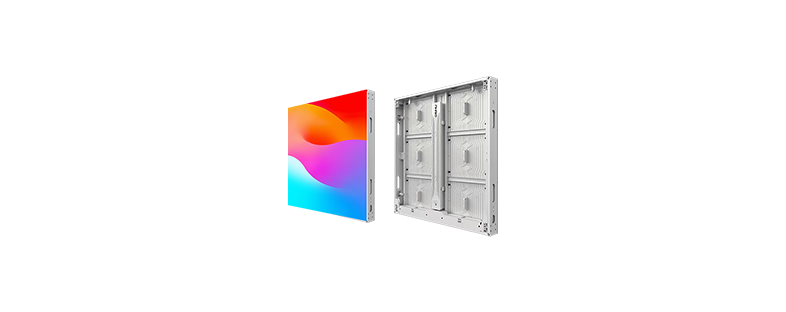
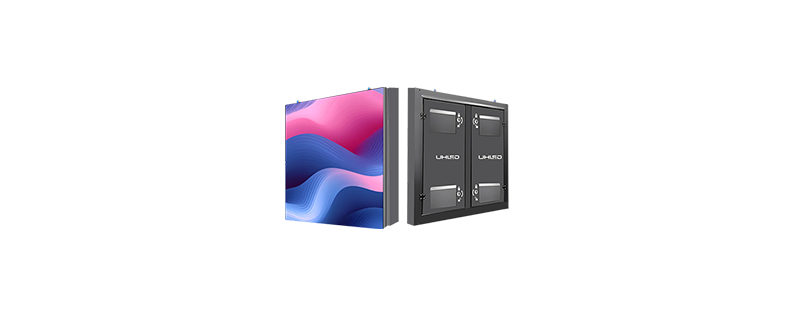
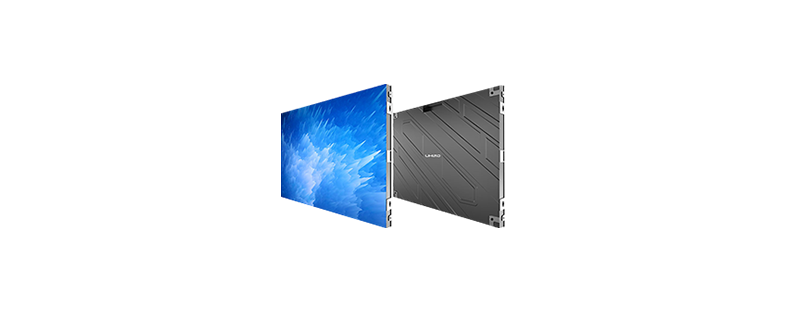
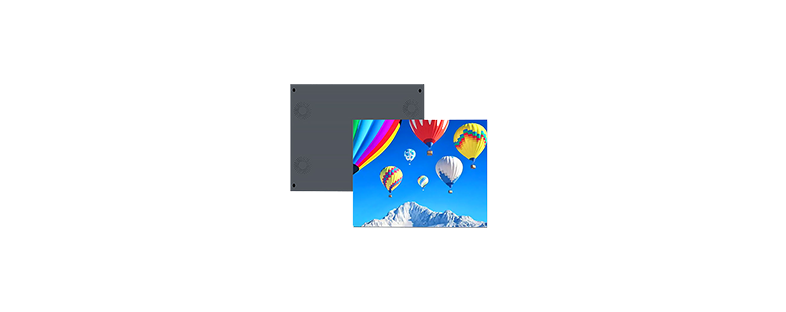
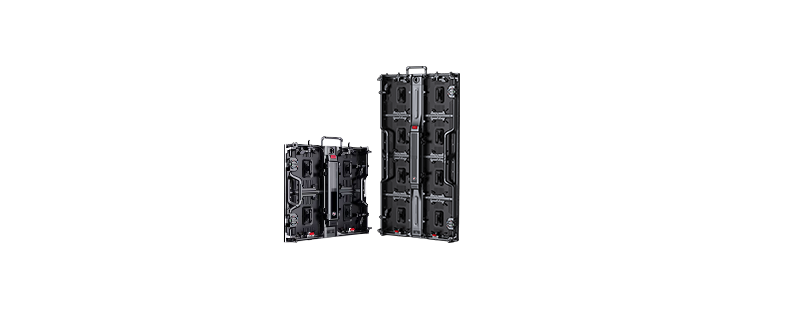
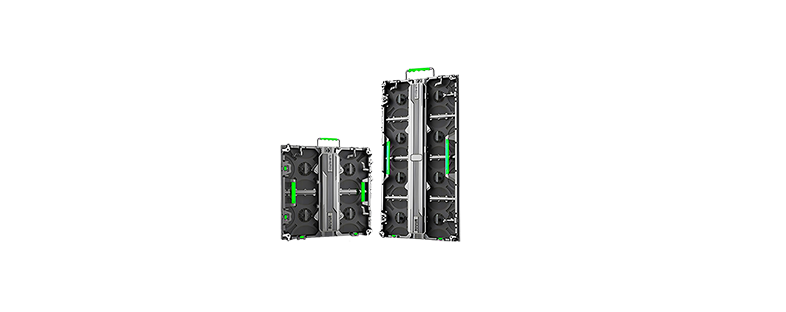
A giant LED screen is a large-format display assembled from LED modules and cabinets. The cabinets connect to create the required surface, while a control system sends image or video data to the screen.
The right choice depends on viewing distance, environment, content format, camera use, installation method, and maintenance access.
This guide takes you from the site brief to a supplier conversation.
What Is a Giant LED Screen?
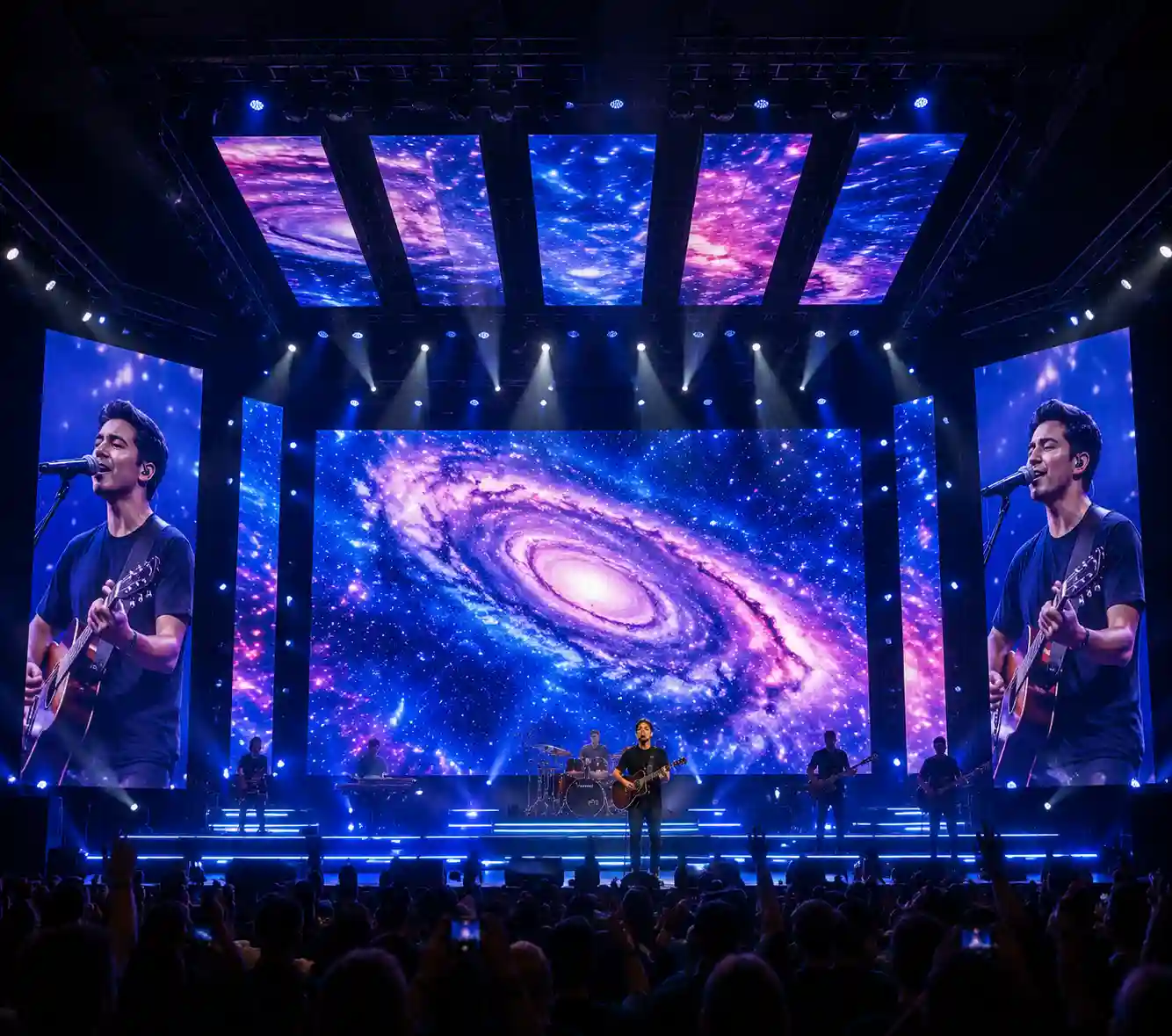
“Giant” describes the scale of the finished display. A large LED display joins multiple cabinets into one surface, so width, height, and aspect ratio follow the project.
The modular structure helps a screen fit a stage, stadium, retail wall, or advertising position. Plan service access before ordering cabinets.
An LED display uses light-emitting diodes to create the image directly on the screen. UHLED displays support Wi-Fi and HDMI control, with stated compatibility for NovaStar and Grayscale (HD); confirm the controller for the selected configuration.
Where Are Giant LED Screens Used?
Ask what the audience must see, how far away people will stand, and whether the screen will operate for one event or on a recurring schedule.
Advertising and Public Venues
Outdoor advertising, stadiums, transport locations, and public plazas expose displays to changing light and viewing distances. Put protection, brightness control, and distance in the brief. Review the outdoor LED display category and confirm the model’s protection details.
Concerts, Events, and Corporate Spaces
Concerts, festivals, conferences, and product launches use large screens for stage visuals, presentations, and camera feeds. Rental projects add assembly, dismantling, transport, and date questions.
Retail and Brand Environments
Retail screens present promotions, product information, and changing store messages. UHLED’s LED display for retail stores solution describes remote management for prices, promotions, and recommendations. Confirm the workflow and format before installation.

How Do You Choose Indoor or Outdoor LED Display?
Indoor and outdoor displays solve different site problems. Start with the environment, viewing distance, and brightness.
Match Protection and Brightness to the Site
UHLED’s product FAQ says outdoor LED displays usually use IP65 or above. This is general outdoor-range guidance. Confirm the chosen cabinet’s protection level against the actual weather and installation conditions.
Brightness can be adjusted through the control system, and UHLED can provide a built-in light sensor probe for automatic adjustment as ambient light changes. Confirm the option for the selected model.
For indoor screens, define the nearest viewing point, mounting position, and room lighting. Review the indoor LED display category for that brief.
Choose Pixel Pitch from Viewing Distance
Pixel pitch is the distance between adjacent pixels. UHLED’s guidance links a smaller pitch to close viewing and a larger pitch to longer viewing distances. Start with the audience position.
Send the supplier both the nearest and typical viewing distances. The front row, retail aisle, or camera position may be more demanding than the back of a venue.
Which LED Display Specifications Matter Most?
Connect each important specification to a real use condition.
Screen Size, Format, and Resolution
Start with the content format and available wall or structure. Wide advertising, stage, and portrait retail displays need different layouts. Prepare media for the installed pixel layout.
Physical size alone does not describe image detail. Confirm pixel pitch and content format before exporting final media.
Refresh Rate and Camera Use
Refresh rate describes how often the display updates the image. UHLED’s FAQ states that a higher refresh rate gives a more stable, flicker-free image and suits filming or high-speed motion scenes. Tell the supplier when the screen will be filmed, livestreamed, or used with fast camera movement.
UHLED’s published guidance gives no universal numeric threshold. Treat the camera, content, and controller as one configuration question.
Control and Maintenance Access
Confirm whether the operator will use Wi-Fi, HDMI, or a compatible controller. Installation normally requires professional technical support for the fixed structure, power cables, and signal cables. UHLED can provide wiring and installation-structure diagrams.
UHLED’s daily-care guidance covers dust removal with a soft cloth and alcohol, avoiding prolonged full-brightness operation, and checking the cooling fan. The operating environment must shape the service schedule.
|
Project condition |
Question to answer |
Selection implication |
|
Outdoor installation |
What protection level applies to the chosen model? |
Confirm the cabinet rating; UHLED guidance says IP65 or above is usual outdoors. |
|
Close audience |
Where is the nearest normal viewing point? |
Review a smaller pixel pitch. |
|
Filmed content |
Will cameras capture fast motion or live feeds? |
Confirm refresh-rate and controller requirements. |
|
Restricted access |
Can technicians reach the rear of the display? |
Include front or rear maintenance planning in the structure. |
How Much Does a Giant LED Screen Cost?
A single universal price is not useful for a giant LED screen. The quotation needs a defined scope.
Ask the supplier to separate display area, pitch, cabinet and control configuration, structure, installation, power and signal accessories, transport, and maintenance. The same wall area can need different configurations when viewing distance, content, or environment changes.
Send a site drawing or clear dimensions before requesting a price. Ask which items are included and which remain to be confirmed.
Should You Buy or Rent a Giant LED Screen?
Buying fits a recurring display at a store, venue, stadium, or advertising location. The buyer needs a long-term plan for installation, control, maintenance, and replacement parts.
Rental fits a temporary event, exhibition, concert, or short campaign. Dates, assembly, dismantling, transport, and technical support belong in the brief. Review the rental LED display category and confirm the package before comparing rates.
Let the operating period and site responsibility guide the decision. A mobile or short-term project may need a different cabinet and support plan from a fixed installation.
What Should You Prepare Before Requesting a Quote?
Give the supplier information that can be checked on a drawing or site call:
- Installation location and available width and height
- Indoor or outdoor environment
- Nearest and typical viewing distances
- Advertising, presentation, video, or live-camera content
- Fixed, stacked, or suspended installation
- Front or rear maintenance access
- Control preference and available signal route
- Operating period and purchase or rental status
A photo, site drawing, viewing-distance estimate, and content format clarify the brief. The supplier can then discuss pitch, brightness, refresh rate, structure, and installation documents.
|
Information to send |
Why it matters |
|
Site dimensions and mounting position |
Establishes the cabinet layout and structure discussion. |
|
Nearest viewing distance |
Guides the pixel-pitch recommendation. |
|
Indoor/outdoor conditions |
Sets the protection and brightness questions. |
|
Content and camera use |
Connects format, refresh rate, and control needs. |
|
Purchase period or rental dates |
Frames maintenance, assembly, and support planning. |
Conclusion
A giant LED screen is a project-sized display. Match its modular surface to the site, viewing distance, content, camera use, control method, and maintenance plan.
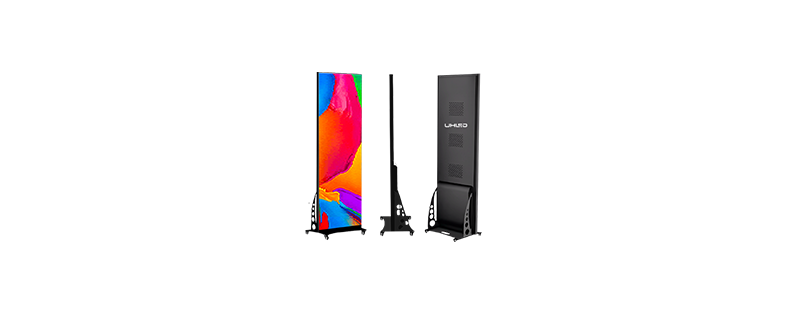
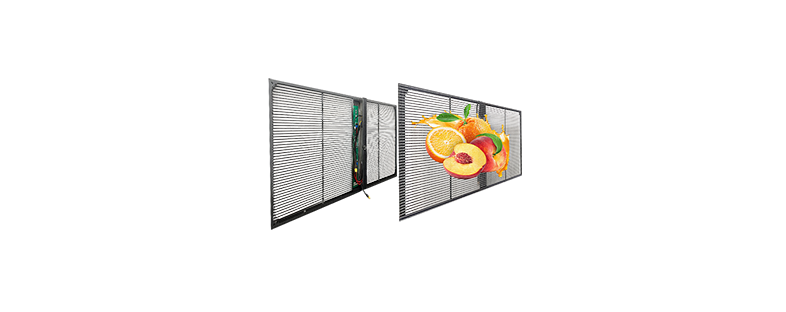
Shenzhen Uhled Technology CO., LTD was founded in Shenzhen in 2015. Its product scope includes indoor/outdoor and rental LED displays, shelf screens, LED posters, transparent and irregular displays, plus scene applications. Eight project engineers support projects, including overseas work.
For a configuration discussion, send the site dimensions, environment, nearest viewing distance, content type, control preference, and purchase or rental period. UHLED can then review product fit and the installation information needed for the next project decision.
FAQ
Q1: How big can a giant LED screen be?
A: No universal maximum size is specified. The practical layout depends on modules, cabinets, structure, viewing distance, content, control, and installation conditions. Confirm the cabinet plan with the supplier.
Q2: What pixel pitch suits a large LED display?
A: Choose pixel pitch from the viewing distance. Pixel pitch is the distance between adjacent pixels; smaller suits close viewing and larger suits longer viewing. Provide the nearest and typical audience positions.
Q3: Can a giant LED screen be used outdoors?
A: Yes, when the model matches the outdoor environment. UHLED’s FAQ says outdoor LED displays usually use IP65 or above; confirm the actual model rating. Discuss brightness adjustment and the available light sensor probe for changing ambient light.
Q4: Is it better to buy or rent an LED display?
A: Buy when the screen will operate repeatedly at a fixed site; rent when the project is temporary or the location changes. The decision also affects assembly, transport, maintenance access, control equipment, and technical support. Compare the complete project scope.
Q5: What information is needed for an LED display quote?
A: Send site dimensions, indoor/outdoor conditions, viewing distances, content and camera needs, mounting method, maintenance access, control preference, and purchase or rental period. A photo or drawing helps connect those inputs to a cabinet layout.


