
-
OUTDOOR LED DISPLAY
OUTDOOR LED DISPLAY
-
INDOOR LED DISPLAY
INDOOR LED DISPLAY
-
RENTAL LED DISPLAY
RENTAL LED DISPLAY
-
SHELF LED DISPLAY
SHELF LED DISPLAY
-
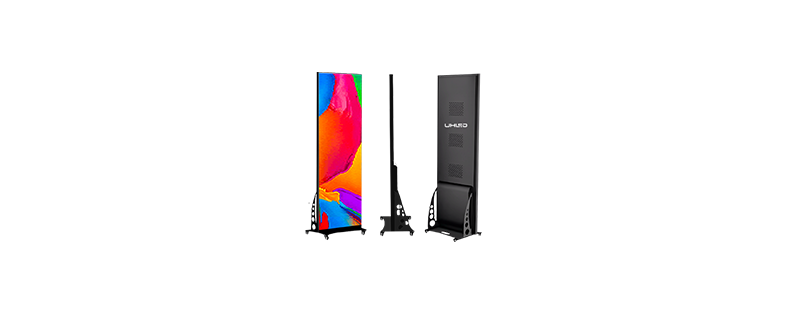
POSTER LED DISPLAY
POSTER LED DISPLAY
-
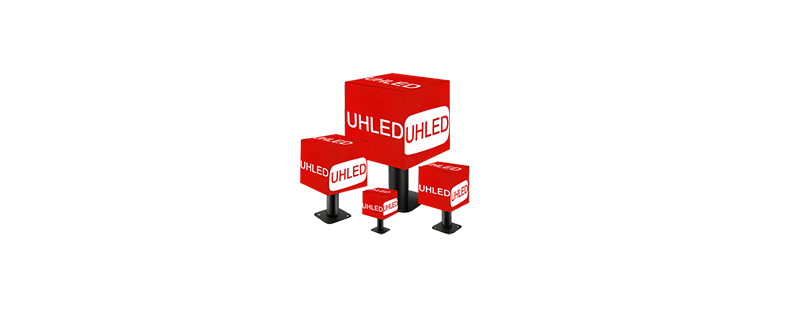
CUBE LED DISPLAY
CUBE LED DISPLAY
-
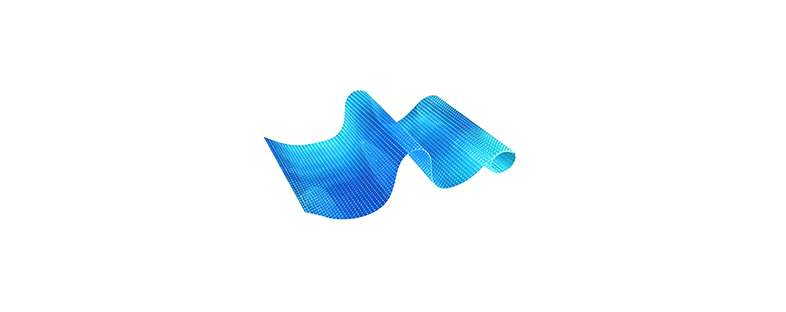
FLEXIBLE LED FILM
FLEXIBLE LED FILM
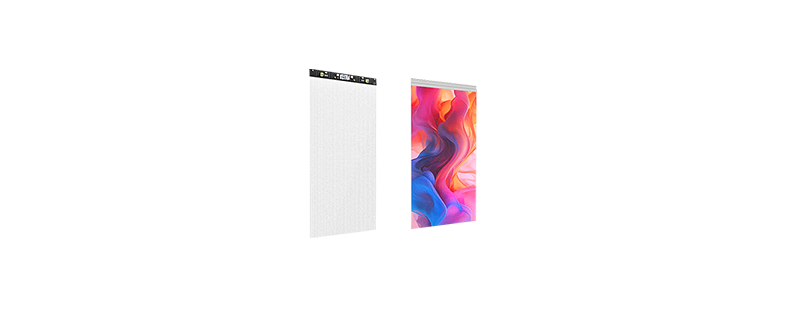
- TRANSPARENT LED DISPLAY




Indoor LED Display for Events: How High-Resolution LED Walls Solve Brightness, Viewing Angle, and Content Challenges
An indoor LED display for events is usually judged in the first few minutes of a show, not during the quotation stage. If the keynote slides look soft, if product images lose color under ceiling lights, or if guests on the side tables cannot read the screen, the problem quickly becomes visible to everyone in the room. For event production companies, AV contractors, exhibition builders, and LED display distributors, screen performance is tied directly to delivery quality and client confidence.
Indoor projects often look simple on paper. The venue is covered, the distance seems short, and the lighting looks manageable during the site visit. In real operation, conditions change. Stage lights turn on, camera teams adjust exposure, visitors stand close to the screen, and content arrives in different ratios. A high-resolution LED wall becomes valuable when it is selected for these working conditions rather than chosen only by width, height, or price.
Common Problems with Indoor Event Visuals
Many indoor LED screen problems come from early decisions that are too general. A buyer may ask for a “large LED wall,” while the project actually needs a screen that can handle close viewing distance, bright ambient light, side viewing, fast service access, and content from multiple sources. A screen that works for a distant stage backdrop may not be suitable for a product launch where guests stand close enough to see pixel structure.
The most common issues include washed-out visuals under event lighting, visible pixel grain from short viewing distance, uneven readability across the seating area, mismatched video resolution, and limited maintenance space behind the screen. These are not minor details. They affect whether a speaker’s name is readable, whether a product image looks premium, and whether the installation crew can replace a module without delaying rehearsal.
Before placing an order, B2B buyers should confirm venue size, nearest viewing distance, audience layout, screen position, lighting condition, content format, live camera use, installation method, and maintenance access. This basic project information helps the supplier recommend an indoor LED screen that fits the job instead of a standard product that only meets the size request.
Brightness: Keeping Indoor LED Walls Clear Under Event Lighting
Indoor lighting is often more difficult than expected. Conference centers, hotel ballrooms, exhibition halls, retail launch spaces, and control rooms usually cannot be treated like dark theaters. Ceiling lights may stay on for safety. Booth lighting may be strong enough to affect contrast. Stage lighting may hit the screen from an angle. In these situations, LED screen brightness and contrast decide whether the image looks clean or flat.
An LED video wall for events produces its own light, so it is better suited to many indoor event environments than display methods that depend on reflected light. Still, brightness should not be selected blindly. If the screen is too dim, product images and white backgrounds can look gray. If it is too bright for a close-viewing room, viewers may feel visual fatigue during long presentations.
UHLED indoor LED display products include fine pitch options for professional indoor applications. The UHLED indoor die-cast aluminum cabinet series lists 600cd/㎡ brightness for P1.25, P1.538, P1.86, and P2 models, and 800cd/㎡ brightness for the P2.5 model. For indoor event screen projects such as conference backgrounds, exhibition displays, commercial presentations, and stage visuals, this brightness range supports clear image performance under typical indoor lighting conditions.
Resolution and Pixel Pitch: Preventing Blurry Images at Close Range
A high-resolution LED wall is not created by size alone. Pixel pitch, cabinet layout, total pixel resolution, and viewing distance all decide how sharp the final image appears. Smaller pixel pitch places pixels closer together, which helps text, charts, product details, faces, and interface graphics appear cleaner when viewers stand or sit near the screen.
This matters in indoor event work because close viewing is common. At an exhibition booth, visitors may stop only a few feet away from the display. At a corporate launch, the screen may show product close-ups, brand graphics, and fine text. In a conference room, charts and speaker titles must remain readable from front-row seats. If the pixel pitch is too large, the image can look rough even when the screen is technically bright enough.
UHLED indoor fine pitch LED display options include P1.25, P1.538, P1.86, P2, and P2.5. These pixel pitch choices allow procurement teams to match image detail with audience distance, venue size, and budget. For close-range indoor LED display projects, fine pitch LED display products usually provide a more polished result than lower-resolution screens selected mainly to reduce upfront cost.
Viewing Angle: Keeping Side Seats and Moving Audiences Engaged
Indoor event layouts rarely place every viewer directly in front of the screen. In a ballroom, guests may sit at round tables across a wide floor plan. In an exhibition space, visitors approach from the left, right, and center. In a conference hall, the screen may need to serve front rows, side seats, and balcony positions at the same time.
LED screen viewing angle should therefore be considered during project planning, especially when the content includes small text, charts, sponsor logos, or product specifications. The goal is not only to make the center view look strong. The display should keep practical visibility across the room so that the message remains readable from normal audience positions.
Before ordering a screen, project teams should review the seating plan, installation height, left-right audience spread, viewing distance, and content design. Wider screen layouts, suitable font sizes, strong contrast, and correct pixel pitch all help improve indoor event LED wall visibility. For buyers comparing display proposals, this is a decision about audience coverage, not only screen appearance.
Content Compatibility: Matching Video, Slides, and LED Wall Resolution
Content compatibility is one of the most frequent causes of poor results on an indoor LED wall. LED walls are often built in custom sizes, which means they may not match standard laptop, television, or projector formats. A screen may be ultra-wide for a keynote stage, vertical for a retail space, corner-mounted for a booth, or designed as a seamless branded backdrop.
When the LED wall content resolution does not match the actual display resolution, the problem becomes obvious. Text may soften, product photos may stretch, logos may look uneven, and black borders may appear around videos. In many cases, the screen hardware is not the issue. The content was simply produced before the final screen size, cabinet count, pixel pitch, aspect ratio, and playback system were confirmed.
For an LED video wall for events, the content workflow should start with technical display information. The production team should receive screen width, screen height, actual pixel resolution, cabinet layout, playback signal format, and content ratio before designing videos, slides, motion graphics, or live-feed layouts. This reduces last-minute scaling, cropping, and file conversion during on-site setup.
Installation and Maintenance: What B2B Buyers Should Check
Indoor venues often limit the way a screen can be installed and serviced. A display may sit against a fixed wall, inside a trade show booth, under a low ceiling, or close to stage decoration. Once the structure is built, rear access may be limited. For AV integrators and event contractors, this makes front service access a practical requirement rather than a convenience.
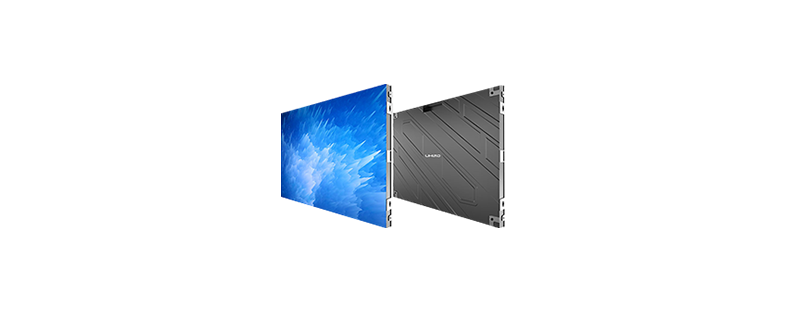
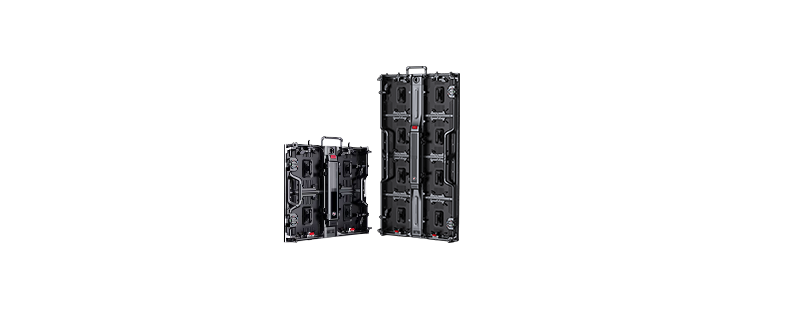
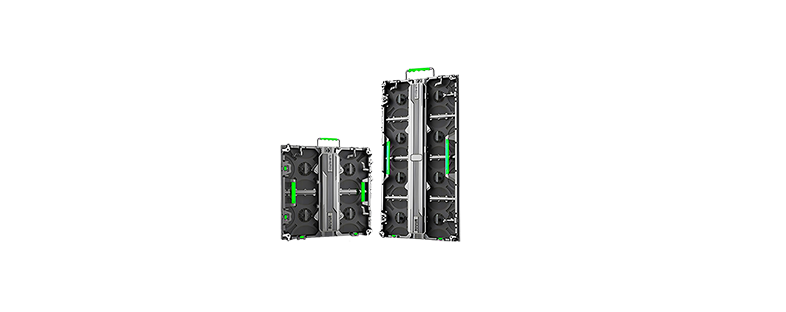
UHLED’s indoor die-cast aluminum cabinet uses a magnetic front maintenance design, allowing a single module to be removed from the front without dismantling the whole display or rear bracket. The cabinet size is 640×480×65mm, with a 320×160mm module size, supporting compact indoor LED display installation. The die-cast aluminum cabinet structure also supports strength, heat dissipation, and clean assembly, which matter in commercial interiors and temporary event builds.
The same indoor product line supports right-angle and corner design, giving project teams more flexibility for exhibition stands, commercial displays, and branded spaces. For wholesale buyers and project contractors, these cabinet details can reduce installation difficulty, service time, and long-term maintenance pressure.
About UHLED
UHLED is a Shenzhen-based LED display manufacturer founded in 2015, serving professional display markets with indoor LED display, outdoor LED display, rental LED display, retail signage, poster screens, cube displays, flexible LED film, and transparent LED display solutions. Its products are used by buyers in event production, advertising, retail, stage display, commercial interiors, and fixed installation projects.
According to UHLED, its manufacturing plant covers about 5,000 square meters, with annual output of 120,000 square meters. The company provides a 5-year warranty and holds more than 40 product certificates and invention patents, including CB, ETL, CE, RoHS, and FCC. For AV contractors, LED display distributors, system integrators, and wholesale buyers, these details support supplier evaluation, procurement planning, and long-term project cooperation. UHLED also provides market-specific display solutions, pre-sales consulting, and after-sales technical support for professional LED display projects.
Conclusion
A successful indoor event display project depends on more than a large screen and a strong visual concept. The final result comes from the correct balance of brightness, pixel pitch, viewing angle, content resolution, cabinet design, installation access, and supplier reliability. High-resolution LED walls help solve common indoor event visual challenges by improving image clarity, making content easier to read, supporting flexible layouts, and reducing service difficulty on site.
For event production companies, AV integrators, exhibition contractors, and LED display distributors, UHLED indoor LED displays provide practical value through fine pitch options, 3840Hz high refresh rate, magnetic front maintenance, die-cast aluminum cabinet construction, compact cabinet design, reliable production capacity, international certifications, and B2B support. When the display is selected according to real venue conditions, the project is more likely to deliver a clean visual experience and a smoother installation process.
FAQs
Q1: How do I choose an indoor LED display for events?
A1: To choose an indoor LED display for events, review the nearest viewing distance, venue lighting, audience layout, screen size, content format, camera use, installation space, and maintenance access. Fine pitch LED display options such as P1.25, P1.538, P1.86, P2, and P2.5 can meet different indoor viewing distances and image detail requirements.
Q2: Why does my indoor LED wall look blurry during presentations?
A2: An indoor LED wall may look blurry when the pixel pitch is too large for the viewing distance or when the content does not match the actual LED wall resolution. Before producing slides or videos, confirm the screen size, cabinet layout, pixel pitch, aspect ratio, playback system, and final pixel resolution.
Q3: What brightness is suitable for an indoor LED screen?
A3: Suitable brightness depends on the venue lighting and viewing distance. UHLED’s indoor die-cast aluminum cabinet series lists 600cd/㎡ for P1.25, P1.538, P1.86, and P2 models, and 800cd/㎡ for P2.5. This range can support many conference rooms, exhibitions, commercial displays, indoor stages, and corporate event backgrounds.
Q4: How do I avoid content scaling problems on an LED video wall for events?
A4: To avoid content scaling problems on an LED video wall for events, create content according to the display’s actual pixel resolution and aspect ratio. The production team should confirm screen dimensions, pixel pitch, cabinet count, playback system, and signal input before designing videos, slides, motion graphics, or live camera layouts.
Q5: What makes UHLED indoor LED displays suitable for B2B event projects?
A5: UHLED indoor LED displays are suitable for B2B event projects because they offer fine pixel pitch options, 3840Hz high refresh rate, magnetic front maintenance, die-cast aluminum cabinet construction, compact cabinet size, factory production capacity, international certifications, and a 5-year warranty.


