








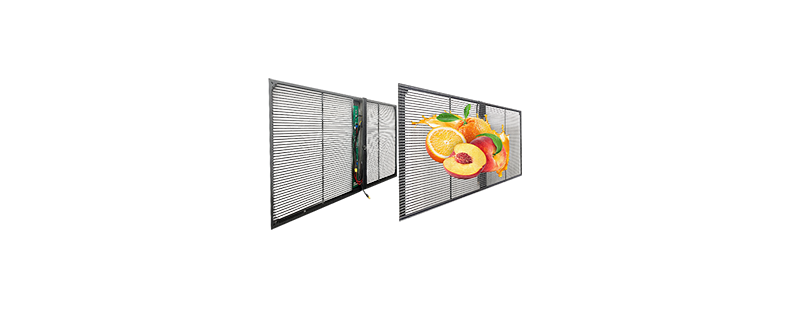


Micro LED vs OLED: Which LED Screen Is Better?
Micro LED is designed for applications that need high luminance, long operating schedules, or a custom display format. OLED is widely available for televisions and personal devices, with self-emissive pixels, a thin panel, and strong dark-room image quality. The right choice depends on the display size, ambient light, content schedule, maintenance plan, and budget.
The terminology matters. True Micro LED, Mini LED backlit LCD, and a conventional direct-view LED screen use different display architectures. A product should be evaluated by its pixel pitch, emitter size, packaging method, brightness, service design, and intended application.
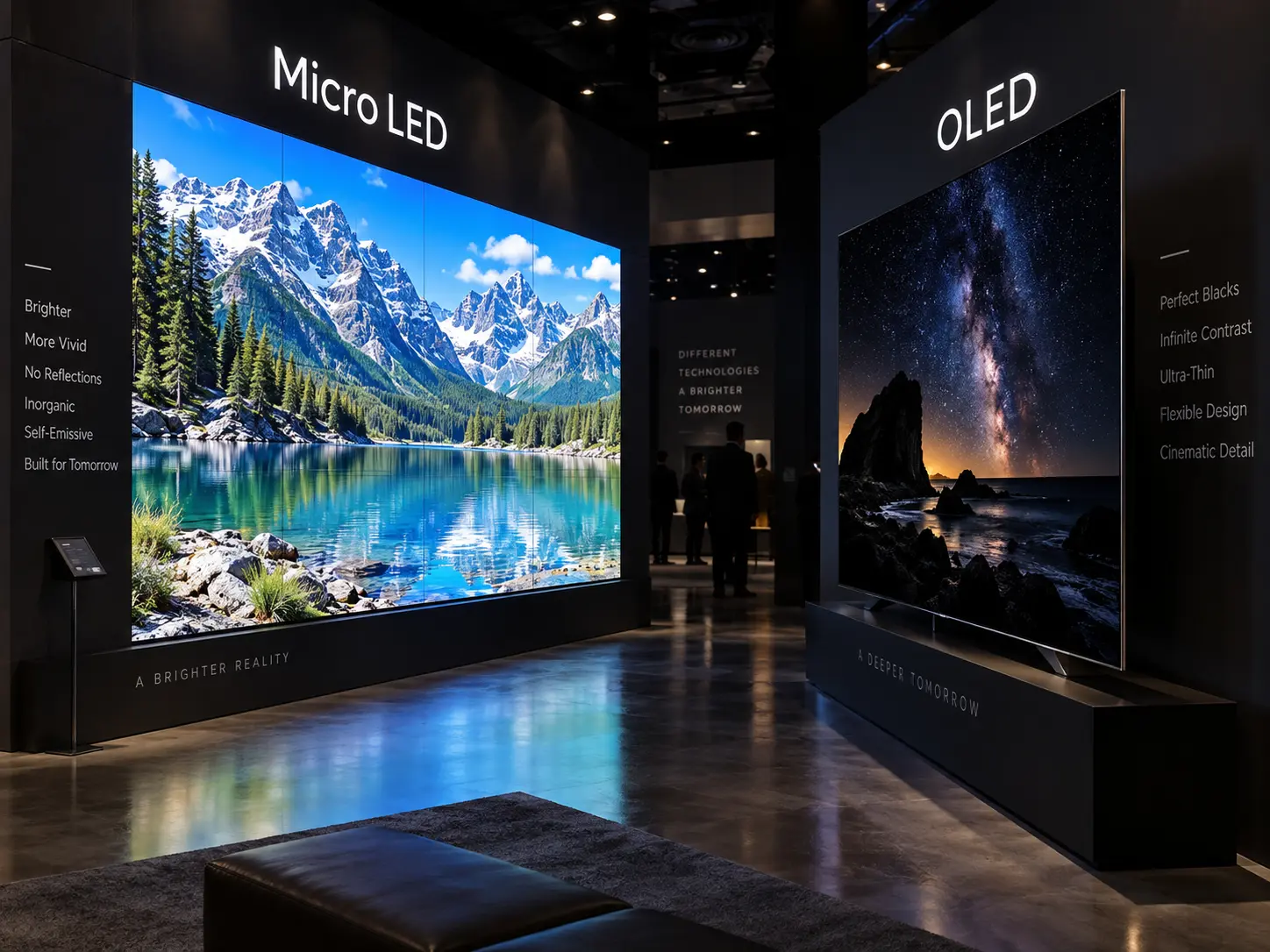
Micro LED Display Technology
A Micro LED display uses microscopic inorganic light-emitting diodes as pixels or subpixels. Each emitter produces its own light, which gives the display pixel-level control without a conventional LCD backlight. Research reviews identify high luminance, long emitter life, fast response, and strong ambient-light performance as important Micro LED characteristics .
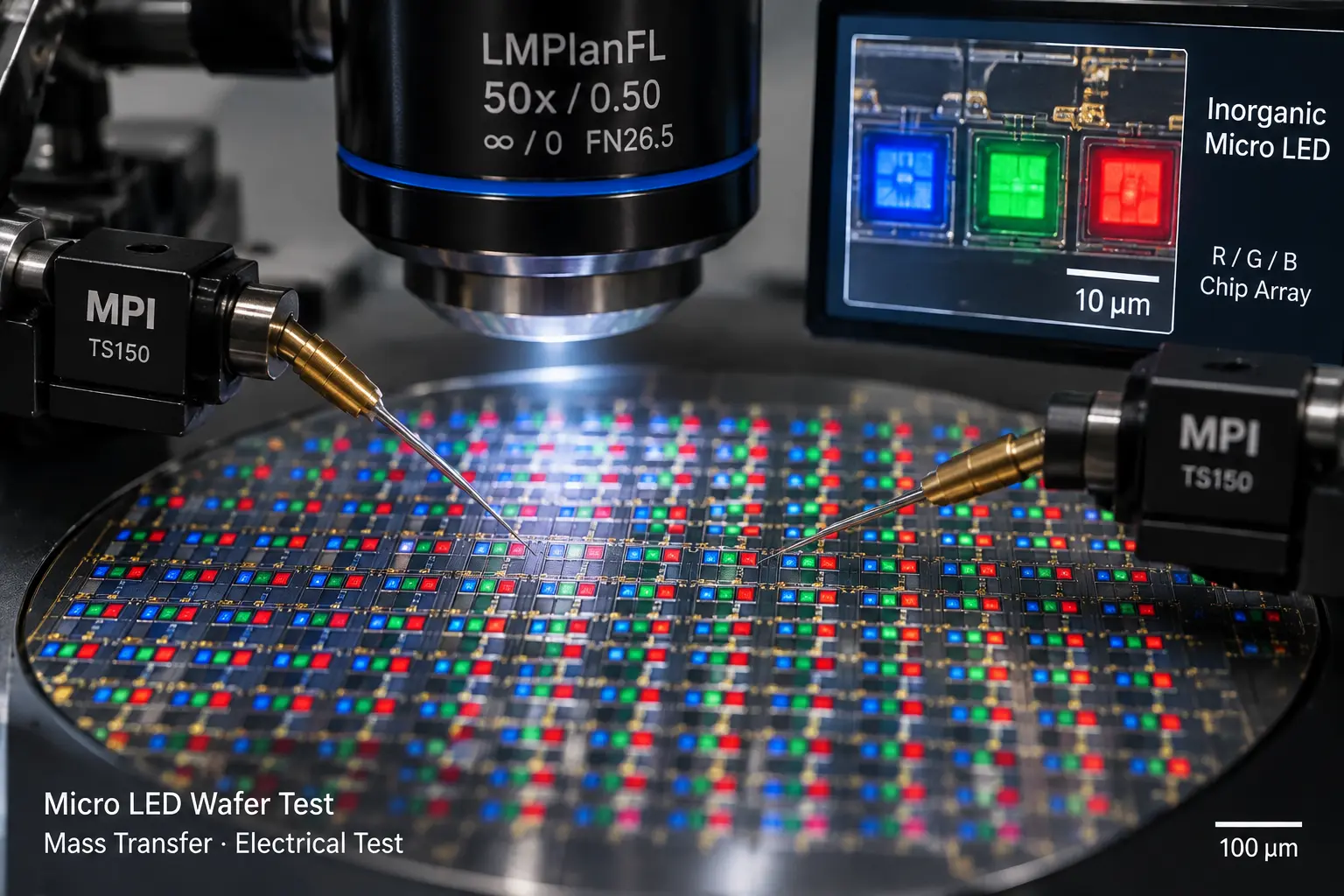
Manufacturing remains difficult. A full-color display may require the transfer, alignment, electrical connection, inspection, and repair of millions of microscopic emitters. Research into mass transfer and self-assembly focuses on improving throughput and yield. These production requirements contribute to limited availability and high project costs.
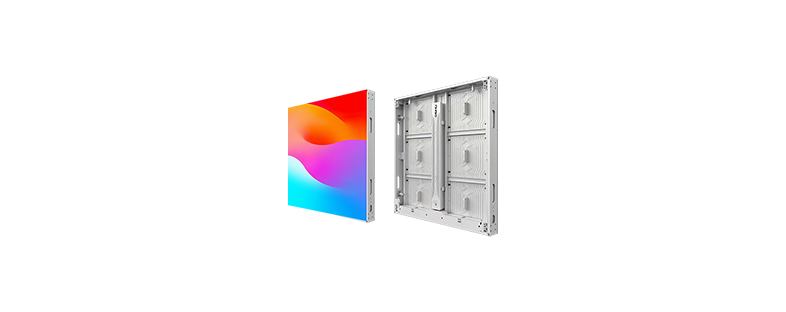
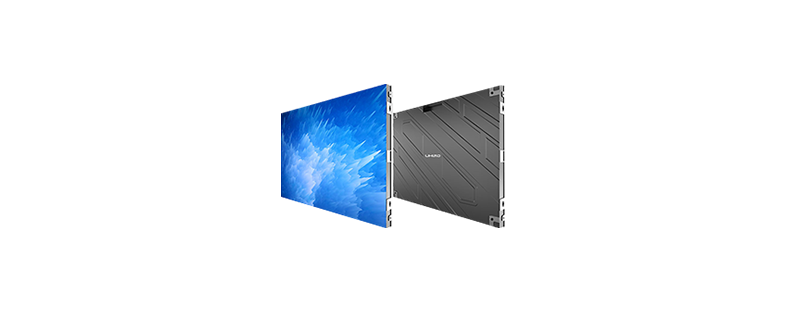
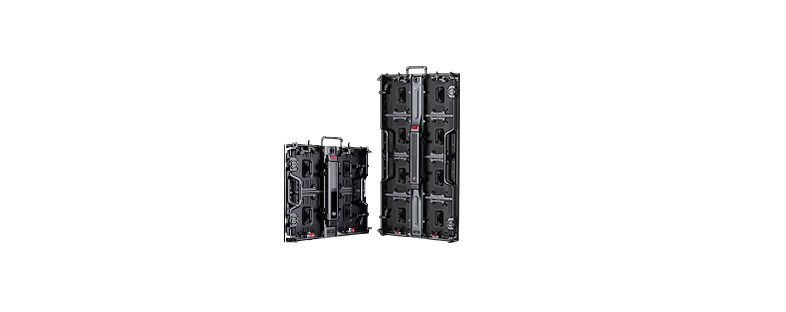
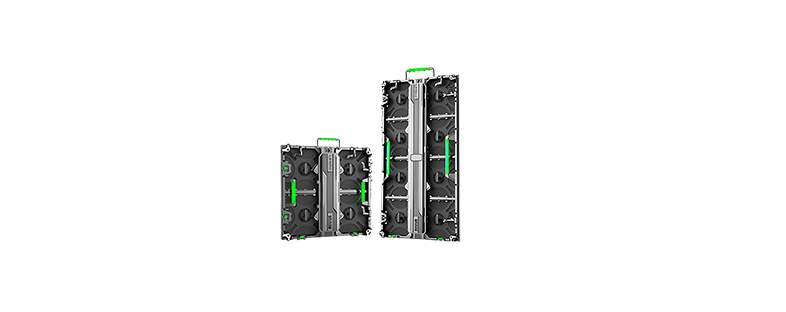
Some commercial Micro LED products use modular construction, but modularity alone does not establish that a display is Micro LED. Fine-pitch LED, Mini LED, chip-on-board packaging, and Micro LED describe different combinations of chip size, packaging, and system architecture. Buyers should request the actual technical specifications behind the product name.
OLED Display Technology
OLED stands for Organic Light-Emitting Diode. An OLED pixel produces light from organic semiconductor materials and can switch off for black image areas. The self-emissive architecture supports thin panels, fast response, wide viewing angles, and strong contrast in controlled lighting .
Organic emitters age as they operate. The rate of aging depends on brightness, temperature, operating time, and displayed content. Repeated bright static elements can produce uneven pixel wear that appears as persistent image retention or burn-in. Protection features such as pixel shifting and panel maintenance cycles can reduce exposure, but their operation and effectiveness vary by product.
OLED is established in televisions, monitors, phones, and other personal devices. Commercial buyers should check the manufacturer’s warranty, approved duty cycle, brightness behavior, and image-retention terms for the exact model under consideration.
Micro LED and OLED Comparison
| Factor | Micro LED | OLED |
|---|---|---|
| Light source | Inorganic self-emissive LED pixels or subpixels | Organic self-emissive pixels |
| Black image areas | Pixels can be driven off; perceived black also depends on reflections and panel construction | Pixels can switch off; perceived black also depends on reflections and room lighting |
| Bright environments | High-luminance designs can support strong ambient-light visibility | Performance depends on model, screen area, thermal control, and brightness limiting |
| Static content | Inorganic emitters generally have lower burn-in risk, though differential aging and calibration drift can still occur | Repeated bright static content increases the risk of uneven wear |
| Display format | Some products use modules to create large or custom formats | Commonly sold as finished panels in defined sizes |
| Service | Service options depend on module, cabinet, and access design | Service normally follows the panel manufacturer’s repair process |
| Market availability | Limited product selection and project-based pricing | Broad consumer availability across televisions and personal devices |
| Typical use | High-luminance, long-duty, custom-format, and premium installations | Televisions, monitors, personal devices, and controlled-light indoor displays |
Brightness and Ambient Light
Brightness requirements should come from the installation environment. A dark home theater needs far less luminance than a shop window, transport hub, stage, or outdoor display. Micro LED research emphasizes high-luminance and sunlight-readable applications. OLED can produce bright highlights, but sustained brightness across a large bright image depends on panel size, thermal design, and the product’s brightness-management system.
Compare measured full-screen brightness, peak brightness, screen reflectance, heat management, and performance over the planned daily schedule. A peak value taken from a small test window does not describe sustained full-screen output.
Contrast and Black Level
Micro LED and OLED are self-emissive technologies. Their pixels can reduce or stop light output in dark image areas. This differs from an LCD architecture, where a liquid-crystal layer modulates light from a backlight.
Room lighting and surface reflections affect the black level that viewers see. Panel construction, calibration, drive electronics, and low-level grayscale performance also shape the result. OLED is well suited to dark-room viewing. A high-luminance Micro LED display can preserve image visibility in stronger ambient light, subject to the product’s surface treatment and calibration.
Color Viewing Angle and Motion
Both technologies can support a wide color gamut, fast pixel response, and broad viewing angles. Performance varies across products. A professional evaluation should cover white-point accuracy, grayscale tracking, color volume at the planned brightness, refresh rate, scan behavior, camera compatibility, and off-axis color shift.
Broadcast and virtual-production projects need additional tests for scan lines, moire, shutter interaction, genlock, and color consistency across modules. These results depend on the complete display system, including processing and calibration.
Lifespan Image Retention and Maintenance
Inorganic Micro LED emitters are associated with high luminance and long operating life [1, 2]. That profile suits applications with extended schedules and recurring interface elements, provided that the product includes adequate thermal management and calibration. Micro LED components still age, and a large display also contains power supplies, receiver cards, controllers, cables, and cooling hardware that may require service.
Module-level repair depends on the product design. Buyers should confirm front or rear access, spare-module supply, pixel repair policy, calibration procedures, response times, and warranty coverage before placing an order.
OLED lifespan depends on how the panel is driven. A home television showing varied content presents a different wear pattern from a menu board displaying the same bright layout throughout the day. Commercial buyers should compare the approved duty cycle and warranty terms with the planned content schedule.
Energy Consumption
Energy use cannot be determined from the technology name alone. Screen size, average picture level, brightness, color mix, thermal design, and drive electronics all affect power demand. OLED pixels use very little emissive power in black image areas, so dark content can reduce consumption. Bright full-screen content increases demand.
Micro LED offers strong efficiency potential at high luminance, while very small emitters can lose efficiency at low current density [1]. Project estimates should use typical and maximum power figures measured at the planned brightness. Include cooling and supporting equipment when calculating electrical load and operating cost.
Size Installation and Design
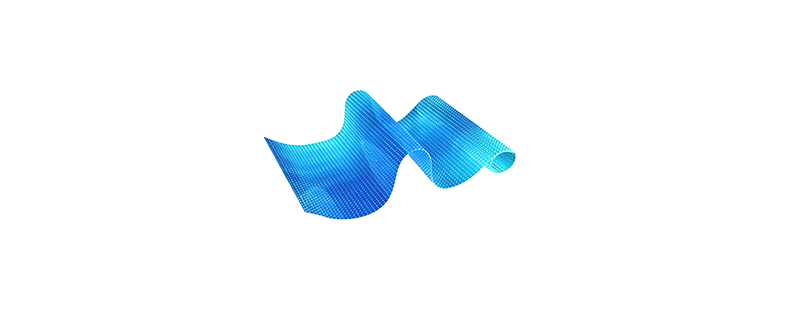
OLED panels suit products that prioritize a thin profile, low weight, curved construction, or flexible form factors. Available sizes and mounting requirements depend on the manufacturer and model.
Modular Micro LED systems can form wall-scale images and custom aspect ratios. Conventional direct-view LED systems provide similar format flexibility across a wider range of pixel pitches and outdoor cabinet designs. The project specification should identify the technology and packaging method clearly.
Pixel pitch should match the closest viewing distance. Structural load, power distribution, ventilation, service access, processor capacity, cable routing, and environmental protection also belong in the installation plan.
Price and Availability
OLED products are widely sold in consumer television and personal-device markets. True Micro LED remains a premium category with a smaller product range. Its manufacturing workflow requires tight control of emitter transfer, bonding, testing, and defect repair .
Public list prices rarely describe a complete large-display project. Compare quotations that cover the display, controller, mounting structure, installation, calibration, spare parts, power work, maintenance, and warranty. Record the market and quote date because product availability and pricing change.
Display Choice for Home Use
OLED fits most home theaters, gaming rooms, and everyday television installations. Buyers can choose from established screen sizes and compare finished products through normal retail channels. Review room brightness, screen reflections, gaming features, warranty coverage, and the household’s viewing pattern.
Micro LED fits a narrow group of premium home projects that require a very large custom display, high luminance, or a modular installation. The project also needs specialist design, installation, calibration, and service support.
Display Choice for Commercial Use
Commercial projects should begin with the operating requirements. Long daily schedules, strong ambient light, large dimensions, replaceable modules, and recurring static content often point toward Micro LED or another direct-view LED architecture. A thin fixed-size OLED panel can suit controlled indoor lighting and a content schedule that limits persistent bright graphics.
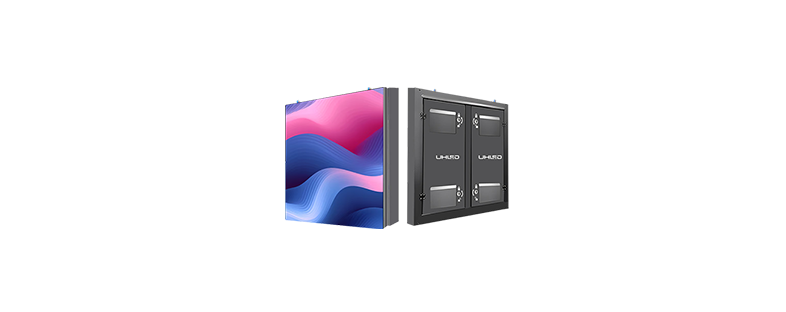
Outdoor projects require suitable brightness, environmental protection, cabinet design, thermal management, and maintenance access. Stadiums, stages, and roadside installations typically use purpose-built outdoor LED displays or rental LED displays. Product specifications should state the ingress-protection rating, operating temperature range, wind-load requirements, and service method.
Selection Checklist
Define the following requirements before requesting quotations:
-
Installation location and indoor or outdoor exposure
-
Screen dimensions and aspect ratio
-
Closest and typical viewing distance
-
Ambient-light conditions and target brightness
-
Daily operating hours and content schedule
-
Static graphics and image-retention risk
-
Camera use and required refresh behavior
-
Power capacity cooling and structural support
-
Front or rear maintenance access
-
Spare parts warranty and technical support
-
Purchase budget and expected operating period
A supplier can recommend a suitable display architecture after these requirements are documented. For project planning, contact UHLED with the installation location, screen dimensions, viewing distance, content type, and operating schedule.
Frequently Asked Questions
Micro LED and Mini LED
Micro LED uses microscopic self-emissive LED pixels or subpixels. Mini LED commonly refers to smaller LEDs used as the backlight for an LCD panel, although some industry usage also applies the term to direct-view products. The product architecture and specifications provide the clearest identification.
Micro LED and Burn In
Inorganic Micro LED emitters generally carry a lower risk of permanent image retention than organic OLED emitters under comparable operating conditions. Differential aging, heat, drive settings, and calibration can still affect uniformity over time.
Micro LED Black Level
Micro LED pixels can stop emitting light in dark image areas. Surface reflections, panel construction, calibration, and room lighting determine the black level perceived by the viewer.
OLED for Digital Signage
OLED can serve controlled indoor signage when the model supports the planned duty cycle and the content schedule manages static bright elements. High ambient light, extended schedules, outdoor exposure, or very large custom dimensions may support selecting a commercial direct-view LED system.
Commercial LED Screen Specifications
Confirm pixel pitch, viewing distance, sustained brightness, refresh behavior, ingress protection, power demand, maintenance access, spare parts, warranty terms, and technical support. Evaluate these specifications against the actual installation and operating schedule.


