
-
OUTDOOR LED DISPLAY
OUTDOOR LED DISPLAY
-
INDOOR LED DISPLAY
INDOOR LED DISPLAY
-
RENTAL LED DISPLAY
RENTAL LED DISPLAY
-
SHELF LED DISPLAY
SHELF LED DISPLAY
-
POSTER LED DISPLAY
POSTER LED DISPLAY
-
CUBE LED DISPLAY
CUBE LED DISPLAY
-
FLEXIBLE LED FILM
FLEXIBLE LED FILM
- TRANSPARENT LED DISPLAY






Ultra-Thin Flexible LED Film Screen | Zero-Footprint Commercial Display
Small spaces are not easy places for digital advertising. A boutique window may be only a few meters wide. An elevator wall may already carry buttons, mirrors, signs, and safety notices. A narrow retail aisle has traffic every few seconds, and no one wants a bulky screen sticking out. This is where Flexible LED Film starts to make sense. It uses glass and slim surfaces that already exist, so you can show moving content without giving up valuable space.
For many store owners, the real question is not “Do you need digital signage?” It is “Where can it fit?” Flexible LED Film Screens answer that concern with a lighter, thinner, and cleaner format. They bring visual marketing into tight places where a normal LED advertising screen may feel too heavy.
Why Do Tight Commercial Spaces Need a New Display Method?
In compact shops, elevators, reception corners, and glass corridors, every inch has a job. The display should attract attention, but it should not block products, walkways, light, or customer movement. That sounds simple, but real stores are messy. There are shelves, cables, posters from last month, and sometimes a plant in the wrong corner.
Traditional Screens Often Need Too Much Depth
A standard LED screen usually needs a cabinet, bracket, frame, and maintenance gap. In a big mall, that is fine. In a 20-square-meter shop, it can feel like too much. The display may cover a window or take a wall that should hold products.
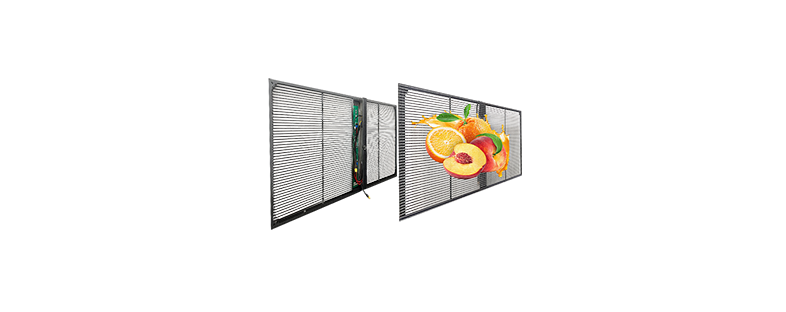
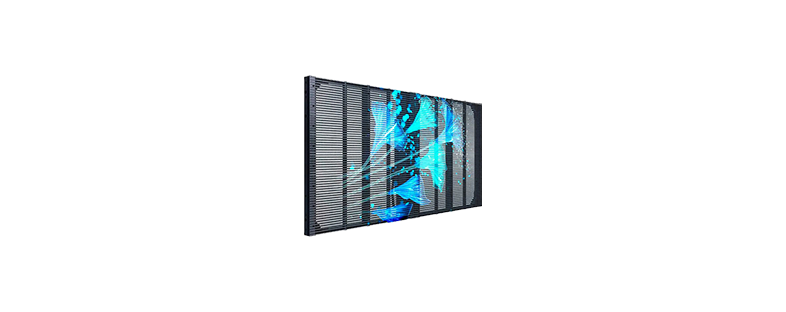
Flexible LED Film Screens work differently. They can turn existing glass into a digital display area. UHLED’s product information shows Flexible LED Film options that can be directly pasted on glass and described as super transparent. That makes the product useful for shop window LED display projects where the view behind the glass still matters.
Printed Posters Cannot Keep Up
Printed posters are thin, but they are slow. If your promotion changes from lunch sets to afternoon drinks, you need a new poster. If a fashion store changes a discount every weekend, printing becomes a small but annoying routine. A digital signage solution lets you update content faster. In a tight space, though, the screen must also stay out of the way.
How Do Flexible LED Film Screens Create Zero-Footprint Visual Marketing?
A zero-footprint display does not mean there is no equipment at all. It means the screen does not take useful floor space or create a bulky visual block. The best installations feel like the screen belongs there, almost like the glass learned to move.
Ultra-Thin Design Reduces Visual Pressure
UHLED lists a Flexible LED Film product with an ultra-thin 2mm thickness, and the film can be flexible and rollable. That small detail matters in compact environments. A screen that is only a few millimeters thick can sit much closer to the surface. It looks cleaner. It also avoids the awkward “box on the wall” feeling.
This is why an ultra-thin LED display is useful for small retail store display projects, elevator advertising display areas, and narrow indoor LED display scenes. You get motion, brightness, and digital content, while the physical screen stays quiet.
Transparency Helps Keep the Space Open
A transparent LED film can show ads while keeping the glass feeling lighter. In a storefront, that means customers can still sense the products and the room inside. In an elevator lobby, it means the display does not turn the wall into a heavy visual block. Not every piece of content works well here. Large text, short clips, and strong contrast usually perform better than busy videos.
Where Can Small Stores Use Flexible LED Film?
Small stores need practical display points, not complicated engineering. You may not have a spare wall, but you probably have a window, a glass door, or a slim partition. These are the places where Flexible LED Film Screens can turn unused surfaces into media.
Storefront Windows
A window LED display can show new arrivals, limited offers, daily specials, or a short brand message. The screen does not need to sit on the floor, and it does not take shelf space. A bakery can show fresh bread in the morning. A beauty shop can run a short product loop. A phone accessory store can show price drops near the entrance. Simple content often wins.
Glass Partitions and Counter Areas
Some stores have glass dividers near the cashier or fitting area. These spots often do nothing except separate space. With adhesive LED film, they can become small digital signage areas. The content should stay short because viewers are close. A clear price, product image, and one sentence are usually enough.
Why Are Elevator Areas a Good Fit?
Elevators have a strange advantage. People are waiting, standing still, and looking around. But the space is narrow, so the display must be polite. A thick screen can feel intrusive. A glass LED screen or transparent LED display can feel much more natural.
Close Viewing Needs a Clean Installation
In elevator advertising display projects, people may stand less than one meter from the screen. This means the product body, wiring path, and content layout all matter. A lightweight LED display can reduce the heavy look of the installation. Short messages work best: building notices, retail coupons, restaurant promotions, or wayfinding content.
A Compact Installation Example
In a tight commercial scene, the common problem is placement. A freestanding screen may block traffic. A cabinet display may be too deep. A printed poster may look flat. A Flexible LED Film display can be applied to an existing glass surface, turning that surface into a moving media point. The area keeps its original use, but now it also carries advertising. It is a small change, but in real stores, small changes often pay rent.
What Should You Check Before Choosing a Flexible LED Film Display?
A space-saving display solution still needs careful planning. Thin products are not an excuse for casual installation. The surface, brightness, control system, and service access all affect the final result.
Match the Product to the Surface
Check whether the surface is glass, acrylic, flat wall, or curved structure. Flexible and rollable film helps with more creative shapes, but every project still needs a proper fit. Also consider viewing distance. For close viewing, content should be clean and not too crowded.
Consider Supplier Experience
UHLED was founded in 2015 in Shenzhen, Guangdong. Its company information lists a manufacturing plant of about 5,000 square meters, annual output of 120,000 square meters, a 5-year warranty, and 40+ product certificates and invention patents. Its product range covers indoor and outdoor LED display, rental display, shelf display, poster display, transparent display, irregular display, and Flexible LED Film. For buyers, this matters because compact projects often need product knowledge plus practical installation advice, not just a screen shipped in a box.
How Do Flexible LED Film Screens Make Every Inch Work Harder?
Flexible LED Film Screens help you treat glass, windows, and slim surfaces as active marketing space. You can keep the room open while adding motion content. You can run promotions without printing new posters. You can bring a modern visual layer into small shops, elevator lobbies, retail counters, and narrow corridors.
The main value is simple: a space-saving display solution should bring attention without creating clutter. Flexible LED Film does that well because it is thin, light, and built for surfaces that traditional screens often cannot use. When space is limited, the best screen is sometimes the one that almost disappears before the content starts moving.
FAQ
Q1: What Is Flexible LED Film?
A: Flexible LED Film is a thin LED display film that can be used on glass and other suitable surfaces. It is often chosen for transparent LED film, window LED display, and compact digital signage projects.
Q2: Are Flexible LED Film Screens Suitable for Small Retail Stores?
A: Yes. Flexible LED Film Screens help small stores use windows, glass doors, or partitions for advertising without taking up floor space or shelf space.
Q3: Can Flexible LED Film Be Used for Elevator Advertising Displays?
A: Yes, if the surface, brightness, viewing distance, and wiring plan fit the project. Its thin body makes it suitable for elevator entrances and compact indoor areas.
Q4: Why Is Ultra-Thin LED Display Design Important?
A: Ultra-thin design helps the screen stay close to the surface. In small spaces, this reduces clutter and makes the display look more integrated.
Q5: What Content Works Best on Flexible LED Film Screens?
A: Short videos, product images, price messages, QR codes, and simple motion graphics work well. In tight spaces, people look quickly, so the message should be clear and direct.


